21700 Battery Cell For Golf Cart | CNS BATTERY
Technical Deep-Dive into High-Performance Cylindrical Cells for Electric Golf Cart Applications
The transition from lead-acid to lithium-ion power systems in golf carts has accelerated dramatically in 2025-2026, with the 21700 battery cell emerging as the optimal form factor for this application. As golf course operators and fleet managers demand longer runtime, faster charging, and reduced total cost of ownership, CNS BATTERY’s 21700 cylindrical cells deliver engineered solutions that meet stringent international compliance requirements while maximizing performance per watt-hour.
Why 21700 Cells Outperform Traditional Formats in Golf Cart Applications
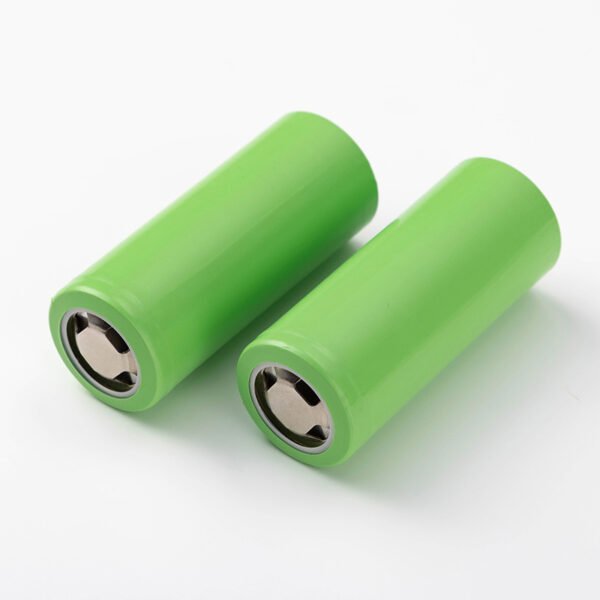
The 21700 cylindrical cell (21mm diameter × 70mm height) represents a strategic evolution from the legacy 18650 format, offering approximately 35% higher energy density per cell while reducing pack complexity by nearly 30%. For golf cart manufacturers and system integrators, this translates to tangible operational advantages:
Key Parameter Advantages:
| Specification | 21700 Cell | 18650 Cell | Performance Gain |
|---|---|---|---|
| Typical Capacity | 4000-5000mAh | 2500-3500mAh | +40% |
| Energy Density | 280-300 Wh/kg | 200-240 Wh/kg | +35% |
| Continuous Discharge | 5C-8C | 3C-5C | +60% |
| Cycle Life | 2000-3000 cycles | 1000-1500 cycles | +100% |
For golf cart applications requiring 48V-72V systems, the 21700 format reduces the total cell count per pack while maintaining equivalent or superior capacity. This reduction directly impacts BMS complexity, thermal management requirements, and overall system reliability—critical factors for commercial fleet operations where downtime equals revenue loss.
Technical Validation: Testing Protocols for Golf Cart Battery Systems
Professional procurement teams and engineering departments must validate battery cells against application-specific stress profiles. CNS BATTERY implements comprehensive testing methodologies aligned with international standards:
1. Capacity & Discharge Testing (IEC 62619)
- Standard capacity measurement at 0.5C discharge rate to 2.5V cutoff
- High-rate discharge validation at 3C-5C continuous loads simulating hill-climbing scenarios
- Pulse discharge testing for acceleration peak current demands
2. Cycle Life Validation
- 2000+ full depth-of-discharge cycles at 25°C ambient
- Elevated temperature cycling (45°C) to accelerate aging analysis
- Capacity retention tracking with <20% degradation threshold at end-of-life
3. Safety & Compliance Certification
- UN 38.3 transportation safety testing
- UL 1642 cell-level safety certification
- IEC 62619 industrial battery system compliance
- CE marking for European market access
These testing protocols ensure that 21700 cells deployed in golf cart applications maintain performance integrity across varying operational conditions—from humid coastal courses to high-altitude mountain resorts.
Regional Compliance Architecture: EU & US Market Access 2026
The regulatory landscape for lithium battery imports has intensified significantly in 2026. CNS BATTERY’s manufacturing infrastructure addresses these compliance requirements through proactive certification strategies:
European Union Compliance (EU Battery Regulation 2026)
The EU’s new battery regulation enters substantive enforcement in 2026, establishing the world’s most stringent market access barriers. Key requirements include:
- Battery Passport: Digital traceability system (QR-code based) containing chemical composition, manufacturing data, and carbon footprint information—mandatory for industrial batteries exceeding 2kWh capacity
- Carbon Footprint Declaration: Lifecycle emissions documentation from raw material extraction through end-of-life recycling
- Recycled Content Requirements: Minimum thresholds for cobalt, lithium, and nickel recovery integration
CNS BATTERY’s production facilities maintain full documentation chains compatible with EU Battery Passport requirements, enabling seamless market entry for golf cart OEMs exporting to European destinations.
United States Compliance Framework
US market access requires adherence to multiple overlapping standards:
- UL 1642: Cell-level safety certification mandatory for commercial distribution
- UL 2580: Battery pack system certification for electric vehicle applications
- DOT/UN 38.3: Transportation safety requirements for domestic and international shipping
- State-Level Regulations: California Title 20 and similar efficiency mandates affecting battery system specifications
CNS BATTERY maintains active certifications across all required US standards, with test reports available for technical procurement review.
Strategic Sourcing Considerations for Golf Cart OEMs
When evaluating 21700 cell suppliers for golf cart production, technical procurement teams should prioritize manufacturers demonstrating:
- Vertical Integration Control: In-house cell manufacturing versus trading company intermediaries
- Certification Portfolio: Active, current certifications rather than expired documentation
- Technical Support Capability: Engineering teams capable of custom pack design consultation
- Supply Chain Transparency: Traceable raw material sourcing aligned with ESG requirements
CNS BATTERY operates as a direct cylindrical battery cell manufacturer with comprehensive quality management systems. Our product portfolio includes specialized 21700 variants optimized for light electric vehicle applications, including golf carts, low-speed vehicles, and utility carts.
For technical specifications, certification documentation, or custom pack development consultation, visit our cylindrical battery cell product page or connect with our engineering team through our contact portal. Additional manufacturing capability details are available at battery manufacturers in China.
Conclusion: Performance Meets Compliance in 2026 Market Conditions
The 21700 battery cell has matured from emerging technology to industry standard for golf cart electrification. However, technical specifications alone no longer guarantee market success. The 2026 regulatory environment demands that battery suppliers demonstrate comprehensive compliance across multiple jurisdictions while maintaining competitive pricing and reliable supply chains.
CNS BATTERY’s 21700 cylindrical cells deliver this balanced value proposition: high energy density and extended cycle life for operational efficiency, combined with full EU and US certification coverage for unrestricted market access. For golf cart manufacturers scaling production in 2026 and beyond, this dual capability represents the minimum threshold for supplier qualification.
Technical procurement teams evaluating 21700 cell suppliers should request current certification documentation, cycle life test reports, and Battery Passport readiness statements before finalizing supply agreements.