Factory Audit IATF16949 18650 LFP Cells for E-bike – Solve Today
In the rapidly evolving landscape of electric mobility, the demand for reliable energy storage solutions has never been more critical. For e-bike manufacturers, the choice of battery cells is not merely a procurement decision; it is a strategic determinant of product safety, longevity, and brand reputation. As we navigate through 2026, the industry standard for quality assurance has solidified around IATF16949, particularly for high-performance 18650 LFP cells. This article addresses the core challenges of factory auditing and provides a definitive guide to securing compliant, high-quality battery solutions today.
The Imperative of IATF16949 Certification
The IATF16949 standard is not simply a certificate on a wall; it is a rigorous quality management system (QMS) specifically designed for the automotive sector. Unlike general ISO9001 certification, IATF16949 emphasizes defect prevention, reduction of variation, and waste minimization throughout the supply chain. For e-bike manufacturers, sourcing cells from an IATF16949-certified facility ensures that the production processes meet the stringent safety and consistency requirements originally intended for passenger vehicles.
Recent updates to the IATF guidelines in 2025 and 2026 have further tightened compliance, focusing heavily on embedded software safety, traceability, and risk management. When auditing a factory, the presence of this certification is the first indicator of a mature manufacturing environment. It signifies that the supplier has established protocols for handling non-conformities, managing change, and ensuring continuous improvement. For B2B clients, this reduces the risk of costly recalls and enhances the overall reliability of the e-bike fleet.
Technical Advantages of 18650 LFP Chemistry
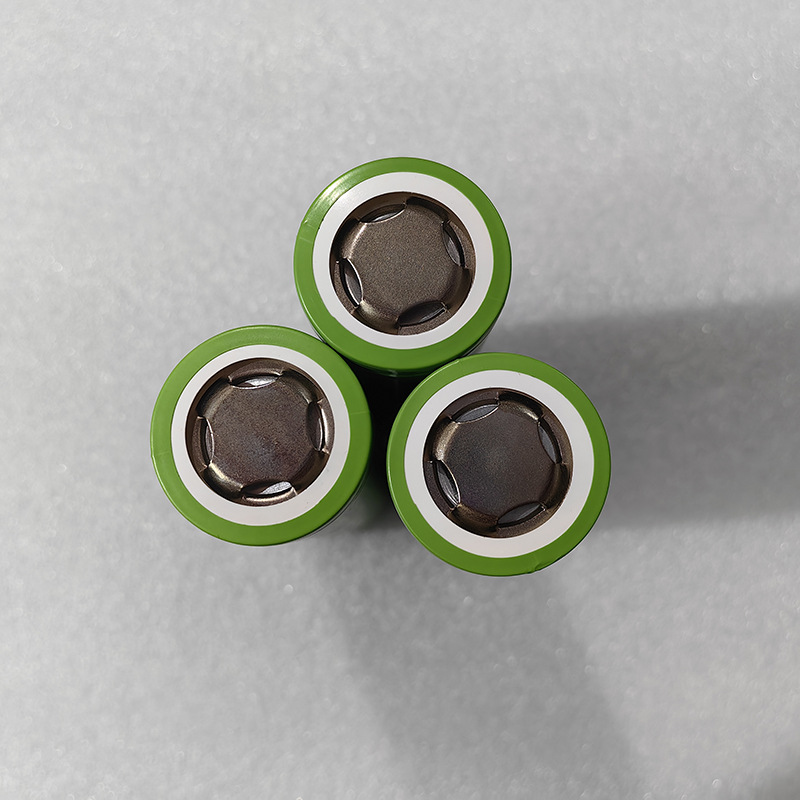
While the quality management system governs how the battery is made, the chemistry defines what the battery is. 18650 LFP (Lithium Iron Phosphate) cells have emerged as the preferred choice for e-bikes over traditional NCM (Nickel Cobalt Manganese) variants, primarily due to their superior thermal stability and cycle life.
- Safety First: LFP chemistry is inherently more stable than NCM. The strong phosphorus-oxygen bond in the cathode material makes it highly resistant to thermal runaway, a critical factor for e-bikes that may be charged in varied environments or subjected to physical stress.
- Extended Cycle Life: A high-quality 18650 LFP cell can typically endure over 2,000 full charge-discharge cycles while retaining significant capacity. This longevity translates directly to a lower total cost of ownership for the end-user and fewer warranty claims for the manufacturer.
- Consistent Performance: The flat discharge curve of LFP cells ensures consistent power delivery throughout the ride, providing a predictable user experience.
To explore our range of certified high-performance cells, visit our Cylindrical Battery Cell product page.
Core Elements of a Successful Factory Audit
Conducting a factory audit is the most effective way to verify claims and ensure supply chain integrity. For 18650 LFP cells, a professional audit should focus on three critical pillars: Process Control, Testing Capabilities, and Traceability.
1. Process Control and Automation
A compliant factory minimizes human intervention in critical stages. Look for automated coating, winding, and assembly lines. Consistency in electrode coating thickness and winding tension is vital for cell performance. The audit should verify that process parameters are continuously monitored and that any deviations trigger immediate alerts.
2. Comprehensive Testing Protocols
Quality is not just inspected; it is built in. However, robust testing validates the build. An IATF16949 compliant facility must have in-house capabilities for:
- Electrical Testing: Capacity, internal resistance, and OCV (Open Circuit Voltage) checks.
- Safety Testing: Nail penetration, overcharge, short circuit, and thermal shock tests.
- Environmental Testing: Vibration, humidity, and temperature cycling.
Ensure that the factory performs 100% online testing for critical safety parameters before cells leave the production line.
3. End-to-End Traceability
In the event of a field failure, traceability is paramount. Each cell should have a unique QR code or laser marking that links back to the raw material batch, production line, operator, and testing data. This level of granularity is a mandatory requirement of IATF16949 and is essential for effective root cause analysis.
Partnering with Reliable Manufacturers in China
China remains the global hub for lithium battery manufacturing, hosting some of the most advanced production facilities in the world. However, the market is fragmented. Identifying partners who genuinely adhere to international standards requires due diligence. Working with established Battery Manufacturers in China who prioritize transparency and compliance is crucial for long-term success.
A reliable partner will not only provide certificates but will also welcome onsite audits and share real-time data. They understand that in the e-bike sector, the battery is the heart of the vehicle, and its failure is not an option.
Conclusion: Solve Your Supply Chain Challenges Today
The integration of IATF16949 standards with 18650 LFP technology represents the gold standard for e-bike battery procurement. It solves the perennial challenges of safety, consistency, and longevity. By focusing on certified factories and conducting thorough audits, manufacturers can mitigate risk and deliver superior products to their customers.
Do not compromise on quality. Ensure your supply chain is robust, compliant, and ready for the demands of the modern market. For detailed inquiries regarding our audit-ready facilities and cell specifications, please reach out to us via our Contact Page. Let us collaborate to power the future of electric mobility with confidence and precision.