High Cycle Life 32700 LFP – 5000 Cycles Tested
In the evolving landscape of industrial energy storage and electric mobility, the demand for battery solutions that balance longevity, safety, and cost-efficiency has never been more critical. For engineers and technical purchasers specifying cells for stationary storage systems (ESS) or heavy-duty electric vehicles, the cycle life of the battery is often the primary determinant of Total Cost of Ownership (TCO). The 32700 Lithium Iron Phosphate (LFP) cylindrical cell has emerged as a robust candidate in this sector, particularly when validated through rigorous testing protocols confirming 5000 cycles of operational life. This article dissect the technical merits of this specific form factor and chemistry, providing a clear rationale for its integration into high-reliability applications.
The 32700 Form Factor: Mechanical and Thermal Advantages
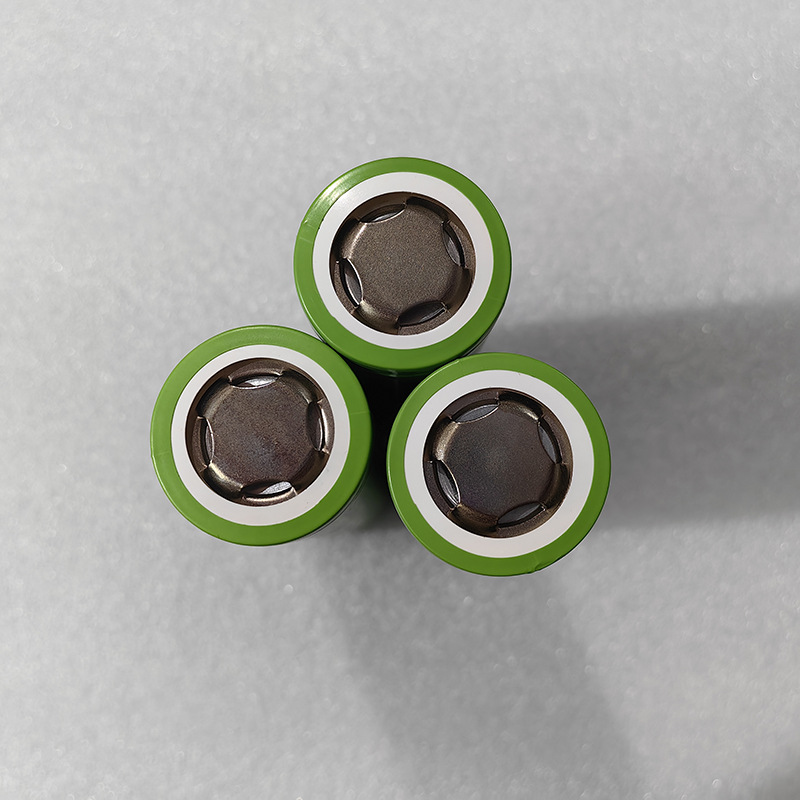
The designation “32700” refers to the physical dimensions of the cylindrical cell: approximately 32mm in diameter and 70mm in length. Compared to the ubiquitous 18650 or 21700 cells, the 32700 offers a larger active material volume, resulting in higher capacity per cell—typically ranging between 6000mAh to 6500mAh at a nominal voltage of 3.2V.
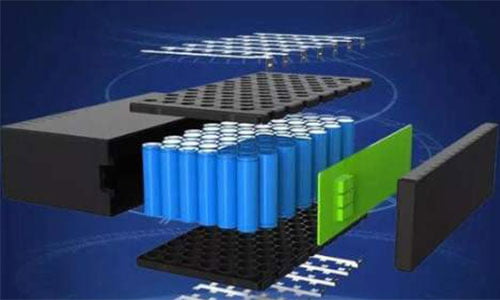
From a mechanical engineering perspective, the cylindrical steel casing provides superior structural integrity compared to pouch cells. This robustness is vital in applications subject to vibration or mechanical stress, such as electric two-wheelers or off-grid energy storage units deployed in remote locations. Furthermore, the cylindrical shape facilitates efficient thermal management. When packed into modules, the gaps between cylinders allow for better air or liquid cooling circulation, mitigating hot spots that can degrade battery health over time. For detailed specifications on available cylindrical configurations, technical teams can review the full catalog at Cylindrical Battery Cell.
LFP Chemistry: Intrinsic Safety and Stability
At the core of this longevity claim is the Lithium Iron Phosphate (LFP) chemistry. Unlike Nickel Cobalt Manganese (NCM) variants, LFP cathodes feature a strong phosphorus-oxygen bond. This bond structure significantly enhances thermal stability, raising the threshold for thermal runaway. In practical terms, this means the battery can withstand higher operating temperatures and abusive conditions without catastrophic failure, a non-negotiable requirement for commercial and industrial deployments.
The voltage profile of LFP is also distinct, with a flat discharge curve around 3.2V. While this requires precise Battery Management Systems (BMS) for accurate State of Charge (SOC) estimation, it ensures consistent power delivery throughout the discharge cycle. The chemical stability of LFP is the foundational reason why these cells can achieve cycle counts that exceed those of other lithium-ion chemistries.
Decoding the 5000 Cycle Claim
When a datasheet specifies “5000 Cycles Tested,” it is imperative to understand the testing conditions behind this metric. In professional cell validation, cycle life is typically defined as the number of charge-discharge cycles a cell can endure before its capacity degrades to 80% of its initial rated capacity (End of Life or EOL).
Achieving 5000 cycles usually implies the following testing parameters:
- Depth of Discharge (DOD): Testing is often conducted at 80% to 100% DOD. Shallow cycling can extend life further, but 5000 cycles at high DOD demonstrates robust electrode integrity.
- C-Rate: Standard testing often utilizes 0.5C to 1C charge and discharge rates. High-cycle cells must maintain structural cohesion in the graphite anode and LFP cathode despite repeated lithium-ion intercalation.
- Temperature: Validated performance at ambient temperatures (25°C) is standard, but high-quality cells maintain integrity even when operating in wider ranges (0°C to 45°C).
For system integrators, a 5000-cycle life translates to over 13 years of service if the battery is cycled once per day. This drastically reduces the frequency of replacements, lowering long-term operational costs and maintenance downtime.
Sourcing from Reliable Manufacturers
The consistency of cycle life performance is heavily dependent on manufacturing quality control. Variations in electrolyte formulation, coating uniformity, and moisture control during cell assembly can significantly impact longevity. When procuring 32700 LFP cells, it is essential to partner with established manufacturers who adhere to international safety standards such as UL, CE, and UN38.3.
China has become a central hub for advanced lithium battery production, hosting facilities with automated production lines capable of maintaining the precision required for high-cycle cells. However, due diligence is required to verify production capabilities and quality assurance protocols. Partnerships should be formed with entities that provide transparent data and have a proven track record in the industry. For organizations seeking verified supply chain partners, further information on vetted production facilities can be found at Battery Manufacturers in China.
Application Scenarios and Integration
The high-cycle 32700 LFP cell is particularly well-suited for:
- Residential and Commercial ESS: Where daily cycling is expected over a decade-long lifespan.
- Electric Mobility: Specifically for light electric vehicles (LEVs) and golf carts where safety and cycle life outweigh the need for maximum energy density.
- Backup Power Systems: Providing reliable energy retention over long calendar lives with minimal degradation.
Conclusion
The transition to sustainable energy infrastructure relies on components that deliver predictable performance over extended periods. The 32700 LFP cell, validated for 5000 cycles, represents a mature technology solution that addresses the critical triad of safety, longevity, and cost. By understanding the technical underpinnings of the form factor and chemistry, engineers can make informed decisions that optimize system reliability.
For technical inquiries, custom pack integration, or requests for detailed test reports regarding these high-cycle cells, please reach out to our engineering support team. We are committed to facilitating seamless integration for your next project. Visit our Contact Page to initiate a discussion with our specialists.