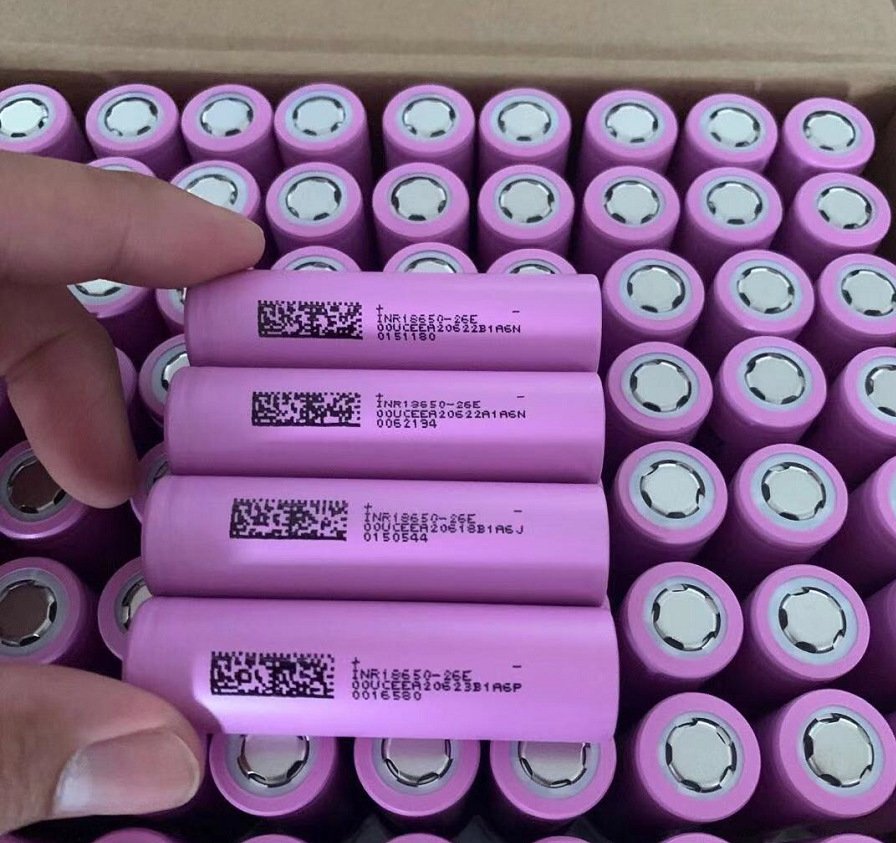
CE Approved 18650 Battery For EU E-Bike: Technical Compliance Guide for European Market
The European e-bike market continues its exponential growth trajectory in 2026, with stringent regulatory frameworks shaping battery procurement decisions. For engineers and technical purchasers sourcing CE approved 18650 batteries for EU e-bike applications, understanding compliance requirements transcends mere regulatory checkbox—it represents fundamental product safety, market access, and liability protection. This technical analysis examines the critical specifications, certification pathways, and manufacturing considerations essential for successful European market deployment.
Understanding EU Battery Regulation Framework (EU) 2023/1542
The implementation of EU Battery Regulation 2023/1542 marks a paradigm shift in battery compliance requirements. Effective from August 2025, this regulation replaces the previous Battery Directive, introducing comprehensive lifecycle management obligations. For 18650 cylindrical cells destined for e-bike applications, manufacturers must demonstrate conformity across multiple dimensions:
Chemical Restrictions: Heavy metal content must remain within strict thresholds—mercury ≤0.0005%, cadmium ≤0.002% for portable batteries, and lead ≤0.01%. These limitations require sophisticated supply chain traceability and raw material verification protocols.
Safety Standards Compliance: The EN 50604-1 standard specifically addresses lithium battery systems for light electric vehicles (LEV), including e-bikes. This complements the general EN 62133-2 standard for secondary lithium cells, covering electrical, mechanical, and environmental safety testing parameters.
Technical Specifications for E-Bike 18650 Cells
When evaluating 18650 batteries for European e-bike applications, technical purchasers should verify these critical parameters:
Capacity and Energy Density: Quality 18650 cells for e-bike packs typically deliver 2900-3500mAh capacity with energy density exceeding 250Wh/kg. Higher capacity cells reduce pack complexity while maintaining range requirements.
Discharge Rate (C-Rating): E-bike applications demand sustained discharge capabilities of 3C-5C continuous, with peak bursts up to 10C for acceleration phases. Cell chemistry selection (NMC vs. LFP) directly impacts discharge performance and thermal characteristics.
Cycle Life Expectations: Premium 18650 cells should guarantee minimum 800-1000 full cycles at 80% capacity retention under standard test conditions (25°C, 0.5C charge/discharge). This translates to approximately 3-5 years of typical e-bike usage.
Thermal Management: Operating temperature ranges must span -20°C to 60°C, with built-in protection mechanisms preventing thermal runaway. The updated EN 62133:2017 standard increased external short-circuit test temperature from 20±5°C to 55±5°C, reflecting more rigorous safety expectations.
CE Certification Testing Requirements
Achieving CE marking for 18650 batteries requires comprehensive testing across multiple directives:
Low Voltage Directive (LVD 2014/35/EU): Validates electrical safety through overcharge, over-discharge, short-circuit, and temperature cycling tests. Third-party notified body assessment ensures objective compliance verification.
Electromagnetic Compatibility (EMC 2014/30/EU): Confirms battery management systems don’t generate excessive electromagnetic interference while maintaining immunity to external electromagnetic fields. Testing follows EN 55032 emission standards and EN 55024 immunity requirements.
EN 15194 E-Bike Standard: Specifically addresses complete e-bike systems, including battery integration requirements. This standard covers voltage limitations (maximum 60V DC), power restrictions (250W continuous), and speed cutoffs (25km/h assistance limit).
Manufacturing Quality and Supply Chain Considerations
Selecting appropriate battery manufacturers requires thorough due diligence beyond certification documentation. Reputable battery manufacturers in China maintain ISO 9001 quality management systems, ISO 14001 environmental management certification, and IATF 16949 automotive quality standards where applicable.
Production Traceability: Each 18650 cell should carry unique identification codes enabling complete manufacturing history tracking—from raw material sourcing through final testing. This traceability becomes crucial for potential recall scenarios and warranty claims.
Quality Control Protocols: Comprehensive testing should include 100% cell voltage screening, internal resistance measurement, capacity verification, and statistical process control monitoring. Automated optical inspection systems detect physical defects before packaging.
For detailed product specifications and technical documentation, engineers can review available cylindrical battery cell options that meet European compliance requirements.
Documentation and Technical File Requirements
CE compliance demands comprehensive technical documentation maintained for 10 years post-market placement:
- Declaration of Conformity: Signed document identifying applicable directives and harmonized standards
- Technical Construction File: Detailed design specifications, risk assessments, and test reports
- Battery Passport Information: Under EU 2023/1542, digital battery passports become mandatory, containing carbon footprint data, recycled content percentages, and end-of-life handling instructions
- User Safety Documentation: Installation guidelines, operating limitations, and emergency procedures in relevant EU languages
Procurement Best Practices for Technical Buyers
When sourcing CE approved 18650 batteries for EU e-bike production, implement these verification steps:
- Request Original Test Reports: Verify testing was performed by accredited laboratories (TÜV, Intertek, SGS, or equivalent notified bodies)
- Validate Certificate Authenticity: Cross-reference certification numbers with issuing authority databases
- Audit Manufacturing Facilities: On-site or remote audits confirm production capabilities and quality systems
- Sample Testing: Independent third-party testing of production samples validates ongoing compliance
- Supply Agreement Terms: Include compliance maintenance obligations, recall procedures, and liability allocation
For additional technical consultation and compliance support, manufacturers can contact CNS Battery directly to discuss specific application requirements and certification pathways.
Conclusion
The European e-bike market demands uncompromising commitment to safety, quality, and regulatory compliance. CE approved 18650 batteries represent more than regulatory compliance—they embody engineering excellence, manufacturing discipline, and consumer protection. Technical purchasers who prioritize verified certification, comprehensive documentation, and transparent supply chains position their organizations for sustainable European market success while minimizing regulatory risk and liability exposure.
As EU battery regulations continue evolving with carbon footprint declarations and recycled content requirements approaching in 2026-2027, proactive compliance strategies become competitive advantages. Partner with manufacturers demonstrating genuine commitment to European standards rather than mere certificate procurement, ensuring long-term market access and brand reputation protection.