Ultimate Guide to 18650 LFP Cells for EV 2026 – Complete High Reliability Focus
Introduction
As the electric vehicle (EV) industry enters 2026, the demand for high-reliability battery solutions has never been more critical. Among various lithium-ion chemistries, 18650 LFP (Lithium Iron Phosphate) cells have emerged as a cornerstone for engineers and technical procurement specialists seeking optimal balance between safety, longevity, and cost-effectiveness. This comprehensive guide examines the technical specifications, reliability metrics, and integration considerations that define 18650 LFP cells in modern EV applications.
Understanding 18650 LFP Cell Architecture
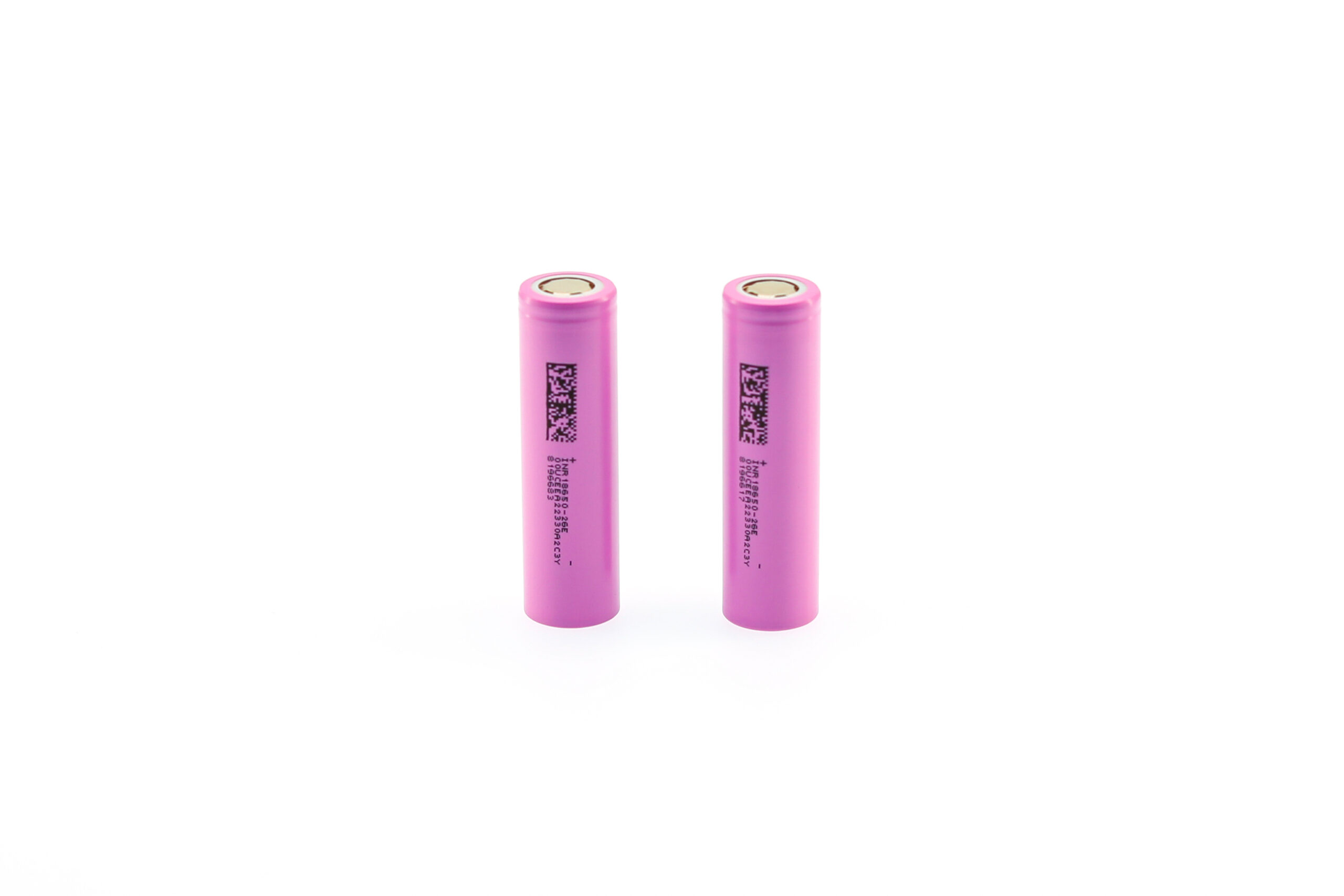
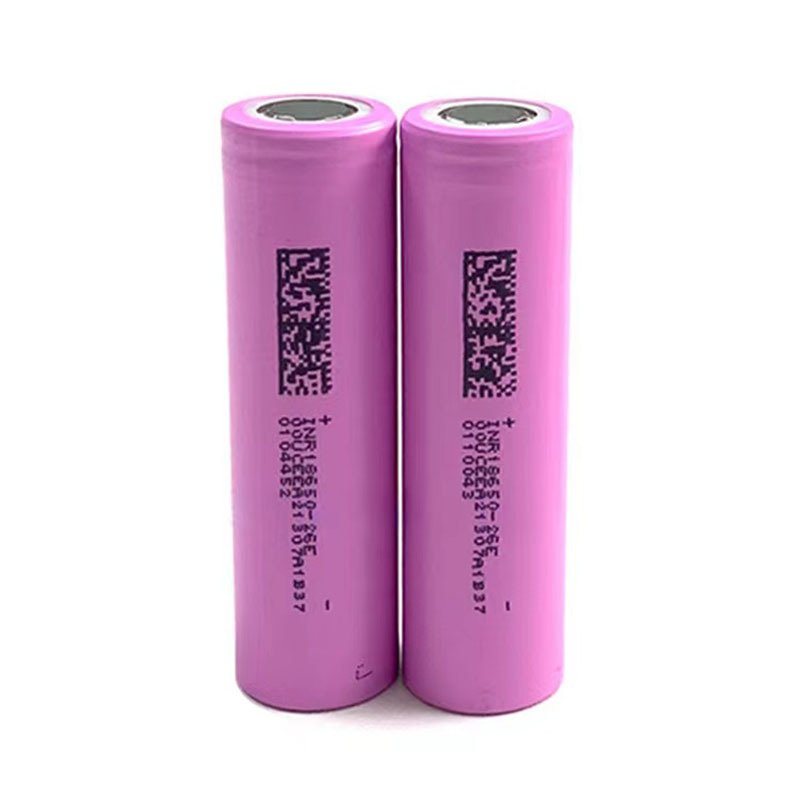
The 18650 designation refers to the cylindrical cell’s physical dimensions: 18mm diameter and 65mm length. When paired with LFP chemistry, these cells deliver a nominal voltage of 3.2V with a charging cutoff at 3.6V, distinguishing them from NCM/NCA counterparts operating at 3.7V nominal.
The steel cylindrical casing provides exceptional mechanical protection, offering superior resistance against impact, compression, and penetration—critical factors for EV battery packs operating in demanding environments. This structural integrity, combined with LFP’s inherently stable crystal structure, minimizes thermal runaway risks and enhances overall system safety.
Key Performance Metrics for 2026 EV Applications
Cycle Life and Degradation
Modern 18650 LFP cells achieve 2,000-3,000+ full cycle equivalents at 80% depth of discharge, significantly outperforming traditional lithium cobalt oxide variants. For EV applications, this translates to approximately 8-10 years of service life under normal operating conditions. Recent manufacturing improvements have pushed premium grades beyond 5,000 cycles when operated within optimal temperature ranges (15-35°C).
Thermal Stability
LFP chemistry demonstrates exceptional thermal stability, with decomposition temperatures exceeding 270°C compared to 150-200°C for NCM chemistries. This characteristic reduces cooling system requirements and enables simpler battery management system (BMS) architectures, ultimately lowering total pack costs.
Energy Density Considerations
While 18650 LFP cells typically deliver 120-160 Wh/kg at the cell level—lower than NCM’s 200-250 Wh/kg—the gap narrows at the pack level when accounting for reduced cooling and safety system requirements. For commercial EVs, fleet vehicles, and secondary mobility applications, this trade-off often favors LFP’s longevity advantages.
Integration Best Practices for Engineers
Cell Matching and Grading
Procurement teams must prioritize cells with tight capacity tolerance (±2%) and internal resistance matching (±3%). Reputable manufacturers implement automated grading processes ensuring consistency across production batches. Visit cylindrical battery cell products for detailed specifications on graded 18650 LFP options suitable for EV integration.
BMS Configuration
Optimal BMS design for 18650 LFP packs should include:
- Individual cell voltage monitoring (±5mV accuracy)
- Temperature sensing at multiple pack locations
- Balanced charging algorithms optimized for LFP’s flat voltage curve
- State-of-health estimation based on impedance tracking
Thermal Management
Despite LFP’s superior thermal stability, active or passive thermal management remains essential for maintaining performance across ambient conditions. Liquid cooling systems should target 25-30°C operating temperatures, while air-cooled designs require careful airflow channel design to prevent hot spots.
Sourcing Considerations for Technical Procurement
When evaluating 18650 LFP suppliers for EV projects, consider these critical factors:
Manufacturing Certification: Verify ISO 9001, IATF 16949, and UN 38.3 compliance. Automotive-grade cells require additional AEC-Q200 qualification for component reliability.
Production Capacity: Ensure suppliers can scale production to match your project timeline. Leading Chinese manufacturers have expanded 18650 LFP capacity significantly for 2026 demand. For comprehensive manufacturer verification, reference battery manufacturers in China to identify qualified partners.
Quality Documentation: Request complete test reports including cycle life data, thermal abuse testing, and vibration/shock validation per automotive standards.
Supply Chain Transparency: Trace raw material sourcing, particularly for iron phosphate and electrolyte components, to ensure compliance with emerging ESG requirements.
Cost-Benefit Analysis
While 18650 LFP cells command approximately 10-15% premium over standard lithium-ion variants, the total cost of ownership often favors LFP for EV applications exceeding 5-year service life. Reduced warranty claims, lower replacement frequencies, and simplified thermal management offset initial procurement costs.
For fleet operators and commercial EV manufacturers, the predictability of LFP degradation curves enables more accurate residual value modeling and second-life battery planning.
Future Outlook and Technology Roadmap
The 18650 form factor continues evolving with improved electrode coatings, advanced electrolyte additives, and optimized winding techniques. 2026 introduces next-generation LFP variants featuring manganese doping (LFMP) for enhanced voltage characteristics while maintaining safety profiles.
Engineers should monitor developments in cell-to-pack integration techniques that maximize volumetric efficiency without compromising the 18650’s inherent serviceability advantages.
Conclusion
For EV applications prioritizing reliability, safety, and long-term value, 18650 LFP cells represent a mature, well-understood technology platform. Successful implementation requires careful attention to cell selection, BMS design, and thermal management—but the operational benefits justify the engineering investment.
Technical teams evaluating 18650 LFP options for 2026 EV projects should engage qualified manufacturers early in the design process. For direct consultation on specifications and integration support, contact our technical team at CNS Battery Contact to discuss your specific application requirements.
The transition to electrified mobility demands battery solutions that balance performance with dependability. 18650 LFP cells, when properly specified and integrated, deliver the reliability foundation that modern EV platforms require.