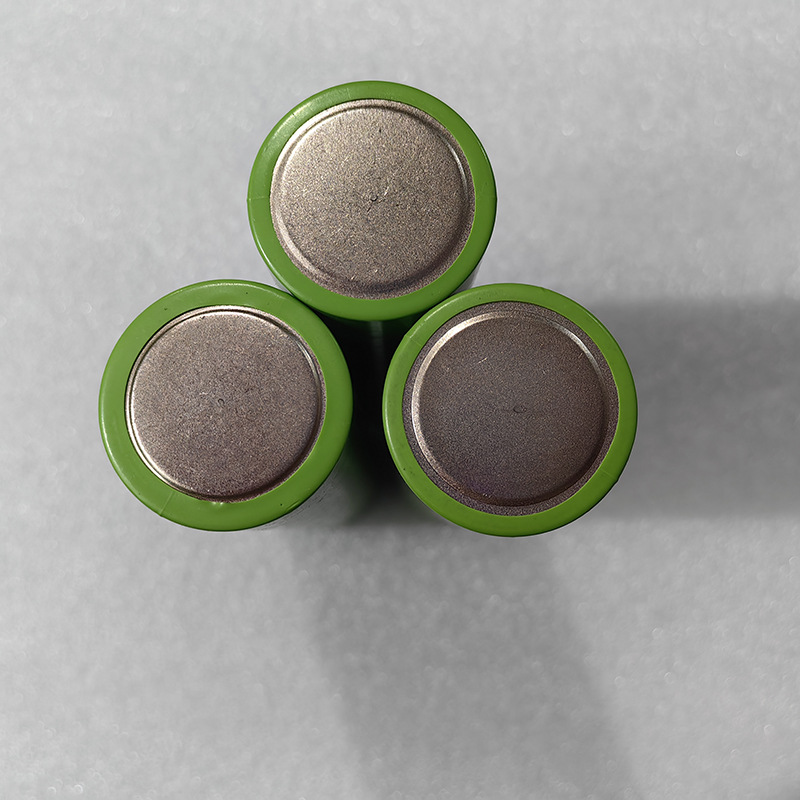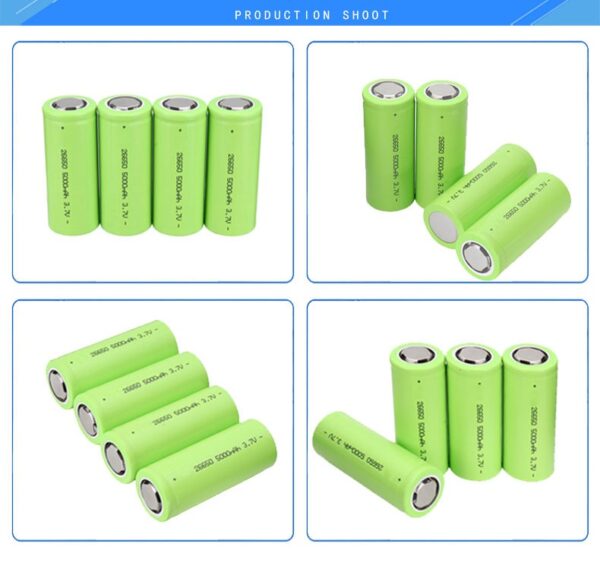
30 Minutes Fast Charge Battery Cell: Technical Deep Dive for Engineering Teams
Introduction
In today’s rapidly evolving electrification landscape, charging speed has become a critical differentiator for battery-powered applications. The 30 Minutes Fast Charge Battery Cell represents a significant technological milestone, enabling devices and vehicles to achieve 80% state of charge (SOC) within half an hour. For engineering teams and technical procurement specialists evaluating battery solutions, understanding the underlying technology, performance characteristics, and implementation considerations is essential for making informed decisions.
Core Technology Behind 30-Minute Fast Charging
Electrochemical Design Optimization
Achieving reliable 30-minute fast charging requires fundamental modifications to cell architecture. The anode material typically employs modified graphite or silicon-composite structures with enhanced lithium-ion diffusion coefficients. These materials reduce charging polarization and minimize lithium plating risks during high-current operations.
The electrolyte formulation plays an equally crucial role. Advanced additive packages improve ionic conductivity while forming stable solid-electrolyte interphase (SEI) layers that withstand repeated fast-charge cycles. This chemical engineering ensures long-term cycle life despite aggressive charging protocols.
Thermal Management Integration
Fast charging generates substantial heat through internal resistance and electrochemical reactions. Effective thermal management systems must maintain cell temperatures between 25°C and 45°C during charging operations. This requires:
- Optimized cell geometry for heat dissipation
- Integration with battery management systems (BMS) for real-time temperature monitoring
- Pack-level cooling solutions compatible with high C-rate operations
Battery Management System Requirements
A sophisticated BMS is non-negotiable for 30-minute fast charge implementations. The system must dynamically adjust charging current based on:
- Cell temperature readings
- Individual cell voltage monitoring
- State of health (SOH) degradation tracking
- Ambient condition adaptations
Application Scenarios and Performance Metrics
Electric Mobility Solutions
For electric two-wheelers and light EVs, 30-minute charging dramatically improves operational efficiency. Fleet operators can minimize downtime while maintaining schedule reliability. The technology particularly benefits urban delivery vehicles requiring multiple daily charging cycles.
Consumer Electronics and Power Tools
High-drain applications benefit from reduced charging interruptions. Professional power tools can return to service quickly, while premium consumer devices offer enhanced user experience through rapid power restoration.
Energy Storage Systems
Grid-tied and commercial storage applications leverage fast-charge capabilities for frequency regulation and peak shaving operations where rapid response times create economic value.
Selection Criteria for Technical Procurement
When evaluating 30-minute fast charge battery cells, engineering teams should verify:
- Cycle Life Specifications: Minimum 1000 cycles at 80% depth of discharge with fast-charge protocols
- Temperature Operating Range: Validated performance from -10°C to 60°C ambient conditions
- Safety Certifications: UN38.3, IEC62133, and applicable regional compliance marks
- Manufacturer Track Record: Proven production capacity and quality control systems
For organizations seeking qualified battery manufacturers in China with established fast-charge technology portfolios, comprehensive manufacturer evaluations are available at https://cnsbattery.com/battery-manufacturers-in-china/ which provides detailed supplier assessment criteria.
CNS BATTERY Fast Charge Cell Portfolio
CNS BATTERY has developed cylindrical battery cell solutions specifically engineered for 30-minute fast charge applications. The product line incorporates the technical features discussed above, with validated performance data available for engineering review.
Technical teams can access detailed specifications and request samples through the cylindrical battery cell product page at https://cnsbattery.com/products-3/cylindrical-battery-cell/ where comprehensive datasheets and testing reports are maintained.
Implementation Considerations
Successful deployment requires system-level integration planning:
- Charger Compatibility: Ensure charging infrastructure supports required current profiles
- Wiring and Connectors: High-current applications demand appropriately rated components
- Safety Protocols: Implement fault detection and emergency shutdown procedures
- Warranty Terms: Clarify fast-charge usage impacts on warranty coverage
Conclusion
The 30 Minutes Fast Charge Battery Cell technology represents a mature solution for applications requiring minimal charging downtime. Success depends on proper cell selection, system integration, and operational protocol development. Engineering teams should prioritize manufacturers with proven fast-charge production experience and comprehensive technical support capabilities.
For technical consultations, specification reviews, or custom development discussions, direct engagement with the CNS BATTERY engineering team is recommended. Contact information and inquiry forms are accessible at https://cnsbattery.com/contact-2/ to facilitate project-specific technical conversations.
Investing in properly engineered fast-charge solutions delivers measurable operational advantages while maintaining safety and longevity standards expected in professional applications.