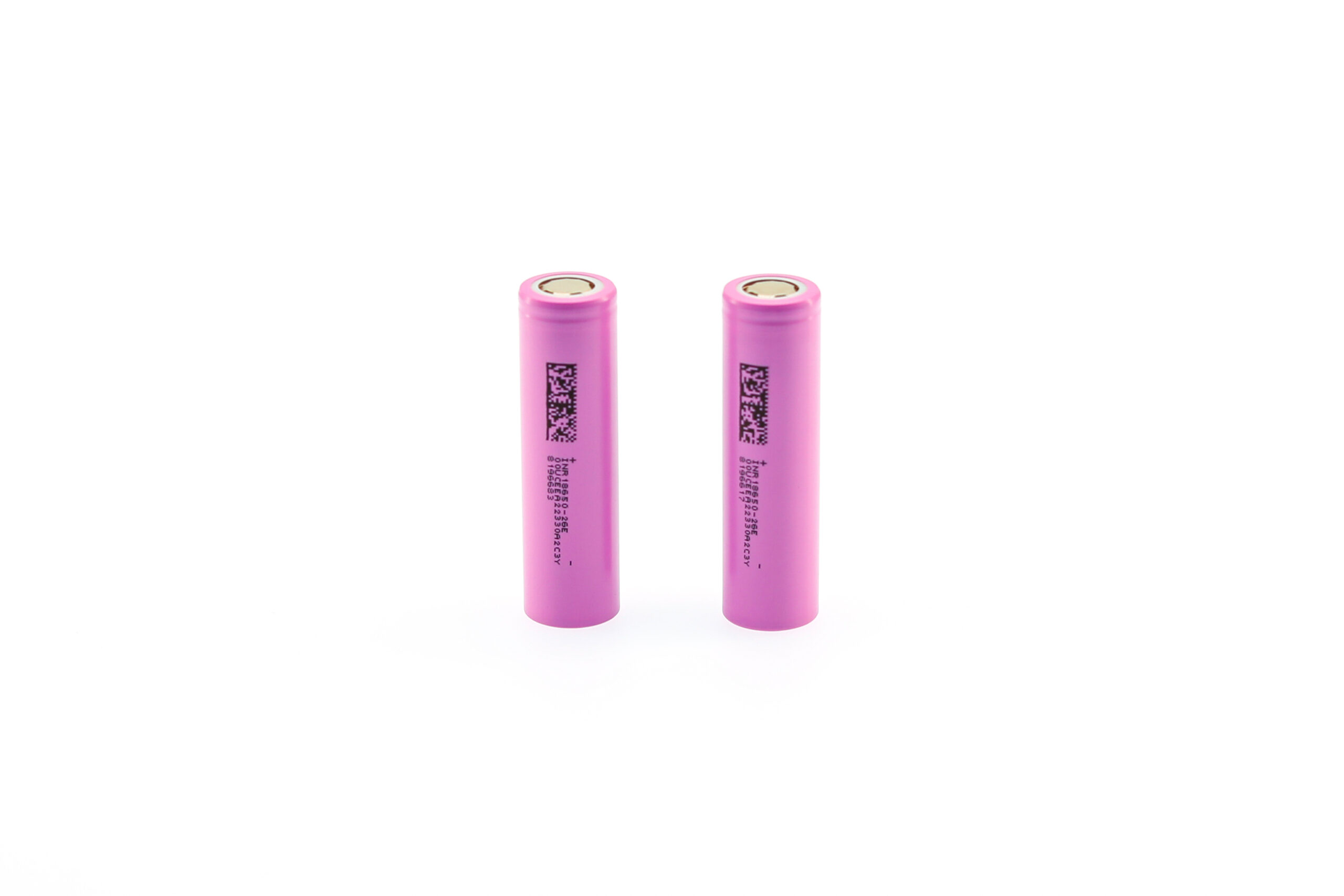
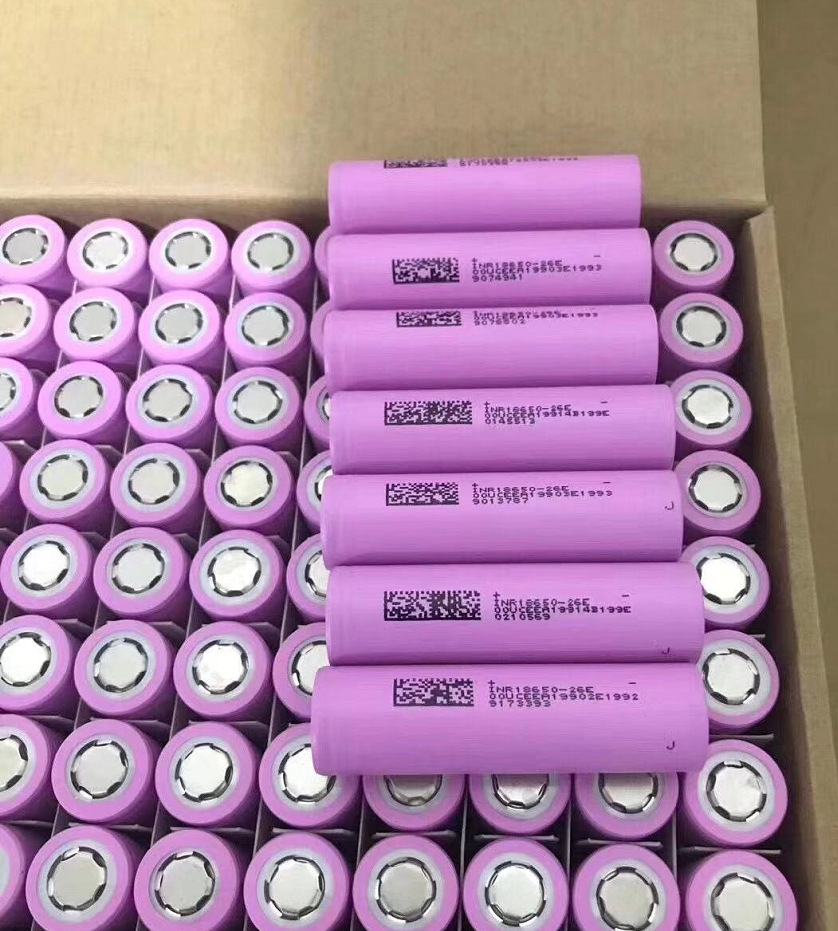
B2B 60130 NCM Cylindrical Battery Supplier China – Solve Long Cycle Life Today Fast Shipping Guaranteed
Executive Summary for Global Procurement Professionals
In the rapidly evolving energy storage landscape, the 60130 NCM cylindrical battery has emerged as a critical component for industrial applications requiring exceptional energy density and extended cycle life. For B2B buyers sourcing from China, understanding the technical specifications, compliance requirements, and supplier verification processes is essential for successful procurement. This guide provides actionable insights for overseas distributors, OEMs, and system integrators evaluating Chinese NCM cylindrical battery suppliers.
Understanding 60130 NCM Cylindrical Battery Technology
The 60130 designation refers to cylindrical battery dimensions: 60mm diameter × 130mm height. This form factor offers superior thermal management compared to larger prismatic cells while maintaining higher capacity than standard 18650 or 21700 cells. NCM (Nickel-Cobalt-Manganese) chemistry delivers energy densities ranging from 220-280 Wh/kg, making it ideal for applications demanding both power and longevity.
Key Technical Specifications:
- Nominal Voltage: 3.6V-3.7V per cell
- Capacity Range: 25Ah-40Ah depending on manufacturer
- Cycle Life: 2,000-5,000 cycles at 80% DOD
- Operating Temperature: -20°C to 60°C
- Charge Rate: 0.5C-1C standard, 2C fast-charge capable
The NCM cathode composition (typically NCM 523, 622, or 811) directly impacts performance characteristics. Higher nickel content increases energy density but may reduce thermal stability, requiring sophisticated BMS integration for safety compliance.
Compliance and Certification Requirements for International Markets
Overseas buyers must verify suppliers maintain current certifications aligned with destination market regulations:
Essential Certifications:
- UN38.3: Mandatory for lithium battery transportation
- IEC 62133: Safety standard for portable applications
- UL 1642/2054: North American market requirement
- CE/RoHS: European Union compliance
- ISO 9001: Quality management system verification
According to UL Solutions, EV battery manufacturers must test products against applicable regulations and OEM specifications before market entry. Reputable Chinese suppliers provide complete test reports from accredited laboratories (SGS, TUV, Intertek) upon request. Always request original certification documents, not copies, during supplier qualification.
Procurement Best Practices for B2B Buyers
1. Supplier Verification Process
Conduct comprehensive due diligence before committing to large orders:
- Factory Audit: Request virtual or on-site facility inspection
- Production Capacity: Verify monthly output matches your volume requirements
- Quality Control: Review incoming material inspection and final testing protocols
- Traceability: Ensure batch-level tracking for warranty and recall management
For verified battery manufacturers in China, visit https://cnsbattery.com/battery-manufacturers-in-china/ to access pre-qualified supplier directories with compliance documentation.
2. Technical Compatibility Assessment
Before integration, confirm cell specifications match your application requirements:
- Voltage Window: Verify charge/discharge cutoff voltages align with your BMS
- Thermal Characteristics: Request thermal runaway test data for safety analysis
- Mechanical Dimensions: Confirm tolerance specifications (±0.5mm typical)
- Connection Method: Evaluate welding compatibility (nickel strip, busbar)
3. Commercial Terms and Logistics
Pricing Structure:
- MOQ typically ranges from 1,000-5,000 cells for standard grades
- Volume discounts apply at 10,000+ unit orders
- Payment terms: 30% deposit, 70% before shipment (negotiable for established partners)
Shipping Considerations:
- Class 9 Dangerous Goods declaration required
- Air freight: 7-15 days to major ports
- Sea freight: 25-35 days, cost-effective for large volumes
- Ensure supplier handles export documentation and customs clearance
Case Study: European Energy Storage Integrator
A German ESS company partnered with a Chinese 60130 NCM supplier for residential storage systems. Initial challenges included:
- Challenge 1: Inconsistent capacity across batches
- Solution: Implemented incoming inspection protocol with 3% sampling rate
- Challenge 2: Shipping delays during peak season
- Solution: Established quarterly forecasting with 60-day lead time buffer
- Challenge 3: BMS communication protocol mismatch
- Solution: Supplier provided customized cell data sheets with updated parameters
After 18 months, the partnership achieved 99.2% on-time delivery and <0.3% defect rate, demonstrating the value of structured supplier management.
Long Cycle Life Optimization Strategies
Maximizing battery longevity requires attention to operational parameters:
Charging Protocol:
- Avoid charging below 0°C without pre-heating
- Maintain charge voltage within ±0.05V tolerance
- Implement balanced charging for multi-cell configurations
Thermal Management:
- Keep operating temperature between 15°C-35°C for optimal cycle life
- Ensure adequate airflow or liquid cooling for high-power applications
- Monitor temperature differentials (<5°C across pack)
State of Charge Management:
- Storage at 40-60% SOC for extended periods
- Avoid prolonged storage at 100% SOC
- Implement periodic cycling for inventory management
Fast Shipping and Supply Chain Reliability
Leading Chinese suppliers maintain strategic inventory levels to support fast shipping commitments:
- Stock Availability: Standard grades kept in 30-45 day inventory
- Production Lead Time: 2-4 weeks for custom specifications
- Emergency Orders: Premium shipping options available (3-5 days air freight)
For current product specifications and availability, explore https://cnsbattery.com/products-3/cylindrical-battery-cell/ for detailed 60130 NCM cell options with real-time inventory status.
Risk Mitigation Framework
Quality Risks:
- Request pre-shipment inspection reports
- Implement incoming quality control at destination
- Maintain 5-10% buffer stock for quality issues
Supply Chain Risks:
- Diversify across 2-3 qualified suppliers
- Establish long-term supply agreements with volume commitments
- Monitor raw material price trends (lithium, cobalt, nickel)
Regulatory Risks:
- Track evolving battery regulations in target markets
- Ensure supplier stays current with certification renewals
- Maintain documentation for 10+ years for compliance audits
Conclusion and Next Steps
The 60130 NCM cylindrical battery represents a mature technology with proven performance in industrial applications. Success in sourcing from China requires systematic supplier evaluation, clear technical specifications, and robust quality management processes.
Recommended Action Items:
- Download supplier qualification checklist
- Request samples from 3-5 pre-qualified manufacturers
- Conduct independent testing before volume commitment
- Establish clear communication protocols and escalation paths
For direct supplier contact and customized quotations, visit https://cnsbattery.com/contact-2/ to connect with verified NCM cylindrical battery manufacturers capable of meeting your specific requirements with fast shipping guarantees.
By following this structured approach, B2B buyers can confidently source high-quality 60130 NCM cylindrical batteries from China while minimizing risks and maximizing value throughout the procurement lifecycle.