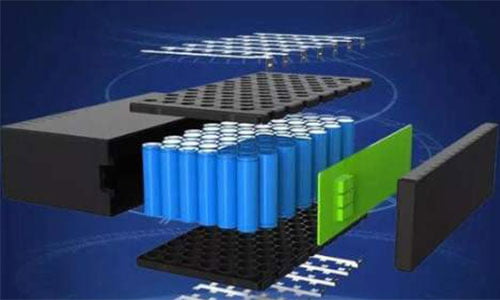
Solve Low Temp Voltage Sag in 32700 LFP Cells
Low-temperature voltage sag remains one of the most critical challenges facing 32700 LiFePO₄ (LFP) cylindrical battery cells in commercial and industrial applications across North America, Europe, and cold-climate regions. As global demand for reliable energy storage solutions grows in markets like Germany, the United States, and Canada, understanding and mitigating this phenomenon becomes essential for B2B buyers, system integrators, and OEM partners seeking dependable battery performance year-round.
Understanding the Root Cause of Voltage Sag
Voltage sag in LFP cells during low-temperature operation stems from fundamental electrochemical limitations. At temperatures below 0°C, lithium-ion diffusion rates within the graphite anode decrease significantly, increasing internal resistance. For 32700 format cells—popular in solar energy storage, electric mobility, and backup power systems—this manifests as noticeable voltage drops under load, reducing usable capacity and potentially triggering premature battery management system (BMS) cutoffs.
The 32700 cylindrical form factor, with its 32mm diameter and 70mm length, offers excellent thermal mass but requires specific engineering considerations for cold-weather performance. Unlike prismatic or pouch cells, cylindrical designs distribute heat differently, affecting both discharge efficiency and thermal management strategies.
Core Technical Solutions for Temperature Performance
1. Advanced Electrolyte Formulations
Modern LFP cells incorporate low-temperature electrolyte additives that maintain ionic conductivity down to -20°C. Premium manufacturers utilize carbonate-based solvent blends with fluorinated compounds, reducing viscosity and improving lithium-ion mobility during cold discharge cycles. B2B purchasers should verify electrolyte specifications when sourcing cells for cold-climate deployments.
2. Optimized Electrode Architecture
High-pressure compaction density cathodes (2.6g/cm³ and above) combined with porous anode structures enhance low-temperature performance. Fourth-generation LFP materials demonstrate improved electron conductivity and lithium diffusion coefficients, directly addressing voltage sag issues. When evaluating suppliers, request detailed electrochemical performance data across temperature ranges from -20°C to 60°C.
3. Integrated Thermal Management Systems
Active heating elements within battery packs maintain optimal operating temperatures during cold starts. Smart BMS algorithms can pre-warm cells before high-current discharge, preventing voltage collapse. For installations in regions like Northern Europe, Scandinavia, or Canadian provinces, thermal management integration is not optional—it’s essential for warranty compliance and performance guarantees.
4. Cell Matching and Balancing
Voltage sag variations between individual cells amplify pack-level performance issues. High-quality 32700 cells feature tight voltage tolerance (±5mV) and low self-discharge rates (<3% monthly). Advanced balancing circuits ensure uniform cell performance, extending pack lifespan and maintaining consistent output even in challenging thermal conditions.
Compliance and Regional Considerations
International buyers must consider regional certification requirements when sourcing LFP cells. European markets require CE marking and UN38.3 transportation compliance. North American installations demand UL 1642 and UL 1973 certifications. Reputable manufacturers provide complete documentation packages including MSDS, test reports, and conformity declarations aligned with local regulatory frameworks.
For system integrators serving commercial clients in Germany, the Netherlands, or the United Kingdom, working with certified battery manufacturers in China ensures both cost efficiency and compliance assurance. Verified suppliers maintain ISO 9001 quality management systems and undergo regular third-party audits.
Why CNS BATTERY Delivers Superior Low-Temperature Performance
CNS BATTERY specializes in high-performance 32700 LFP cylindrical cells engineered for demanding global applications. Our cells feature fourth-generation high-compaction LFP cathode materials, advanced low-temperature electrolytes, and rigorous quality control processes validated across -20°C to 60°C operating ranges.
For B2B partners seeking reliable battery solutions, CNS BATTERY offers comprehensive technical support, custom pack configuration services, and full regulatory documentation for international markets. Our manufacturing facility maintains strict quality standards with automated production lines and in-house testing laboratories.
Explore our complete cylindrical battery cell portfolio: https://cnsbattery.com/products-3/cylindrical-battery-cell/
Connect with our international sales team: https://cnsbattery.com/contact-2/
Learn more about our manufacturing capabilities: https://cnsbattery.com/battery-manufacturers-in-china/
Whether you’re deploying energy storage systems in cold-climate regions or building electric mobility solutions for global markets, partnering with an experienced battery manufacturer ensures long-term reliability and performance. CNS BATTERY combines Chinese manufacturing efficiency with international quality standards, delivering 32700 LFP cells that solve low-temperature voltage sag challenges while meeting your specific application requirements.
Contact CNS BATTERY today for technical consultations, sample requests, and customized solutions tailored to your regional market needs.