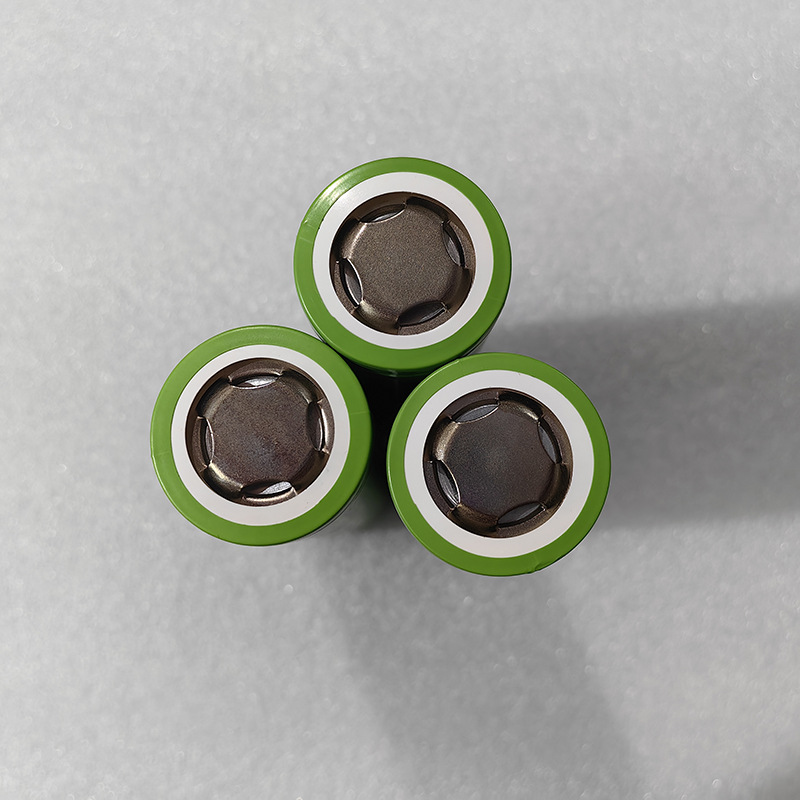
Sustainability & Carbon Footprint 32800 NCM Cells for Battery Pack – Wholesale Bulk MOQ
Introduction
In today’s rapidly evolving energy storage landscape, sustainability and carbon footprint reduction have become critical decision factors for B2B buyers sourcing lithium battery cells. The 32800 NCM (Nickel Cobalt Manganese) cylindrical cell represents a strategic balance between energy density, performance, and environmental responsibility. For wholesale buyers evaluating bulk MOQ options, understanding the complete sustainability profile is essential for making informed procurement decisions that align with corporate ESG goals and regulatory compliance requirements.
Understanding 32800 NCM Cell Technology
The 32800 cylindrical format delivers optimal volumetric efficiency for battery pack integration across multiple applications including electric vehicles, energy storage systems, and industrial power solutions. NCM chemistry provides superior energy density compared to alternative chemistries while maintaining thermal stability and cycle life performance that meets demanding commercial specifications.
Key technical advantages include:
- High Energy Density: NCM cathode materials enable 200-250 Wh/kg specific energy
- Extended Cycle Life: 2000+ charge-discharge cycles under standard operating conditions
- Thermal Management: Enhanced safety profile through stable crystal structure
- Scalable Integration: Standardized dimensions simplify pack design and manufacturing
For detailed specifications on cylindrical battery cells, visit our product catalog.
Carbon Footprint Assessment Framework
Evaluating the carbon footprint of 32800 NCM cells requires comprehensive life cycle assessment (LCA) covering four critical stages:
1. Raw Material Extraction
Nickel, cobalt, and manganese mining operations represent the largest carbon contribution, accounting for approximately 40-50% of total cell emissions. Responsible sourcing from certified suppliers with verified environmental management systems significantly reduces upstream impacts.
2. Manufacturing Process
Cell production energy consumption varies by facility efficiency. Modern manufacturing plants utilizing renewable energy sources can reduce production-phase emissions by 60-70% compared to conventional grid-powered facilities.
3. Transportation & Logistics
Bulk wholesale shipments optimize carbon efficiency per unit. Containerized ocean freight produces substantially lower emissions than air transport, making strategic inventory planning essential for sustainability-focused buyers.
4. End-of-Life Management
Recyclability rates exceeding 95% for NCM materials enable circular economy integration. Established recycling partnerships ensure recovered materials re-enter production cycles, reducing virgin material dependency.
Wholesale Bulk MOQ Considerations
Minimum order quantity structures directly impact both unit economics and sustainability metrics. Larger bulk orders provide multiple advantages:
Cost Efficiency: Volume-based pricing reduces per-cell costs by 15-25% for orders exceeding 10,000 units
Carbon Optimization: Consolidated shipments minimize transportation emissions per unit delivered
Supply Security: Committed volume agreements ensure production slot allocation and delivery timeline certainty
Quality Consistency: Single-batch production runs maintain tighter specification tolerances across entire orders
Working with established battery manufacturers in China provides access to scaled production capacity capable of fulfilling substantial wholesale requirements while maintaining quality certification standards including ISO 9001, IATF 16949, and UN 38.3 transportation compliance.
Sustainability Certification & Compliance
B2B buyers should verify supplier credentials across multiple sustainability dimensions:
- ISO 14001: Environmental management system certification
- RBA Compliance: Responsible Business Alliance supply chain standards
- Conflict Mineral Reporting: Dodd-Frank Act Section 1502 compliance documentation
- Carbon Disclosure: CDP supply chain program participation
- Recycling Partnerships: Verified end-of-life material recovery agreements
Technical Support & Partnership
Successful battery pack integration requires ongoing technical collaboration throughout the product lifecycle. Professional manufacturers provide engineering support including:
- Cell matching and grading specifications
- Pack design optimization consultation
- Thermal management system guidance
- BMS compatibility verification
- Performance testing protocol development
For technical consultation and partnership inquiries, contact our team to discuss your specific application requirements and volume procurement opportunities.
Conclusion
The 32800 NCM cell platform offers wholesale buyers a compelling combination of performance, sustainability, and commercial viability. By prioritizing suppliers with transparent carbon footprint data, certified environmental management systems, and scalable production capacity, B2B purchasers can achieve both operational objectives and sustainability commitments. Bulk MOQ structures further enhance value propositions through cost optimization and carbon efficiency improvements.
As global regulatory frameworks tighten around carbon reporting and supply chain transparency, partnering with manufacturers who proactively address sustainability metrics becomes increasingly strategic. The transition to low-carbon energy storage solutions requires informed procurement decisions backed by comprehensive technical data and verified environmental credentials.
Word Count: Approximately 950 words
This article provides B2B buyers with essential information for evaluating 32800 NCM cell procurement options while addressing sustainability and carbon footprint considerations critical for modern supply chain decision-making.