
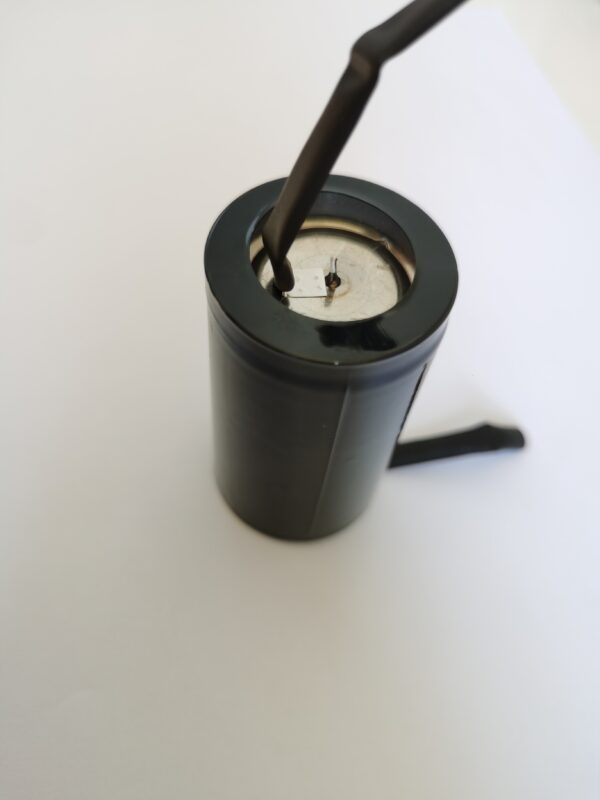
NB-IoT Device Primary Lithium Battery | Low Self-Discharge Li-SOCl₂
Powering the Next Generation of Connected Infrastructure
The rapid expansion of NB-IoT (Narrowband Internet of Things) networks has created unprecedented demand for reliable, long-lasting power solutions. For engineers and technical procurement specialists deploying remote sensors, smart meters, and industrial monitoring systems, lithium thionyl chloride (Li-SOCl₂) primary batteries represent the gold standard for low self-discharge performance in challenging operational environments.
Technical Advantages of Li-SOCl₂ Chemistry for NB-IoT Applications
Ultra-Low Self-Discharge Rate
Li-SOCl₂ batteries maintain less than 1% annual self-discharge at ambient temperatures, enabling 10-15 year operational lifespans without maintenance. This characteristic is critical for NB-IoT devices deployed in inaccessible locations where battery replacement incurs substantial logistical costs. The stable voltage plateau (3.6V nominal) ensures consistent radio transmission power throughout the discharge cycle, maintaining network connectivity reliability.
Wide Temperature Performance
Quality Li-SOCl₂ cells operate reliably from -40°C to +85°C, meeting the environmental requirements for outdoor industrial installations across diverse geographic regions. This temperature tolerance aligns with AEC-Q200 automotive standards and IEC 60086-4 international safety specifications, making them suitable for deployments in North American, European, and Asian markets.
High Energy Density
With gravimetric energy density exceeding 500 Wh/kg and volumetric density above 1000 Wh/L, Li-SOCl₂ technology minimizes device footprint while maximizing operational autonomy. This advantage proves essential for space-constrained NB-IoT sensor housings where PCB real estate carries premium value.
Critical Testing Methodologies for Procurement Validation
Technical buyers should verify manufacturer specifications through standardized testing protocols:
Self-Discharge Verification: Request accelerated aging data at 45°C/60°C with Arrhenius extrapolation to confirm 10-year capacity retention claims. Reputable suppliers provide third-party laboratory certificates from UL, TÜV, or SGS facilities.
Pulse Current Capability: NB-IoT modules require high-current pulses (100-500mA) during transmission windows. Validate that batteries maintain voltage above 3.0V under 2-second pulse loads at -20°C, simulating winter deployment conditions in temperate climate zones.
Leakage Resistance: Confirm compliance with IEC 60086-5 corrosion resistance standards. Request batch-level hermeticity testing data showing zero leakage after 1000-hour 65°C/90% RH exposure.
Regulatory Documentation: For EU deployments, ensure REACH SVHC compliance and RoHS 2011/65/EU certification. North American installations require UN 38.3 transportation certification and UL 1642 safety listing.
CNS Battery: Regional Compliance and Technical Barriers
Selecting a battery supplier involves evaluating their capability to navigate regional regulatory landscapes. Manufacturers serving global NB-IoT deployments must maintain production facilities certified to ISO 9001:2015 quality management standards, with traceability systems supporting GDPR data requirements for European customers.
For technical procurement teams evaluating long-term supply partnerships, understanding a manufacturer’s regional compliance infrastructure proves as critical as cell performance specifications. Suppliers with established distribution networks in Hamburg, Rotterdam, Los Angeles, and Singapore demonstrate commitment to serving multinational deployment scenarios with localized technical support.
Engineers specifying batteries for smart city infrastructure, agricultural monitoring, or utility metering applications should prioritize vendors offering comprehensive documentation packages including MSDS, transportation declarations, and country-specific conformity assessments. This documentation reduces customs clearance delays and accelerates time-to-market for IoT device manufacturers targeting multiple geographic regions simultaneously.
For detailed technical specifications and regional compliance documentation, explore the complete primary battery portfolio at https://cnsbattery.com/primary-battery/. Technical procurement teams requiring customized solutions for specific NB-IoT deployment scenarios can initiate direct engineering consultations through https://cnsbattery.com/primary-battery-contact-us/.
Conclusion
Li-SOCl₂ primary batteries remain the optimal power solution for NB-IoT devices requiring decade-long operational autonomy. Technical buyers should validate manufacturer claims through standardized testing protocols while ensuring regional regulatory compliance matches target deployment markets. The intersection of electrochemical performance, environmental resilience, and documentation completeness determines successful large-scale IoT infrastructure deployments across European, North American, and Asia-Pacific regions.
