
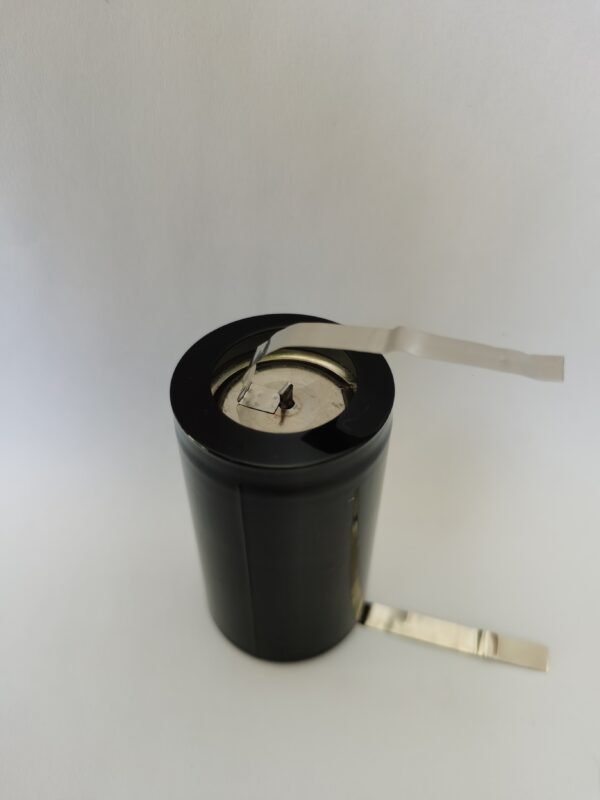
Automotive Grade Primary Lithium Battery Factory | IATF16949 Certified
In the rapidly evolving automotive electronics landscape, reliability and safety remain non-negotiable. For engineers and technical procurers sourcing power solutions for critical automotive applications, partnering with an IATF16949 certified primary lithium battery factory is not merely a preference—it is a fundamental requirement. This article explores what distinguishes a qualified automotive-grade lithium metal battery manufacturer and why certification matters for your supply chain integrity.
Understanding Automotive Grade Primary Lithium Batteries
Primary lithium batteries, specifically lithium metal chemistry (Li-MnO₂, Li-SOCl₂, Li-CFₓ), offer distinct advantages over rechargeable alternatives in automotive applications requiring long-term, maintenance-free operation. Unlike lithium-ion batteries, primary lithium cells utilize metallic lithium as the anode, delivering higher energy density (up to 280 Wh/kg) and exceptional shelf life exceeding 10 years.
The electrochemical reaction in Li-MnO₂ cells, for instance, follows: Li + MnO₂ → LiMnO₂, producing a nominal voltage of 3.0V with stable discharge characteristics across wide temperature ranges (-40°C to +85°C). This makes them ideal for automotive tire pressure monitoring systems (TPMS), emergency call systems (eCall), keyless entry modules, and backup memory power.
Why IATF16949 Certification Matters
IATF16949 represents the global technical specification and quality management standard for the automotive industry. A certified factory demonstrates:
- Process Consistency: Documented manufacturing procedures with traceability at every production stage
- Risk Management: Systematic identification and mitigation of potential failure modes (FMEA)
- Continuous Improvement: Mandatory corrective action protocols and performance monitoring
- Supply Chain Accountability: Rigorous supplier qualification and incoming material verification
For technical buyers, this certification reduces qualification timelines and provides confidence in batch-to-batch consistency—critical when deploying thousands of units across vehicle platforms.
Core Manufacturing Capabilities to Evaluate
When selecting an automotive grade primary lithium battery supplier, assess these fundamental competencies:
1. Cell Design & Engineering Support
Qualified manufacturers maintain in-house R&D teams capable of customizing cell dimensions, capacity, and discharge profiles to match specific application requirements. Look for partners who provide comprehensive technical documentation including MSDS, UN38.3 test reports, and AEC-Q200 validation data.
2. Production Environment Control
Lithium metal batteries require stringent moisture control (dew point <-40°C) and contamination prevention. Automated production lines with real-time monitoring ensure consistent electrode coating, electrolyte filling accuracy (±1%), and hermetic sealing integrity.
3. Quality Testing Infrastructure
Comprehensive testing should include capacity verification, internal resistance measurement, leakage detection, vibration/shock testing, and thermal cycling per ISO 16750 standards. Statistical process control (SPC) with Cpk≥1.33 demonstrates manufacturing maturity.
4. Traceability Systems
Each production batch must carry unique identification enabling full traceability from raw materials through final shipment. This capability proves essential during field failure analysis or recall scenarios.
Application-Specific Considerations
Automotive environments present unique challenges including extreme temperature cycling, mechanical vibration, and extended service life requirements. Primary lithium batteries excel in low-drain applications where periodic replacement is impractical. For TPMS specifically, Li-MnO₂ chemistry delivers stable voltage throughout the discharge curve, ensuring accurate pressure readings until end-of-life.
When integrating batteries into safety-critical systems, verify the manufacturer’s functional safety documentation and ISO 26262 alignment. Some suppliers now offer ASIL-compliant production processes for highest-risk applications.
Partnership Beyond Product Supply
The optimal supplier relationship extends beyond transactional exchanges. Leading automotive battery factories provide:
- Design-in support during product development phases
- Accelerated sample delivery for prototyping
- Flexible MOQ arrangements for program ramp-up
- Long-term supply agreements with capacity reservation
- Regional warehousing for JIT delivery requirements
Making the Right Selection
Evaluating potential partners requires systematic due diligence. Request audit reports, review customer references within the automotive sector, and verify certification validity through IATF databases. Site visits remain invaluable for assessing actual manufacturing conditions versus documented procedures.
For engineers and procurement professionals seeking a qualified partner, explore comprehensive product specifications and technical resources at https://cnsbattery.com/primary-battery/. Direct communication with technical teams ensures your specific requirements receive proper attention—initiate conversations through https://cnsbattery.com/primary-battery-contact-us/.
Conclusion
The automotive industry’s transition toward electrification and connectivity increases demand for reliable primary power sources. Selecting an IATF16949 certified primary lithium battery factory protects your projects from quality risks while ensuring compliance with OEM expectations. Prioritize manufacturers demonstrating technical depth, production transparency, and commitment to continuous improvement. Your next automotive program deserves a power partner meeting the highest industry standards—verify credentials, validate capabilities, and establish partnerships built on documented excellence rather than promises alone.
