
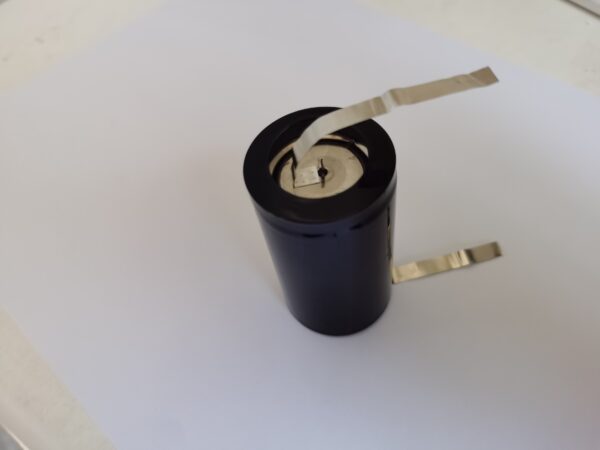
Li-MnO₂ Battery for Military Laser Rangefinder Devices
In modern military operations, precision and reliability are non-negotiable. Laser rangefinder devices serve as critical tools for target acquisition, artillery coordination, and reconnaissance missions. At the heart of these systems lies a power source that must deliver consistent performance under extreme conditions: the Li-MnO₂ (Lithium Manganese Dioxide) primary battery. This article examines why Li-MnO₂ chemistry remains the preferred choice for military laser rangefinders and what procurement specialists should consider when sourcing these critical power solutions.
Why Li-MnO₂ Chemistry Dominates Military Applications
Li-MnO₂ batteries offer a nominal voltage of 3.0V, exceptional energy density, and stable discharge characteristics—attributes essential for laser rangefinder operations. Unlike rechargeable alternatives, primary lithium batteries eliminate the risk of unexpected capacity loss during extended field deployments. The solid-state manganese dioxide cathode paired with a lithium metal anode provides superior shelf life, often exceeding 10 years at ambient temperatures, ensuring readiness for long-term stockpiling.
Military-grade Li-MnO₂ cells operate reliably across temperature ranges from -40°C to +85°C, crucial for deployments in arctic, desert, or tropical environments. The chemistry’s low self-discharge rate (typically less than 1% per year) guarantees that equipment remains operational even after prolonged storage without maintenance charging cycles.
Technical Requirements for Laser Rangefinder Power Systems
Laser rangefinders demand high pulse current capability during measurement cycles while maintaining low standby consumption. Quality Li-MnO₂ batteries deliver peak currents up to 1000mA for short durations without significant voltage depression. This performance characteristic ensures accurate distance calculations regardless of ambient temperature or battery age.
Key specifications procurement teams should verify include:
- Capacity: 1500mAh to 3000mAh depending on form factor (CR123A, CR2, or custom configurations)
- Operating Temperature: -40°C to +85°C for extended military specifications
- Storage Life: Minimum 10 years at 20°C with less than 10% capacity loss
- Safety Features: Built-in PTC devices, vent mechanisms, and compliance with UN 38.3 transportation standards
Compliance and Regulatory Considerations for 2026
Global battery regulations continue evolving, with significant implications for military supply chains. The EU Battery Regulation enters substantive enforcement in 2026, requiring comprehensive documentation of chemical composition, carbon footprint, and manufacturing origins. For defense contractors supplying NATO allies or partner nations, compliance with these frameworks becomes essential for contract eligibility.
Transportation compliance remains critical. The 2026 IATA Dangerous Goods Regulations (DGR 67th Edition) and IMDG Code Amendment 42-24 govern international shipment of lithium primary batteries. Suppliers must provide updated transport classification documentation, proper packaging certification, and state-of-charge declarations where applicable.
Manufacturers serving defense sectors should maintain certifications including ISO 9001:2015 for quality management, ISO 14001 for environmental compliance, and specific military standards such as MIL-PRF-32565 where applicable. These credentials demonstrate commitment to consistent quality and regulatory adherence.
Geographic Supply Chain Considerations
Defense procurement increasingly emphasizes supply chain resilience and geographic diversification. Sourcing from manufacturers with production facilities in multiple regions reduces single-point failure risks. Asian manufacturing hubs offer cost advantages, while North American and European facilities provide shorter lead times and reduced geopolitical exposure.
When evaluating suppliers, consider their capacity for custom configurations. Military laser rangefinders often require specialized form factors, connector types, or integration with existing battery compartments. Manufacturers offering engineering support for custom solutions provide significant value beyond standard catalog products.
Performance Validation and Testing Protocols
Before deployment, Li-MnO₂ batteries should undergo rigorous validation testing. Recommended protocols include:
- Pulse discharge testing simulating actual rangefinder operation cycles
- Temperature cycling between extreme operating limits
- Vibration and shock testing per MIL-STD-810H methods
- Long-term storage evaluation with periodic capacity verification
Reputable suppliers provide comprehensive test reports and maintain traceability records for each production batch. This documentation proves invaluable during quality audits and failure analysis investigations.
Strategic Sourcing Recommendations
For procurement professionals managing military power system acquisitions, establish relationships with manufacturers demonstrating proven track records in defense applications. Request references from existing defense customers and verify production capacity aligns with your program requirements.
When evaluating proposals, prioritize total cost of ownership over initial unit price. Consider factors including shelf life, failure rates, logistics support, and technical assistance availability. A slightly higher unit cost often delivers superior value through reduced replacement frequency and enhanced mission reliability.
For detailed product specifications and technical consultation, explore comprehensive primary battery solutions at https://cnsbattery.com/primary-battery/. Direct communication with engineering teams ensures your specific requirements receive proper attention.
Conclusion
Li-MnO₂ batteries continue to serve as the gold standard for military laser rangefinder applications, offering unmatched reliability, longevity, and performance consistency. As defense requirements evolve and regulatory frameworks tighten, partnering with qualified manufacturers becomes increasingly critical. By understanding technical specifications, compliance obligations, and supply chain dynamics, procurement professionals can secure power solutions that maintain operational readiness across all deployment scenarios.
For further inquiries regarding military-grade primary battery solutions and customization options, contact our technical team at https://cnsbattery.com/primary-battery-contact-us/. Our engineers stand ready to support your defense power system requirements with proven Li-MnO₂ technology and comprehensive documentation packages.
