

Complete UN38.3 UL CE Certified Solution for Power Tools Using High-Quality 32135 LFP Cells vs Competitors
By [Your Name/Blog Name] | March 22, 2026
The power tool industry is undergoing a significant paradigm shift in 2026. As professional contractors and industrial users demand longer runtime, enhanced safety, and stricter regulatory compliance, the focus has moved beyond mere energy density. The core of this transformation lies in the battery cell chemistry and form factor. While Nickel-Cobalt-Manganese (NCM) cells have historically dominated the high-drain market, Lithium Iron Phosphate (LFP) chemistry, particularly in the robust 32135 cylindrical form factor, is emerging as the superior choice for next-generation power tools. However, selecting a cell is only half the battle; ensuring a complete UN38.3, UL, and CE certified solution is critical for global market access and logistics safety.
The Technical Edge of 32135 LFP Cells
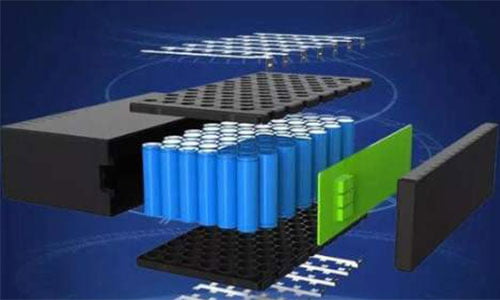
The 32135 cylindrical cell represents a strategic evolution from the ubiquitous 18650 and 21700 formats. With a diameter of 32mm and a length of 135mm, this form factor offers a substantial increase in active material volume, translating to higher capacity per cell. When paired with LFP chemistry, the benefits for power tools are profound.
1. Thermal Stability and Safety: LFP chemistry is inherently more stable than NCM. The strong phosphorus-oxygen bond in the cathode structure prevents thermal runaway under high-stress conditions, such as the rapid discharge cycles typical in cordless drills, saws, and impact drivers. In 2026, where job site safety regulations are tighter, this intrinsic stability reduces the risk of fire hazards significantly.
2. Cycle Life and TCO: Power tools are capital investments. LFP cells typically offer 2,000 to 5,000 full charge cycles, far exceeding the 500 to 1,000 cycles of standard NCM cells. For fleet managers, this drastically lowers the Total Cost of Ownership (TCO), reducing the frequency of battery pack replacements.
3. High Current Discharge: Modern 32135 LFP cells are engineered to support continuous high-current discharge (often 3C to 5C), ensuring that torque and power delivery remain consistent even as the state of charge (SOC) depletes.
Navigating the Compliance Landscape: UN38.3, UL, and CE
For technical purchasers and engineers, compliance is not optional; it is the gateway to market. A high-performance cell is useless if it cannot be shipped legally or sold in target regions.
UN38.3: The Logistics Passport
UN38.3 is the United Nations standard for the safe transport of lithium batteries. It mandates eight rigorous tests, including altitude simulation, thermal cycling, vibration, shock, external short circuit, impact, overcharge, and forced discharge. In 2026, air freight carriers are increasingly stringent. Without a valid UN38.3 test summary from a certified laboratory, battery shipments face immediate rejection. A complete solution ensures that every batch of 32135 cells comes with updated UN38.3 documentation, facilitating seamless global logistics.
UL and CE: Market Access and Liability
For the North American market, UL certification (such as UL 2054 for battery packs and UL 1642 for cells) is often a requirement for insurance and retailer acceptance. Similarly, the CE mark indicates conformity with health, safety, and environmental protection standards for products sold within the European Economic Area, often relying on IEC 62133 standards. Competitors may offer cells that meet electrical specs but lack these critical certifications, exposing manufacturers to significant liability risks and customs delays.
Competitor Comparison: Why Certification Quality Matters
When evaluating suppliers for 32135 LFP cells, technical buyers must look beyond the datasheet. Many competitors offer “compliant” claims without verifiable documentation.
- Consistency: Top-tier manufacturers maintain strict quality control (QC) processes, ensuring capacity and internal resistance consistency across batches. Lower-tier competitors often mix grades, leading to pack imbalance and premature failure.
- Traceability: A certified solution provides full traceability from raw material sourcing to final testing. This is crucial for recalls or safety audits.
- Integrated Support: Competitors often sell cells as standalone components. A complete solution provider offers technical support on BMS (Battery Management System) pairing and pack design to ensure the final assembly passes UL/CE testing.
Partnering for Success: The CNS Battery Advantage
In this complex landscape, partnering with a manufacturer that prioritizes certification and quality is essential. CNS Battery has established itself as a reliable partner for engineers seeking high-quality cylindrical cells that meet rigorous international standards.
Their range of cylindrical battery cells includes premium 32135 LFP options designed specifically for high-drain applications like power tools. Unlike generic suppliers, CNS Battery ensures that their production lines are audited to meet the requirements necessary for UN38.3, UL, and CE certifications, providing peace of mind for global shipments.
For technical purchasers evaluating the supply chain, understanding the manufacturing backbone is key. CNS Battery stands out among battery manufacturers in China by maintaining transparency in their production processes and adhering to international safety protocols. This commitment reduces the risk profile for tool brands importing cells for assembly.
Furthermore, integrating a new cell chemistry into an existing product line requires close collaboration. The engineering team at CNS Battery is available to discuss specific voltage, capacity, and discharge requirements. You can reach out directly via their contact page to request samples, certification documents, or technical consultations.
Conclusion
The transition to 32135 LFP cells in power tools offers a compelling advantage in safety, longevity, and total cost of ownership. However, the true value is unlocked only when these cells are part of a fully certified solution. In 2026, regulatory scrutiny is at an all-time high. Choosing a partner that guarantees UN38.3, UL, and CE compliance is not just a logistical necessity—it is a strategic decision that protects your brand and ensures market continuity. By prioritizing certified quality over marginal cost savings, power tool manufacturers can deliver safer, more reliable products to the professionals who depend on them.

