UL Certified Cylindrical Battery For Electric Boat | CNS BATTERY
The marine electrification revolution demands power solutions that combine safety, reliability, and performance. For electric boat manufacturers and system integrators, selecting the right battery technology is critical. CNS BATTERY’s UL Certified Cylindrical Battery delivers precisely what the electric marine industry requires—validated safety standards, optimized energy density, and proven durability for demanding waterborne applications.
Why UL Certification Matters for Marine Battery Systems
UL certification represents more than regulatory compliance; it signifies rigorous third-party validation of battery safety under extreme conditions. For electric boats, this certification ensures the cylindrical cells meet stringent requirements for thermal runaway prevention, short-circuit protection, and mechanical integrity. Marine environments introduce unique challenges including humidity, vibration, and temperature fluctuations. UL-tested cylindrical batteries undergo comprehensive evaluation protocols that verify performance stability across these variables, reducing liability risks and enhancing end-user confidence.
Technical Advantages of Cylindrical Cell Architecture
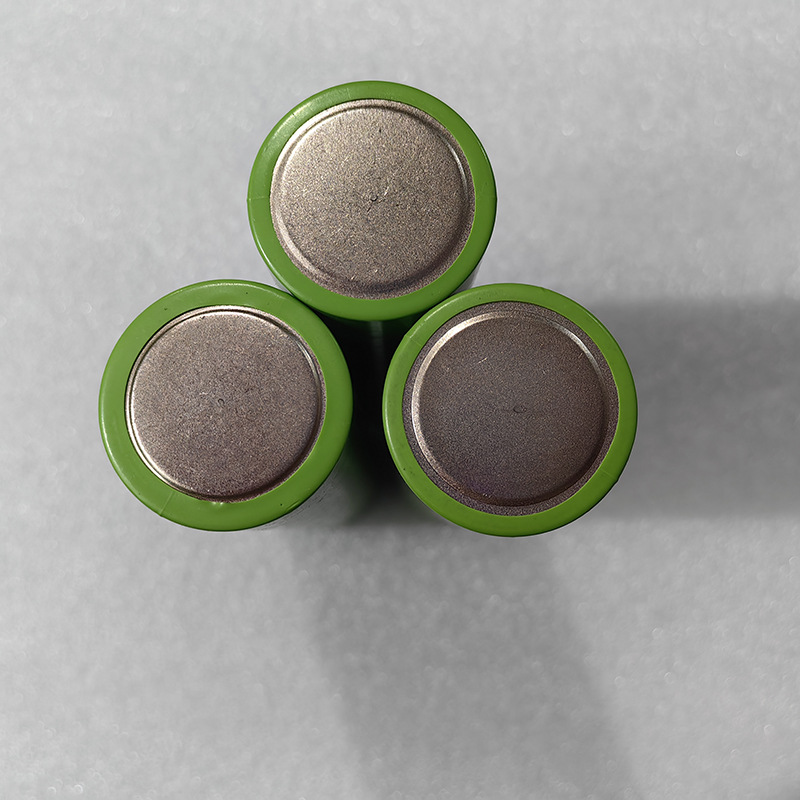
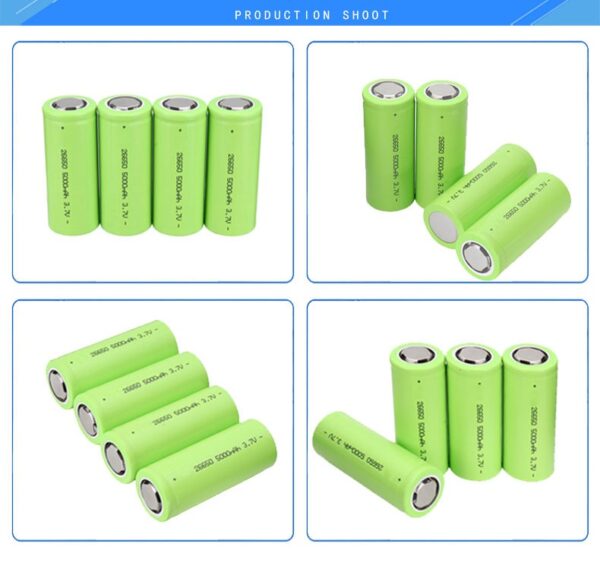
Cylindrical battery cells offer distinct engineering benefits for marine propulsion systems. The cylindrical geometry provides superior mechanical strength compared to pouch or prismatic formats, naturally resisting deformation from vibration and pressure changes common in boat operations. This structural integrity minimizes internal component displacement, maintaining consistent electrical contact throughout the battery lifecycle.
From a thermal management perspective, cylindrical cells enable more efficient heat dissipation. The circular cross-section allows uniform cooling around each cell, preventing hot spots that could degrade performance or trigger safety mechanisms. When configured into battery packs for electric boats, this characteristic simplifies thermal management system design while extending overall pack longevity.
Lithium-Ion Chemistry Fundamentals for Marine Applications
Understanding the underlying electrochemistry helps technical buyers make informed decisions. CNS BATTERY’s cylindrical cells utilize advanced lithium-ion chemistry with optimized cathode materials that balance energy density against safety margins. The intercalation process—where lithium ions move between anode and cathode during charge-discharge cycles—is engineered for stability under partial state-of-charge conditions typical in marine usage patterns.
The separator technology incorporated within these cells features ceramic coating enhancements that prevent internal short circuits even under mechanical stress. This is particularly valuable for electric boats experiencing continuous vibration and occasional impact from wave action. Additionally, the electrolyte formulation includes additives that suppress gas generation and reduce swelling risks over extended operational periods.
Integration Considerations for Electric Boat Manufacturers
System integration requires careful attention to battery management system (BMS) compatibility. CNS BATTERY’s cylindrical cells are designed with standardized dimensions and electrical characteristics that simplify pack assembly. The consistent cell-to-cell variation ensures balanced charging across modules, reducing the complexity of BMS algorithms while improving overall pack efficiency.
For marine applications, IP rating compliance and corrosion resistance become essential. When building battery enclosures around UL certified cylindrical cells, manufacturers should prioritize watertight sealing and salt-spray resistant materials. The inherent safety features of UL certification provide a solid foundation, but proper system-level protection remains necessary for complete marine qualification.
Performance Metrics and Operational Expectations
Technical procurement teams should evaluate several key parameters when specifying batteries for electric boats. Cycle life expectations typically range from 2,000 to 5,000 full equivalent cycles depending on depth-of-discharge profiles. For recreational electric boats with moderate usage patterns, this translates to 5-10 years of reliable service. Energy density figures around 250-280 Wh/kg enable competitive range performance without excessive weight penalties affecting vessel stability.
Charge acceptance rates support both standard shore charging and fast-charging infrastructure where available. The cylindrical format’s thermal characteristics allow higher C-rate charging without compromising cell longevity, providing operational flexibility for commercial marine applications requiring quick turnaround times.
Supply Chain and Manufacturing Credibility
Partnering with established battery manufacturers in China ensures consistent quality and supply continuity. CNS BATTERY maintains comprehensive manufacturing capabilities with vertical integration across cell production, pack assembly, and testing operations. This control over the production chain enables tighter quality specifications and faster response to custom requirements from international marine equipment manufacturers.
For detailed technical specifications and certification documentation, visit our cylindrical battery cell product page. Engineering teams seeking partnership opportunities can explore our credentials as one of the leading battery manufacturers in China.
Conclusion: Making the Right Battery Choice for Electric Marine Propulsion
UL certified cylindrical batteries represent the optimal balance of safety, performance, and manufacturability for electric boat applications. The combination of validated safety standards, robust mechanical design, and proven lithium-ion chemistry creates a foundation for reliable marine electrification. Technical buyers should prioritize suppliers offering complete certification documentation, consistent quality control, and engineering support throughout the integration process.
For procurement inquiries and technical consultation, contact CNS BATTERY through our official contact page. Our engineering team stands ready to support your electric boat development projects with customized battery solutions meeting international marine standards.