Low Internal Resistance Battery For Drone | CNS BATTERY
In the rapidly evolving drone industry, battery performance directly determines flight efficiency, payload capacity, and operational safety. Among all critical parameters, internal resistance stands out as a decisive factor influencing power delivery and thermal management. CNS BATTERY specializes in developing low internal resistance battery solutions engineered specifically for demanding drone applications, enabling professionals to achieve maximum performance without compromising reliability.
Understanding Internal Resistance in Lithium Batteries
Internal resistance refers to the opposition to current flow within a battery cell during charge and discharge cycles. It comprises ohmic resistance (from electrodes, electrolyte, and connectors) and polarization resistance (from electrochemical reactions). Lower internal resistance translates to reduced voltage drop under load, minimized heat generation, and higher efficiency—critical attributes for drones requiring rapid acceleration and sustained high-current output.
From a technical perspective, internal resistance (R) follows Ohm’s Law: V_drop = I × R. When a drone motor draws 30A from a battery pack with 50mΩ resistance versus 20mΩ, the voltage drop difference equals 0.9V—significantly affecting flight stability and ESC performance. Additionally, power loss (P_loss = I² × R) generates heat that accelerates cell degradation and poses safety risks during extended operations.
Why Low Internal Resistance Matters for Drone Applications
1. Enhanced Power Delivery
Drones, particularly racing and industrial models, demand burst currents exceeding 10C discharge rates. Low internal resistance cells maintain stable voltage under peak loads, ensuring consistent motor RPM and precise flight control. This capability proves essential for applications requiring rapid maneuvering or heavy payload lifting.
2. Improved Thermal Management
Heat generation scales quadratically with current. By minimizing internal resistance, CNS BATTERY cells reduce thermal stress during high-drain operations, extending cycle life and maintaining performance across varied environmental conditions. This advantage becomes critical for commercial drones operating in extreme temperatures.
3. Extended Flight Time
Reduced energy loss during discharge means more usable capacity reaches the motors. Operators typically observe 5-15% flight time improvements when switching from standard to low-resistance battery configurations, directly impacting mission feasibility and operational costs.
4. Faster Charging Capability
Low internal resistance enables higher charge acceptance rates without excessive heat buildup. This feature supports rapid turnaround between flights, crucial for survey, inspection, and emergency response operations where downtime affects productivity.
CNS BATTERY’s Technical Approach
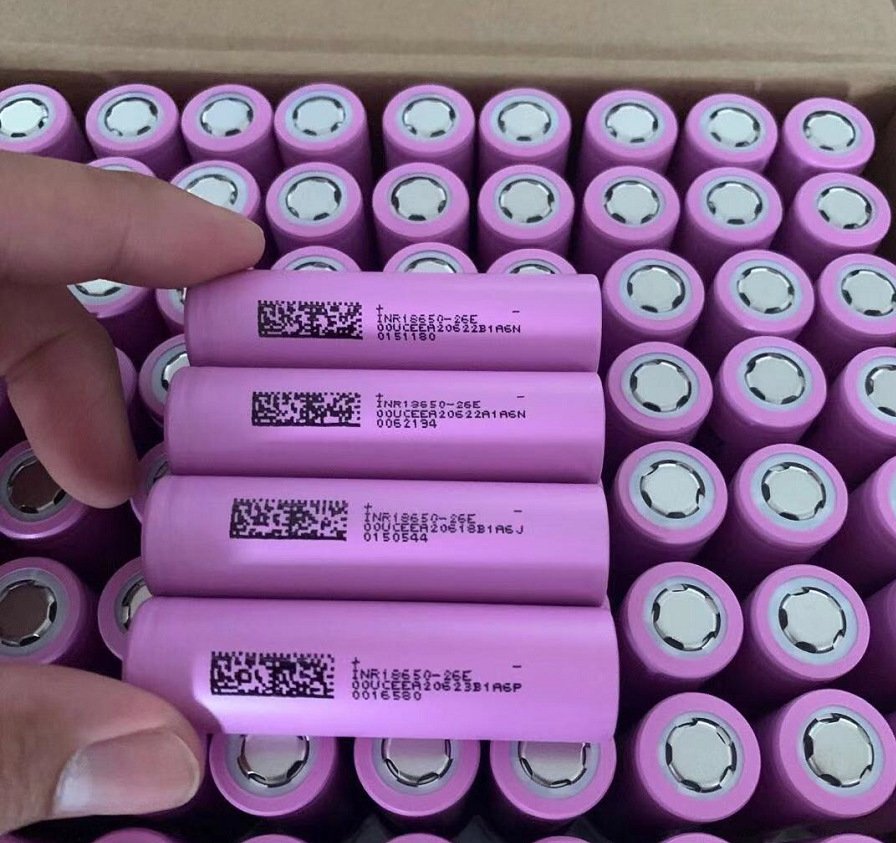
CNS BATTERY employs advanced cylindrical cell technology optimized for low internal resistance performance. Through precision electrode coating, enhanced electrolyte formulations, and optimized tab welding processes, we achieve consistent resistance values across production batches. Our manufacturing facilities implement rigorous quality control, ensuring every cell meets specified impedance targets before assembly.
For engineers evaluating battery suppliers, we recommend reviewing our comprehensive cylindrical battery cell portfolio, which details specifications including DC internal resistance (DCIR), AC impedance, and discharge curves under various load conditions.
Selection Criteria for Drone Battery Procurement
Technical purchasers should consider the following parameters when specifying low internal resistance batteries:
- DCIR Values: Request measured resistance at 1kHz and DC discharge conditions
- Temperature Coefficients: Understand how resistance varies across operating temperatures
- Cycle Life Data: Verify resistance growth over extended cycling
- Consistency Metrics: Evaluate cell-to-cell resistance variation within packs
- Safety Certifications: Ensure compliance with UN38.3, IEC62133, and applicable aviation standards
Partnering with established battery manufacturers in China provides access to competitive pricing without sacrificing technical support or quality assurance. CNS BATTERY offers full documentation including test reports, material declarations, and custom pack design services.
Conclusion
Low internal resistance battery technology represents a fundamental advancement for professional drone operations. By reducing energy loss, improving thermal performance, and enabling higher power delivery, these cells unlock new operational capabilities across commercial, industrial, and recreational segments. CNS BATTERY remains committed to delivering engineered solutions that meet the evolving demands of the global drone industry.
For technical consultations, custom specifications, or volume procurement inquiries, please visit our contact page to connect with our engineering team. We support partners worldwide with responsive service, transparent communication, and performance-driven battery solutions.