18650 Battery Guide – BMS Compatibility Solved for Power Tools
Introduction
The 18650 lithium-ion battery remains the industry standard for power tool applications, delivering optimal balance between energy density, discharge capability, and cost efficiency. However, BMS (Battery Management System) compatibility represents the critical factor determining pack performance, safety, and longevity. For B2B manufacturers and integrators, understanding BMS compatibility requirements is essential for developing reliable power tool battery solutions that meet market demands.
Core BMS Compatibility Requirements
Voltage Matching and Cell Configuration
BMS voltage ratings must align precisely with your 18650 cell configuration. For power tools, common configurations include 3S (11.1V), 4S (14.4V), and 5S (18.5V) arrangements. The BMS overcharge protection threshold typically ranges from 4.25V to 4.30V per cell, while over-discharge protection activates between 2.5V to 3.0V. Mismatched voltage parameters cause premature protection triggering or cell damage.
Current Rating Alignment
Power tools demand high discharge currents, often exceeding 20A continuously with peak bursts reaching 40-60A. Your BMS must support these current requirements without thermal throttling. Select BMS units with continuous discharge ratings 20% above your maximum expected load to ensure reliable operation under demanding conditions.
Communication Protocol Integration
Modern power tool systems increasingly require smart BMS features including SOC (State of Charge) reporting, temperature monitoring, and fault diagnostics. Ensure BMS communication protocols (I2C, SMBus, UART) integrate seamlessly with your tool’s control system for optimal user experience and safety monitoring.
Power Tool-Specific Technical Considerations
Thermal Management
Power tool applications generate significant heat during operation. BMS must incorporate accurate temperature sensing with protection thresholds typically set between 60°C to 70°C for charging and 70°C to 80°C for discharging. Proper thermal coupling between BMS sensors and battery cells ensures accurate temperature monitoring.
Vibration and Mechanical Stress
Power tools operate in high-vibration environments. BMS PCB design must include conformal coating, reinforced solder joints, and mechanical mounting provisions to withstand continuous vibration without connection failures.
Cell Balancing Requirements
Active or passive cell balancing maintains pack longevity. For power tools, passive balancing with 50-100mA balancing current suffices for most applications. Active balancing becomes necessary for high-capacity packs exceeding 5Ah total capacity.
Implementation Best Practices
Pre-Integration Testing
Conduct comprehensive compatibility testing before production integration:
- Verify BMS protection thresholds match cell specifications
- Test communication protocols under load conditions
- Validate thermal performance across operating temperature ranges
- Confirm mechanical fit within battery housing constraints
Quality Supplier Selection
Partner with established battery manufacturers in China who provide technical support throughout integration. Reliable suppliers offer BMS-cell matching services, reducing compatibility risks and accelerating time-to-market.
Cell Quality Foundation
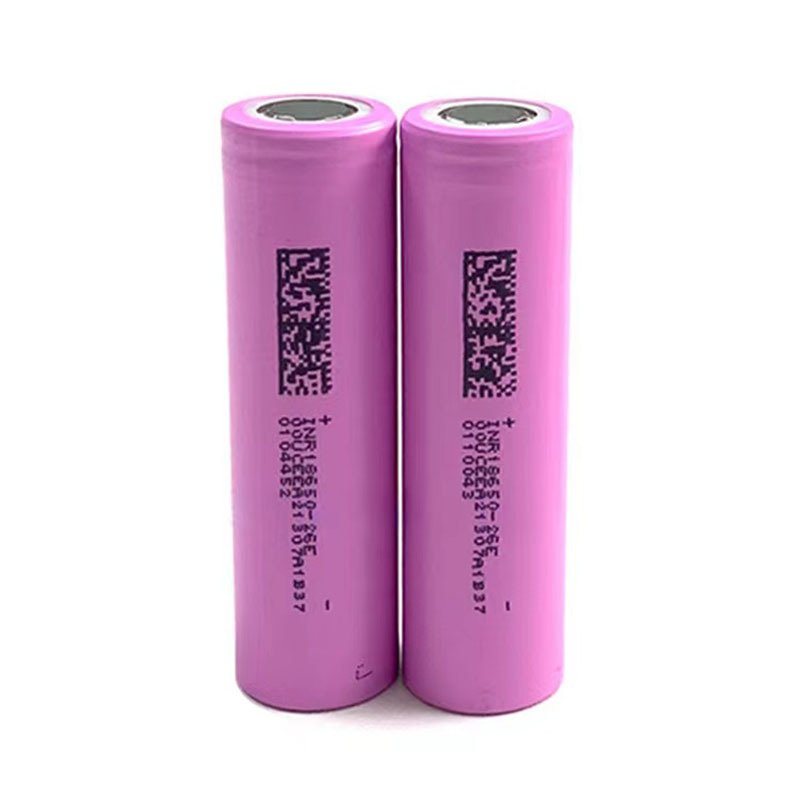
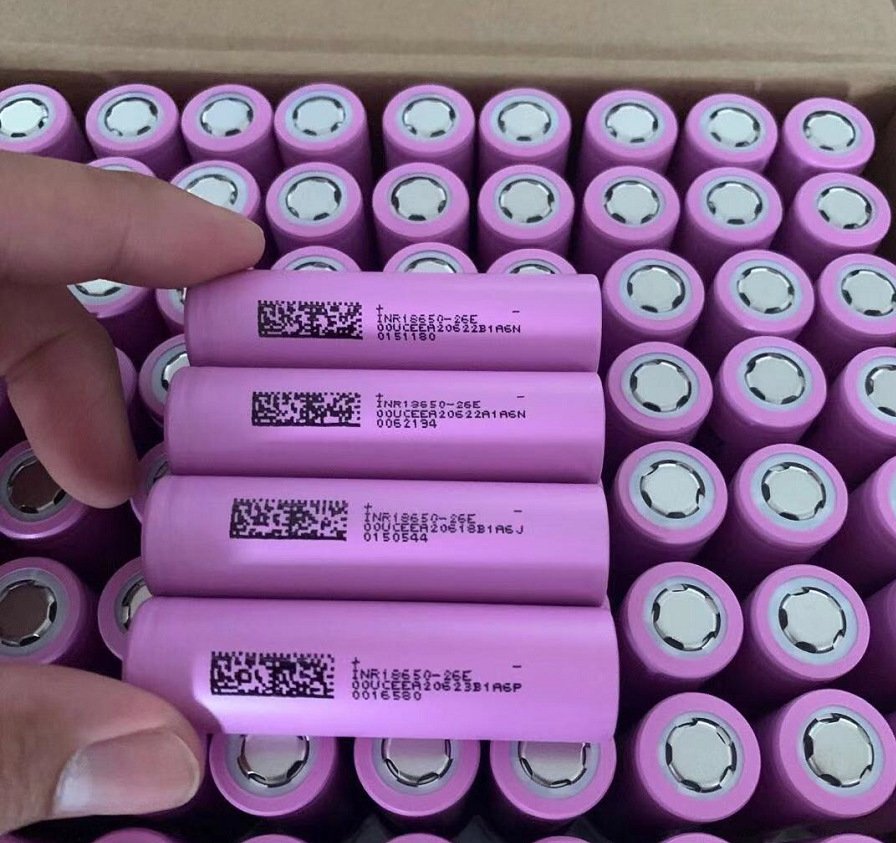
BMS performance depends fundamentally on cell quality consistency. Source cylindrical battery cells from verified manufacturers with tight capacity and internal resistance tolerances (±3% capacity, ±5mΩ IR). Cell mismatch forces BMS into frequent balancing cycles, reducing efficiency and lifespan.
Common Compatibility Issues and Solutions
| Issue | Root Cause | Solution |
|---|---|---|
| Premature shutdown | BMS current rating insufficient | Upgrade to higher current BMS |
| Uneven cell wear | Poor cell matching | Implement stricter cell selection criteria |
| Communication failures | Protocol mismatch | Verify firmware compatibility |
| Thermal throttling | Inadequate heat dissipation | Improve thermal interface design |
Conclusion
BMS compatibility determines power tool battery pack success. By understanding voltage matching, current requirements, communication protocols, and environmental considerations, manufacturers can develop reliable 18650 battery solutions that meet professional user expectations. Partner with experienced suppliers who provide comprehensive technical support throughout your development process.
For detailed technical consultation and customized battery solutions, contact our engineering team to discuss your specific power tool application requirements. Our expertise in 18650 cell selection, BMS integration, and pack design ensures optimal performance for your power tool battery programs.
This guide provides foundational knowledge for B2B battery pack developers. Specific applications may require additional engineering analysis based on tool specifications, usage patterns, and regulatory requirements.