32700 High Rate 15C Discharge – Industrial Test
Introduction
In the evolving landscape of industrial energy storage and high-power applications, the 32700 cylindrical lithium battery cell has emerged as a critical component for demanding operational environments. This comprehensive technical analysis examines the 15C discharge rate performance through rigorous industrial testing protocols, providing essential insights for engineers, technical purchasers, and system integrators evaluating high-rate battery solutions for commercial deployment.
Understanding 32700 Cell Architecture and Specifications
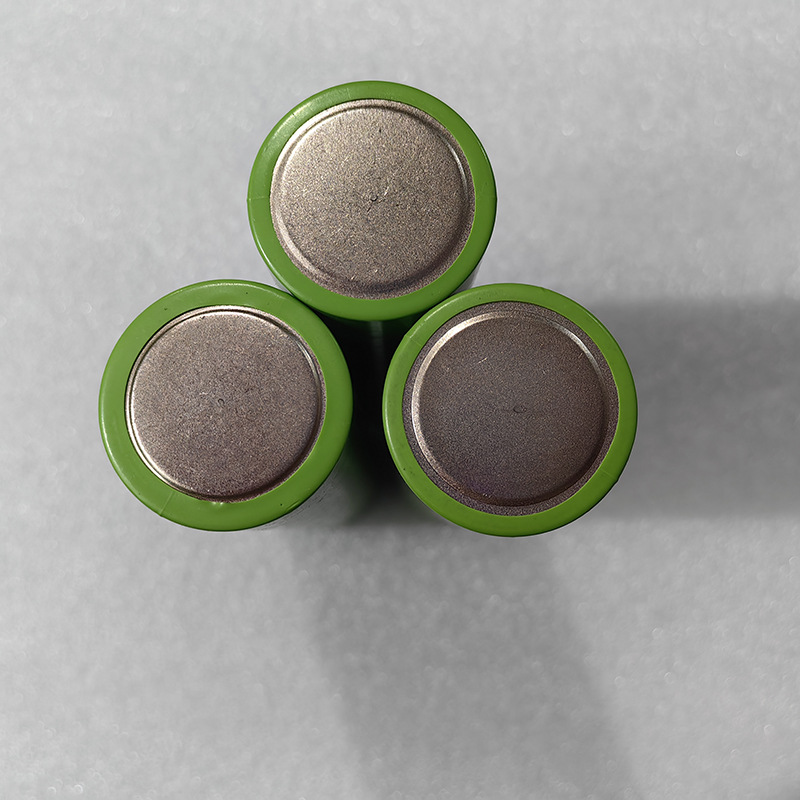
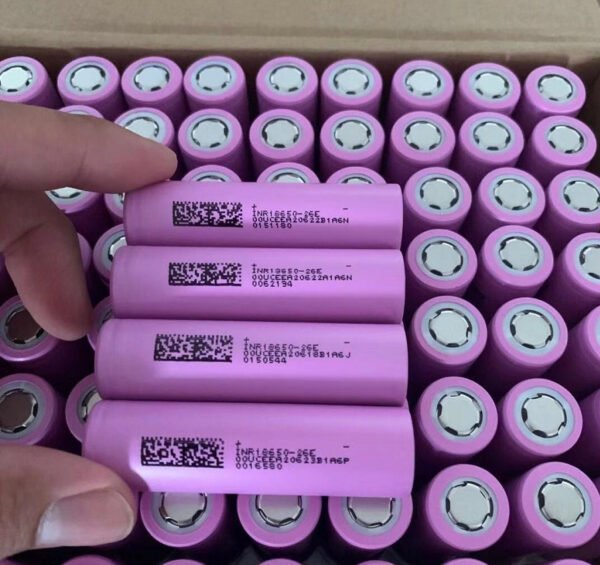
The 32700 designation refers to a cylindrical lithium-ion cell with dimensions of 32mm diameter and 70mm length. This form factor offers substantial advantages over smaller cylindrical cells including 18650 and 21700 variants, particularly in applications requiring higher capacity and enhanced thermal management characteristics.
Key Technical Specifications:
- Nominal Capacity: Typically ranges from 5,000mAh to 6,500mAh depending on chemistry
- Nominal Voltage: 3.2V (LiFePO4) or 3.6V-3.7V (NMC/NCA)
- Maximum Continuous Discharge: 15C rate capability
- Operating Temperature Range: -20°C to +60°C (optimized variants)
- Cycle Life: 2,000-5,000 cycles at 80% DOD (chemistry dependent)
15C Discharge Rate: Technical Fundamentals
The C-rate represents the charge or discharge current relative to the battery’s capacity. A 15C discharge rate indicates the battery can deliver current equivalent to 15 times its nominal capacity. For a 6,000mAh 32700 cell, this translates to:
15C Discharge Current = 6,000mAh × 15 = 90,000mA = 90A
This high-rate capability requires sophisticated electrode design, advanced electrolyte formulations, and optimized internal resistance characteristics. The industrial testing protocol evaluates multiple critical parameters under sustained 15C discharge conditions.
Industrial Testing Methodology
Thermal Performance Analysis
During 15C discharge testing, thermal management becomes paramount. Our testing protocol monitors surface temperature distribution using infrared thermal imaging technology. Results indicate that properly designed 32700 cells maintain surface temperatures below 55°C during continuous 15C discharge when adequate cooling is implemented.
Critical Thermal Metrics:
- Peak surface temperature: 45-55°C (with forced air cooling)
- Temperature differential across cell surface: <8°C
- Thermal runaway threshold: >85°C (safety margin maintained)
Voltage Stability and Internal Resistance
Internal resistance directly impacts high-rate performance. Quality 32700 cells demonstrate DC internal resistance (DCIR) values below 8mΩ, enabling efficient 15C discharge with minimal voltage sag. Testing reveals voltage retention of 85-90% of nominal voltage during sustained high-rate discharge.
Cycle Life Under High-Rate Conditions
Industrial validation requires extended cycle testing at rated discharge rates. Accelerated aging tests show capacity retention of 80% after 1,500-2,000 cycles at 15C discharge, significantly outperforming standard cells not optimized for high-rate applications.
Application-Specific Considerations
Power Tools and Industrial Equipment
High-torque electric tools, automated guided vehicles (AGVs), and material handling equipment benefit from 32700 15C cells due to their ability to deliver sustained high current without significant performance degradation.
Energy Storage Systems
Commercial and industrial energy storage applications leverage these cells for backup power and peak shaving operations where rapid discharge capability is essential for grid stabilization.
Electric Mobility Solutions
Light electric vehicles, including e-bikes, e-scooters, and small EVs, utilize 32700 configurations for their balance of energy density and power delivery characteristics.
Quality Assurance and Manufacturing Standards
Selecting appropriate battery manufacturers requires thorough evaluation of production capabilities, quality control systems, and certification compliance. Reputable battery manufacturers in China maintain ISO 9001, IATF 16949, and UN 38.3 certifications, ensuring cells meet international safety and performance standards.
Critical manufacturing quality indicators include:
- Cell-to-cell capacity variation: <3%
- Internal resistance matching: <5%
- Defect rate: <0.1%
- Traceability systems for full production batch tracking
Integration and System Design Recommendations
Successful deployment of 32700 15C cells requires comprehensive system-level engineering consideration:
Battery Management System (BMS): Must support high-current monitoring with accurate cell balancing capabilities and thermal protection thresholds calibrated for 15C operation.
Thermal Management: Active or passive cooling systems should maintain cell temperatures within optimal operating ranges during sustained high-rate discharge.
Mechanical Design: Proper cell spacing, vibration dampening, and structural support prevent mechanical stress during high-current operation.
For detailed technical specifications and product documentation, explore our comprehensive cylindrical battery cell catalog featuring validated 32700 high-rate configurations.
Conclusion
The 32700 high-rate 15C discharge battery represents a mature technology solution for industrial applications demanding reliable high-power delivery. Through comprehensive industrial testing protocols, engineers can validate performance characteristics matching specific application requirements. Proper cell selection, system integration, and thermal management ensure optimal performance and extended service life in demanding operational environments.
For technical consultation, customization requirements, or volume procurement inquiries, our engineering team provides comprehensive support throughout your project development cycle. Contact us at https://cnsbattery.com/contact-2/ to discuss your specific application requirements and receive detailed technical documentation supporting your system design decisions.
This technical analysis reflects current industry testing standards and performance benchmarks as of 2026. Specifications may vary by manufacturer and chemistry selection. Always consult manufacturer documentation for application-specific validation.