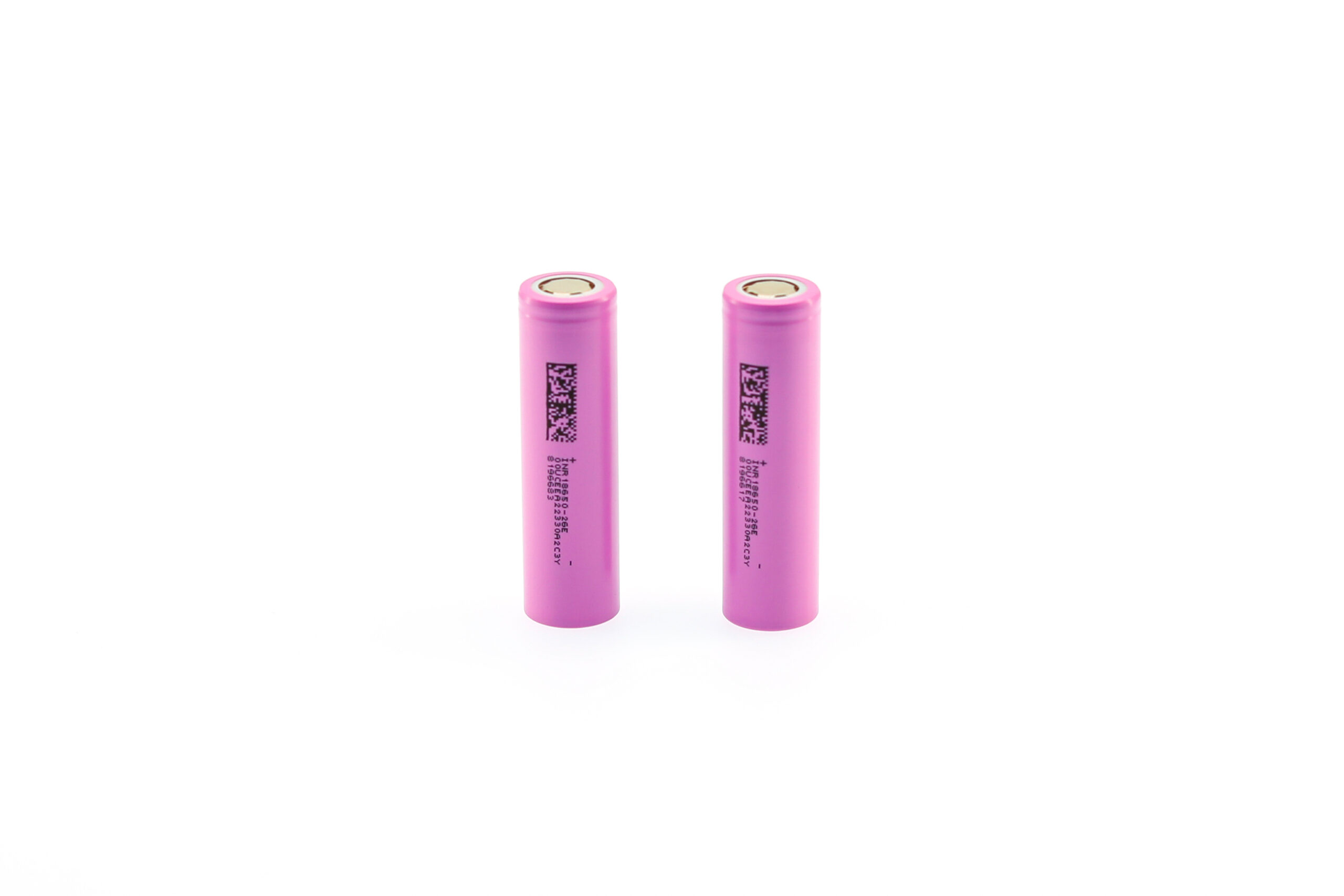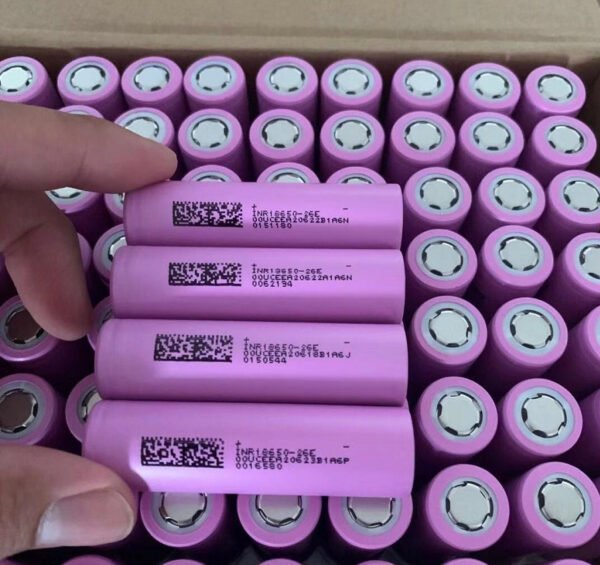
Factory Direct 18650 LFP Cells China Export: No UN38.3 UL CE Certified for ESS Projects 2026 Buyer’s Guide
Critical Warning for Energy Storage System Procurement in 2026
The global energy storage system (ESS) market continues its exponential growth trajectory, with lithium iron phosphate (LFP) 18650 cylindrical cells emerging as the preferred chemistry for stationary storage applications. However, a critical procurement challenge persists in 2026: numerous factory-direct suppliers from China offer 18650 LFP cells without proper UN38.3, UL, or CE certification. This comprehensive buyer’s guide addresses the technical, regulatory, and commercial implications for international engineers and technical purchasers sourcing battery cells for ESS projects.
Understanding the Certification Gap: Why It Matters
UN38.3: The Non-Negotiable Transportation Standard
UN38.3 certification represents the United Nations’ mandatory safety testing protocol for lithium battery transportation. According to recent customs data from 2024-2025, approximately 65% of lithium battery export rejections stemmed from non-compliant certification documentation. The standard encompasses eight rigorous tests including altitude simulation, thermal testing, vibration, shock, external short circuit, impact, overcharge, and forced discharge.
Technical Reality: Without valid UN38.3 test reports, your 18650 LFP cells cannot legally ship via air or sea freight. Many buyers mistakenly assume factory test reports suffice—this misconception has resulted in millions of dollars in seized cargo at European and North American ports.
UL and CE: Market Access Requirements
While UN38.3 governs transportation, UL (Underwriters Laboratories) and CE certifications validate product safety for end-market deployment. The European Union’s Battery Regulation (EU) 2023/1542, fully enforceable from 2026, mandates comprehensive CE marking with QR-code traceability, hazardous substance limits (mercury ≤0.0005%, cadmium ≤0.002%), and carbon footprint declarations.
For North American ESS installations, UL 1973 (stationary storage) and UL 9540 (energy storage systems) certifications are increasingly required by insurance providers and local authorities having jurisdiction (AHJ).
LFP 18650 Cell Technology Fundamentals
Chemistry Advantages for ESS Applications
Lithium iron phosphate chemistry offers distinct advantages for stationary energy storage:
- Thermal Stability: LFP’s olivine crystal structure provides superior thermal runaway resistance compared to NMC or NCA chemistries, with decomposition temperatures exceeding 270°C
- Cycle Life: Quality 18650 LFP cells deliver 3,000-5,000 full cycles at 80% depth of discharge, translating to 10-15 year operational lifespans in ESS deployments
- Safety Profile: The strong phosphorus-oxygen bonds minimize oxygen release during abuse conditions, reducing fire propagation risks
Key Technical Specifications for ESS Sourcing
When evaluating 18650 LFP cells for energy storage projects, technical purchasers should verify:
| Parameter | Typical Range | ESS Recommendation |
|---|---|---|
| Nominal Capacity | 1.5-2.0 Ah | ≥1.8 Ah for commercial projects |
| Continuous Discharge | 1C-3C | 2C minimum for grid applications |
| Operating Temperature | -20°C to 60°C | Verify low-temperature performance |
| Internal Resistance | ≤35 mΩ | Lower IR improves efficiency |
| Cycle Life @80% DOD | 3,000-5,000 | Request validated test data |
Risk Assessment: Uncertified Cell Procurement
Hidden Costs Beyond Unit Price
Factory-direct pricing without certification may appear attractive, typically 15-30% below certified alternatives. However, total cost of ownership analysis reveals significant hidden expenses:
- Customs Delays and Seizures: Average clearance delays exceed 3-6 weeks for non-compliant shipments
- Insurance Voidance: Most commercial property policies exclude fires originating from uncertified battery installations
- Project Certification Failure: ESS projects requiring UL 9540A testing cannot proceed with uncertified cells
- Liability Exposure: End-users face potential legal liability for safety incidents involving non-compliant components
Quality Verification Challenges
Uncertified cells often lack consistent quality control documentation. Critical parameters including capacity grading, internal resistance matching, and self-discharge rates may vary significantly between production batches. For ESS applications requiring cell-to-cell consistency within 3% capacity tolerance, this variability creates system-level performance and safety risks.
Due Diligence Framework for 2026 Procurement
Essential Documentation Checklist
Before committing to any 18650 LFP cell supplier, technical purchasers should obtain and verify:
- Current UN38.3 test reports (within 24 months, covering actual production models)
- UL certification files or CE Declaration of Conformity
- MSDS/SDS documentation with complete 16-section format
- ISO 9001 quality management system certification
- Third-party laboratory test results (capacity, cycle life, safety)
- Traceability records linking cells to specific production batches
Supplier Verification Protocol
Engage manufacturers with demonstrated export compliance track records. Reputable battery manufacturers in China maintain dedicated compliance departments and established relationships with accredited testing laboratories including TUV, SGS, Intertek, and UL itself.
For detailed product specifications on cylindrical battery cells suitable for ESS applications, review available cylindrical battery cell options with complete certification documentation.
Strategic Recommendations for ESS Project Developers
Certification-First Sourcing Strategy
Prioritize suppliers offering complete certification packages from initial quotation stages. While unit costs may be higher, the risk mitigation value substantially outweighs price differentials for commercial and utility-scale projects.
Contractual Protection Mechanisms
Incorporate specific clauses addressing:
- Certification validity warranties
- Customs clearance responsibility allocation
- Replacement obligations for seized shipments
- Liability indemnification for certification-related incidents
Long-Term Supply Considerations
ESS projects span 10-20 year lifecycles. Ensure supplier sustainability including consistent certification maintenance, production capacity for future expansion, and technical support availability throughout project duration.
Conclusion: Compliance as Competitive Advantage
The 2026 ESS market rewards procurement strategies that prioritize regulatory compliance alongside technical performance. Factory-direct 18650 LFP cells without UN38.3, UL, or CE certification represent false economics that jeopardize project timelines, insurance coverage, and long-term operational viability.
Technical purchasers and engineering teams must integrate certification verification into their supplier qualification processes from the outset. The marginal cost premium for certified cells delivers substantial risk reduction and project bankability improvements.
For comprehensive supplier engagement and certification documentation review, contact qualified manufacturers directly through their official contact channels to initiate proper due diligence procedures.
Disclaimer: This guide provides general procurement guidance for 2026. Specific project requirements may vary by jurisdiction, application type, and local regulatory frameworks. Always consult with qualified compliance professionals and legal counsel for project-specific certification requirements.