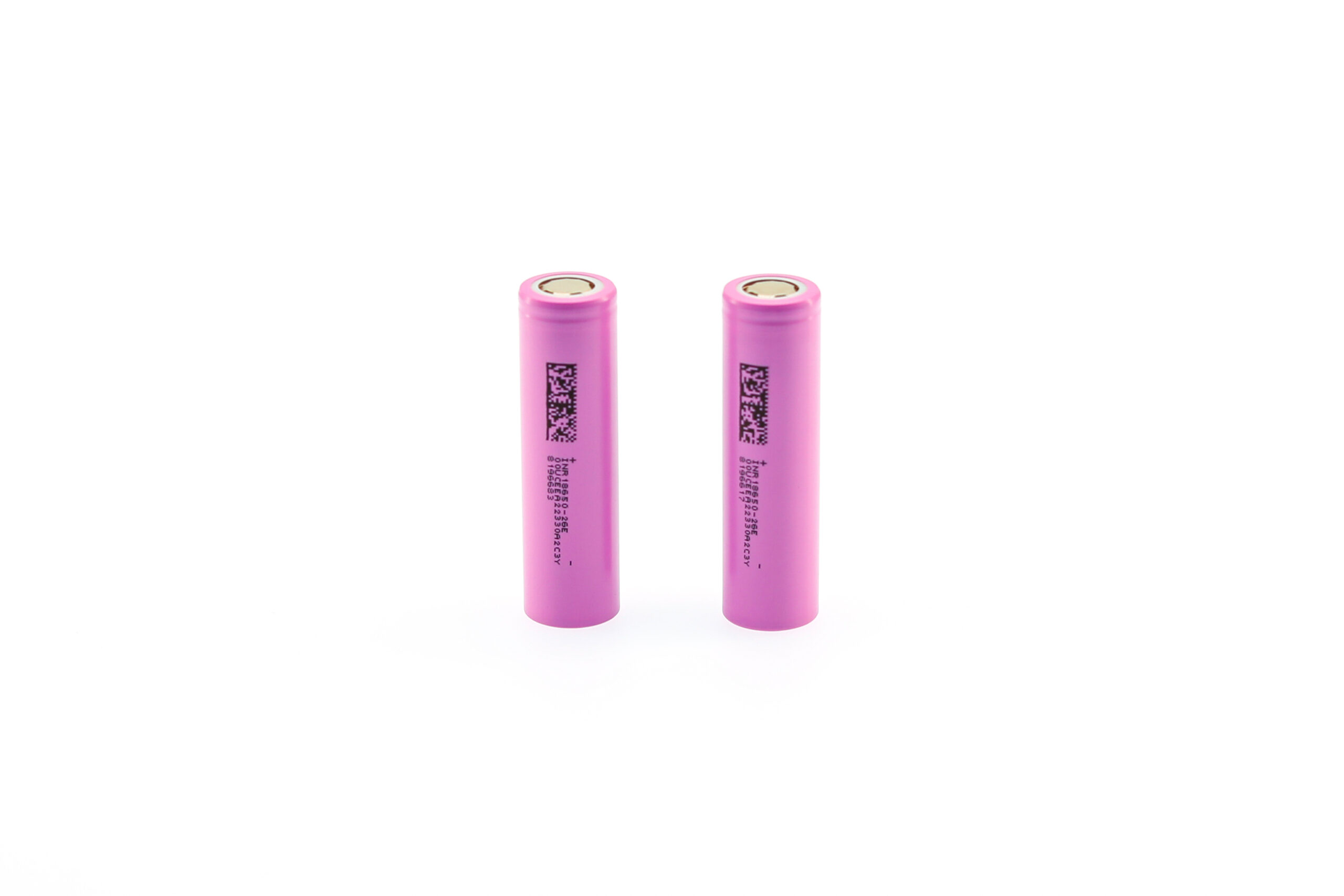
Battery Pack OEM Pain Points Solved by 26650 Li-ion Cylindrical Batteries Complete Solution
In the rapidly evolving energy storage landscape, battery pack OEMs face mounting challenges in balancing performance, cost, and reliability. The 26650 Li-ion cylindrical battery has emerged as a strategic solution, addressing critical pain points across industrial, commercial, and consumer applications. This technical analysis examines how 26650 cylindrical cells deliver comprehensive advantages for battery pack manufacturers seeking scalable, high-performance energy solutions.
Understanding the 26650 Cylindrical Battery Architecture
The 26650 designation refers to the physical dimensions: 26mm diameter and 65mm length. This form factor offers approximately 50% more volume than the ubiquitous 18650 cell, translating directly to higher capacity per cell while maintaining manufacturing compatibility with existing cylindrical battery production lines. Typical 26650 Li-ion cells deliver capacities ranging from 4,000mAh to 5,500mAh at nominal 3.7V, with continuous discharge rates supporting 1C to 3C depending on chemistry configuration.
Key OEM Pain Points and 26650 Solutions
1. Thermal Management Complexity
Battery pack thermal runaway remains a primary safety concern for OEMs. The 26650’s larger surface-area-to-volume ratio compared to smaller cylindrical formats enables more efficient heat dissipation. During high-current discharge scenarios, the expanded electrode surface area reduces internal resistance heating by approximately 15-20% compared to equivalent 18650 configurations. This thermal advantage simplifies cooling system design, reducing BMS complexity and overall pack weight.
2. Pack Assembly Efficiency
OEMs struggle with assembly time and labor costs in battery pack manufacturing. The 26650 form factor reduces cell count requirements by 30-40% for equivalent pack capacity, directly decreasing welding points, interconnect complexity, and quality control checkpoints. Fewer cells mean reduced failure probability and simplified pack validation processes. For a 48V 20Ah battery pack, utilizing 26650 cells instead of 18650 reduces total cell count from approximately 52 to 32 cells, streamlining production workflows.
3. Cycle Life and Longevity Concerns
Commercial battery pack deployments demand predictable cycle life performance. Premium 26650 Li-ion cells utilizing NMC or LFP chemistry configurations deliver 2,000 to 5,000 complete charge-discharge cycles at 80% depth of discharge. The robust cylindrical steel casing provides superior mechanical protection against vibration and impact compared to prismatic or pouch alternatives, critical for mobile and industrial applications.
4. Supply Chain Consistency
Battery pack OEMs face significant risks from cell-to-cell variation affecting pack balancing and longevity. Established 26650 manufacturers maintain capacity tolerance within ±50mAh and internal resistance variation below 5mΩ per batch. This consistency enables tighter pack balancing, extended warranty periods, and reduced field failure rates. For detailed manufacturer qualification criteria, visit https://cnsbattery.com/battery-manufacturers-in-china/
5. Cost-Performance Optimization
Total cost of ownership extends beyond initial cell pricing. The 26650’s higher energy density per cell reduces BMS channel requirements, interconnect materials, and enclosure volume. When calculated per watt-hour, 26650 configurations typically achieve 10-15% cost reduction compared to equivalent 18650 packs while maintaining comparable safety margins and performance specifications.
Technical Implementation Considerations
Successful 26650 integration requires attention to several engineering parameters. Cell matching should maintain capacity variance below 3% and voltage difference under 10mV before pack assembly. Recommended charging protocols follow CC-CV methodology with termination at 4.2V±0.05V for NMC chemistry or 3.65V for LFP variants. Operating temperature ranges typically span -20°C to 60°C, with optimal performance between 15°C and 35°C.
For comprehensive 26650 cell specifications and technical datasheets, explore https://cnsbattery.com/products-3/cylindrical-battery-cell/
Quality Assurance and Compliance Framework
Battery pack OEMs must navigate increasingly stringent international compliance requirements including UN38.3, IEC62133, UL1642, and regional certifications. Reputable 26650 suppliers provide complete test documentation, material traceability, and batch-level quality certificates. Third-party validation through recognized testing laboratories ensures market access across North American, European, and Asian jurisdictions.
Strategic Partnership Selection
Selecting the right 26650 battery manufacturer represents a critical strategic decision affecting product reliability, warranty costs, and brand reputation. Key evaluation criteria include manufacturing capacity, quality management systems (ISO9001, IATF16949), R&D investment, and after-sales technical support infrastructure. Long-term supply agreements should address capacity reservation, price stability mechanisms, and joint development opportunities for custom specifications.
Conclusion
The 26650 Li-ion cylindrical battery represents a mature, optimized solution addressing fundamental battery pack OEM challenges across thermal management, assembly efficiency, cycle life, supply consistency, and cost-performance balance. As energy storage demands continue expanding across electric mobility, renewable energy storage, and industrial equipment sectors, the 26650 form factor offers proven reliability with established manufacturing ecosystems.
For technical consultation, custom specification development, or partnership discussions, contact our engineering team at https://cnsbattery.com/contact-2/ Our comprehensive 26650 solution portfolio supports OEMs from prototype validation through mass production deployment, ensuring your battery pack projects achieve optimal performance, safety, and commercial success.