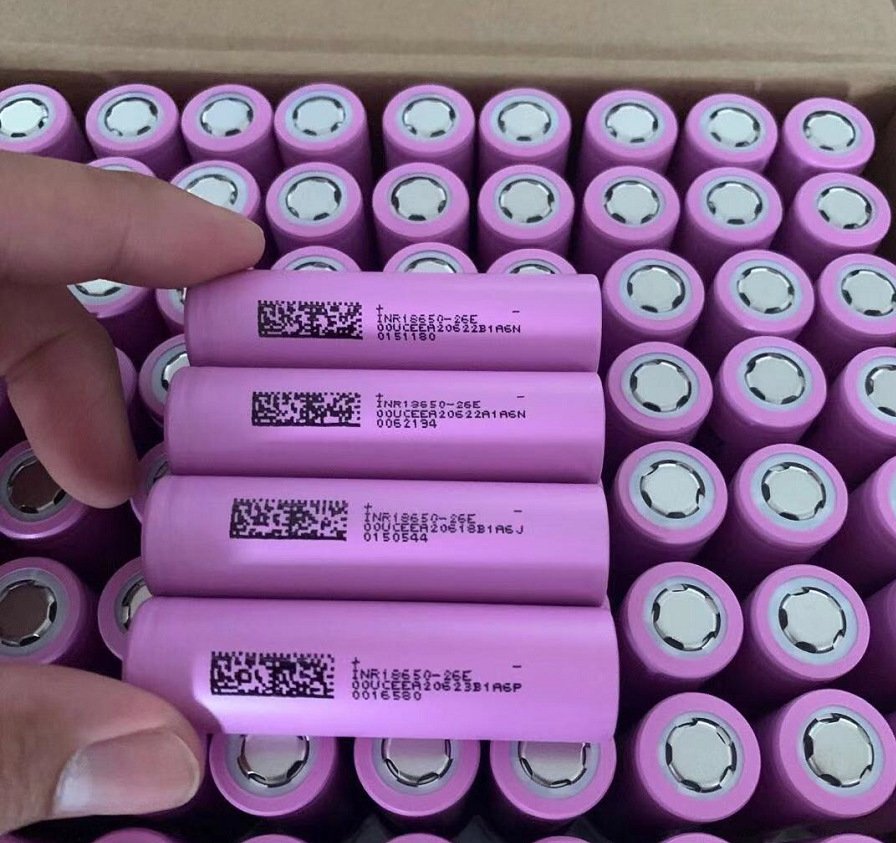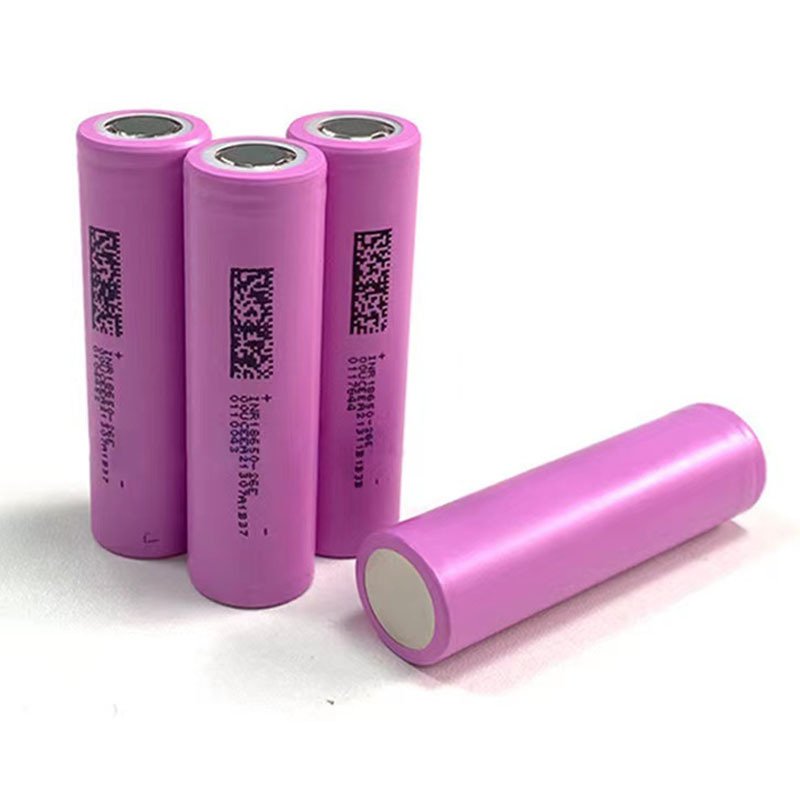
Extended Warranty 18650 LFP Cells for Power Tools – Complete Solution
The power tool industry is experiencing a significant shift toward lithium iron phosphate (LFP) chemistry, particularly in 18650 cylindrical cell formats. This transition addresses critical demands for extended warranty periods, enhanced safety, and long-term reliability in professional-grade applications. Understanding the technical advantages of 18650 LFP cells helps engineers and procurement specialists make informed decisions for their power tool designs.
Why 18650 LFP Cells Outperform Traditional Chemistries
Lithium iron phosphate batteries offer distinct advantages over conventional NMC or NCA chemistries when deployed in power tool applications. The olivine crystal structure of LFP provides exceptional thermal stability, reducing thermal runaway risks during high-current discharge cycles typical in drilling, cutting, and fastening operations.
Cycle Life Superiority: 18650 LFP cells consistently deliver 2,000-5,000 full charge cycles while maintaining 80% capacity retention. This translates to 3-5 years of professional daily use, directly supporting extended warranty commitments manufacturers want to offer their end customers.
Safety Characteristics: The P-O bond strength in LFP chemistry requires significantly more energy to break compared to layered oxide cathodes. This intrinsic safety feature reduces warranty claims related to battery failures and enhances brand reputation in competitive markets.
Technical Specifications for Power Tool Integration
When selecting 18650 LFP cells for power tool platforms, engineers must evaluate several critical parameters:
| Parameter | Typical Range | Application Impact |
|---|---|---|
| Nominal Capacity | 1,500-2,000 mAh | Runtime per charge |
| Continuous Discharge | 20-45A | Tool power output |
| Pulse Discharge | 60-100A (3-5s) | Peak torque delivery |
| Operating Temperature | -20°C to 60°C | Job site versatility |
| Internal Resistance | ≤35 mΩ | Efficiency & heat generation |
Cell matching within battery packs remains essential for maximizing warranty periods. Voltage deviation should not exceed 5mV after formation, and capacity grouping tolerance must stay within 2% for optimal pack longevity.
Extended Warranty Implementation Strategy
Offering extended warranties on power tool battery systems requires comprehensive quality validation. Manufacturers should implement multi-stage testing protocols including:
- Incoming Cell Verification: Validate capacity, impedance, and self-discharge rates before pack assembly
- BMS Integration Testing: Ensure protection circuits respond appropriately to over-current, over-temperature, and short-circuit conditions
- Environmental Stress Screening: Subject completed packs to temperature cycling, vibration, and humidity exposure
- Field Performance Monitoring: Track warranty claims data to identify potential cell batch issues early
Partnering with established battery manufacturers in China provides access to production facilities with ISO 9001 and IATF 16949 certifications, ensuring consistent quality across production volumes.
Cost-Benefit Analysis for Procurement Teams
While 18650 LFP cells may carry a 10-15% premium over standard lithium-ion alternatives, the total cost of ownership favors LFP for professional power tool segments. Reduced warranty claims, lower replacement frequencies, and enhanced customer satisfaction generate measurable ROI within 18-24 months.
Procurement specialists should evaluate suppliers based on:
- Production capacity and lead time consistency
- Technical support availability for integration challenges
- Warranty claim processing efficiency
- Traceability systems for cell batch tracking
For detailed product specifications on cylindrical battery options, visit our cylindrical battery cell catalog to compare technical data sheets across available configurations.
Supply Chain Considerations for 2026
Global battery supply chains continue evolving with regional manufacturing preferences. Chinese production facilities offer competitive advantages in LFP cell manufacturing due to established phosphate material supply chains and scaled production infrastructure. However, procurement teams must verify supplier compliance with applicable import regulations and sustainability standards.
Lead times for custom 18650 LFP configurations typically range from 8-12 weeks for initial orders, with established partnerships reducing this to 4-6 weeks for recurring purchases. Maintaining buffer inventory equivalent to 6-8 weeks of production helps mitigate supply disruption risks.
Conclusion
The adoption of 18650 LFP cells for power tools represents a strategic investment in product reliability and customer satisfaction. Extended warranty programs become financially viable when backed by LFP chemistry’s proven cycle life and safety characteristics. Engineering teams gain design flexibility while procurement organizations achieve predictable total cost of ownership.
For technical consultations regarding 18650 LFP cell integration or warranty program development, contact our team to discuss your specific application requirements. The complete solution extends beyond cell selection to encompass comprehensive support throughout your product lifecycle.
Professional power tool manufacturers who transition to 18650 LFP platforms position themselves competitively in markets where reliability and warranty coverage influence purchasing decisions. The technical advantages translate directly to commercial benefits, making this chemistry choice increasingly standard across the industry.