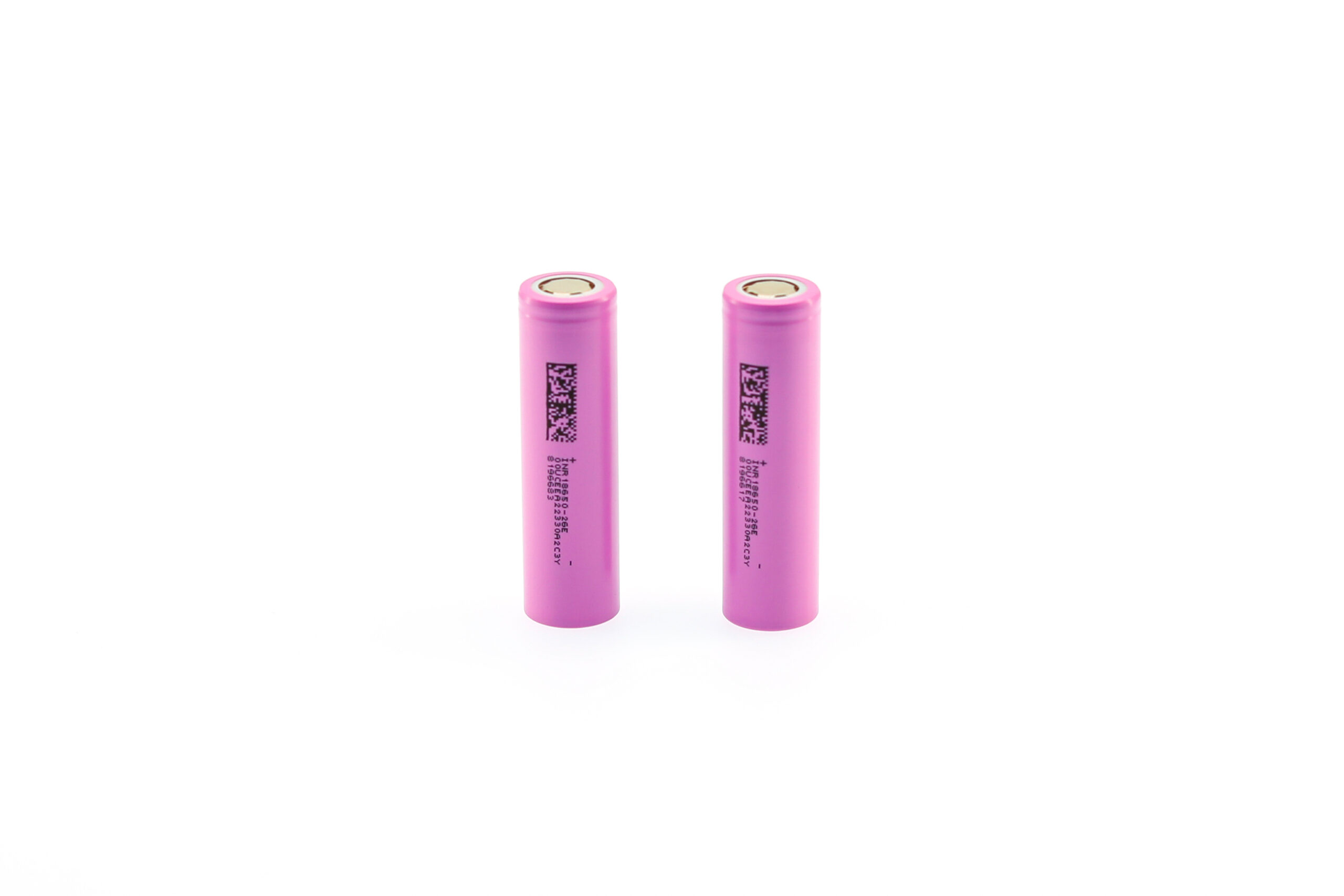
High Energy Density 18650 LFP Cells for EV – Factory Direct
The electric vehicle (EV) industry continues to demand battery solutions that balance performance, safety, and cost-effectiveness. Among various lithium-ion chemistries, 18650 LFP (Lithium Iron Phosphate) cells have emerged as a compelling choice for EV applications. This article examines the technical advantages, market dynamics, and procurement considerations for sourcing high energy density 18650 LFP cells directly from manufacturers.
Understanding LFP Battery Chemistry
LFP batteries utilize LiFePO₄ as the cathode material, featuring an olivine crystal structure that provides exceptional thermal and chemical stability. During charging and discharging, lithium ions migrate between the cathode and anode through the electrolyte, while electrons flow through the external circuit to power the vehicle.
The working voltage of LFP cells typically ranges around 3.2V nominal, with full charge at approximately 3.65V and discharge cutoff near 2.5V. Unlike NMC or NCA chemistries, LFP batteries do not contain cobalt or nickel, reducing material costs and supply chain risks. The strong phosphorus-oxygen bonds in the crystal structure prevent oxygen release during thermal events, significantly enhancing safety profiles.
Energy Density Advancements in 18650 Format
The 18650 cylindrical format (18mm diameter × 65mm length) remains widely adopted due to mature manufacturing processes and excellent heat dissipation characteristics. While traditional LFP cells offered lower gravimetric energy density (90-120 Wh/kg) compared to ternary alternatives, recent technological breakthroughs have pushed these figures to 140-160 Wh/kg through:
- Particle size optimization of cathode materials
- Advanced coating technologies improving conductivity
- Silicon-composite anodes increasing capacity
- Enhanced electrolyte formulations with film-forming additives
For EV manufacturers, these improvements translate to extended driving ranges without compromising the inherent safety advantages of LFP chemistry.
Key Performance Parameters for EV Applications
When evaluating 18650 LFP cells for electric vehicle integration, technical teams should prioritize the following specifications:
| Parameter | Typical Value | Importance |
|---|---|---|
| Nominal Capacity | 2,500-3,500 mAh | Determines pack energy |
| Continuous Discharge | 3C-5C | Affects acceleration performance |
| Cycle Life | 3,000-5,000 cycles | Impacts total cost of ownership |
| Operating Temperature | -20°C to 60°C | Ensures all-weather reliability |
| DC Internal Resistance | <35 mΩ | Influences efficiency and heat generation |
LFP cells demonstrate superior cycle stability compared to NMC counterparts. Aging mechanisms primarily involve iron ion dissolution, resulting in gradual, predictable capacity fade rather than the abrupt degradation observed in high-nickel chemistries under high-voltage conditions.
Factory Direct Procurement Benefits
Sourcing 18650 LFP cells directly from manufacturers offers significant advantages for EV OEMs and system integrators:
Cost Efficiency: Eliminating distributor markups reduces per-cell costs by 15-25%, critical for high-volume EV production where battery packs represent 30-40% of vehicle cost.
Quality Control: Direct engagement enables customized specifications, rigorous incoming inspection protocols, and traceability throughout the supply chain.
Technical Support: Factory engineering teams provide application-specific guidance on pack design, thermal management, and BMS integration.
Supply Security: Long-term supply agreements with manufacturers ensure consistent availability amid growing global demand.
China has established itself as a dominant force in cylindrical battery cell manufacturing, with numerous facilities achieving IATF 16949 automotive certification. For detailed information about qualified battery manufacturers in China, procurement teams can access comprehensive supplier evaluations and capability assessments.
Integration Considerations for EV Pack Design
Successful deployment of 18650 LFP cells requires careful attention to pack architecture:
- Thermal Management: While LFP chemistry tolerates higher temperatures than NMC, maintaining cell temperatures between 15-35°C optimizes longevity and performance.
- Cell Matching: Capacity and impedance matching within modules prevents premature degradation of weaker cells.
- BMS Calibration: Voltage-SOC curves for LFP differ from ternary chemistries, requiring algorithm adjustments for accurate state estimation.
- Mechanical Design: Cylindrical cells benefit from robust end-plate compression to maintain electrode contact throughout cycling.
Engineers seeking technical specifications for cylindrical battery cells can explore detailed product documentation at cylindrical battery cell offerings, which includes performance data sheets and certification records.
Market Outlook and Strategic Sourcing
The global 18650 battery market reached approximately USD 6.1 billion in 2025, with LFP variants capturing increasing share in cost-sensitive EV segments. Industry projections indicate steady growth through 2032, driven by electric two-wheelers, entry-level passenger vehicles, and commercial fleet electrification.
For organizations evaluating long-term battery supply strategies, establishing direct manufacturer relationships proves essential. Technical teams should request sample cells for validation testing, review manufacturing audit reports, and verify compliance with UN 38.3 transportation regulations.
To initiate discussions with qualified suppliers regarding 18650 LFP cell procurement, interested parties can reach out through the contact portal for technical consultations and quotation requests.
Conclusion
High energy density 18650 LFP cells represent a mature, cost-effective solution for EV applications prioritizing safety, longevity, and total cost of ownership. As energy density improvements continue and manufacturing scales expand, factory-direct procurement models enable EV manufacturers to secure competitive advantages in an increasingly demanding market. Technical due diligence, combined with strategic supplier partnerships, positions organizations for successful battery integration and sustainable growth in the electric mobility sector.