
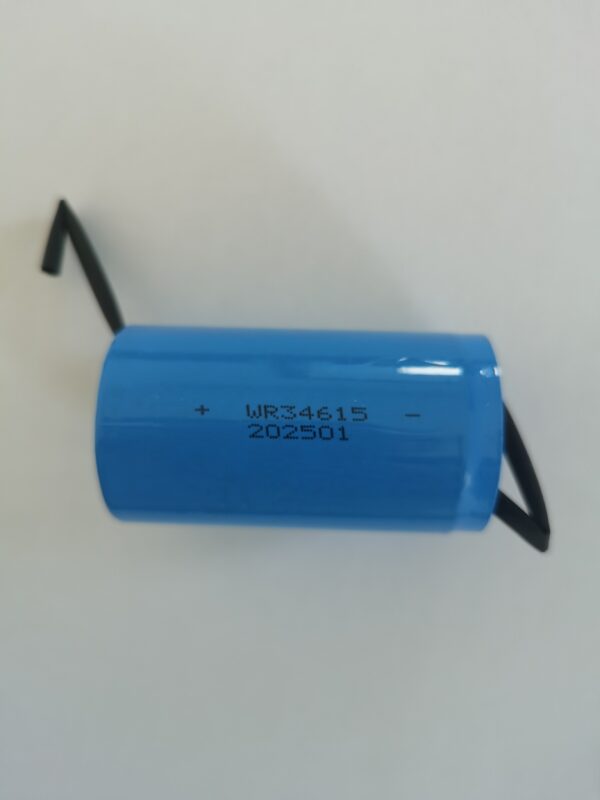
Powering Perimeter Defense: Li-SO₂ Batteries for Military Border Patrol Motion Sensors
In the realm of modern defense and security, the integrity of border patrol systems hinges on the reliability of unattended ground sensors (UGS). Among these, motion sensors serve as the first line of detection, operating in remote, often hostile environments where maintenance is logistically challenging or impossible. For system integrators and procurement officers, the choice of power source is not merely a specification check—it is a strategic decision that dictates operational uptime. Lithium Sulfur Dioxide (Li-SO₂) primary batteries have emerged as the industry standard for these critical applications, offering a unique balance of energy density, environmental resilience, and long-term stability.
The Operational Challenge in Border Security
Border patrol motion sensors are typically deployed in rugged terrains ranging from arid deserts to frozen tundras. Unlike consumer electronics, these devices cannot afford frequent battery replacements. A power failure creates a security blind spot, potentially compromising national safety. Traditional alkaline or standard lithium-ion solutions often fail under extreme temperature fluctuations or suffer from high self-discharge rates during long storage periods.
Li-SO₂ battery technology addresses these vulnerabilities directly. Designed specifically for high-drain pulses and long-duration standby, this chemistry ensures that motion sensors remain active for years without intervention. For B2B buyers in the defense sector, understanding the technical underpinnings of this power source is essential for effective system design.
Technical Advantages of Li-SO₂ Chemistry
The core benefit of Li-SO₂ batteries lies in their electrochemical stability. Operating on a lithium anode and sulfur dioxide cathode, these cells deliver a nominal voltage of 3.0V, which is higher than most primary battery chemistries. This voltage profile is crucial for motion sensors that require consistent power levels to maintain signal transmission integrity over long distances.
1. Extreme Temperature Performance
One of the most significant advantages is the operational temperature range. High-quality Li-SO₂ cells function reliably between -55°C and +70°C. In a border patrol scenario, a sensor deployed in a high-altitude mountain pass during winter or a desert region during summer faces thermal stress that would deactivate conventional batteries. Li-SO₂ chemistry maintains capacity even at low temperatures, ensuring that detection capabilities do not diminish when the mercury drops.
2. Long Shelf Life and Low Self-Discharge
Defense procurement cycles often involve stockpiling equipment for future deployment. Li-SO₂ batteries boast a shelf life of up to 10 years with minimal capacity loss. The passivation layer that forms on the lithium anode prevents corrosion and self-discharge, allowing sensors to be stored in reserve and activated immediately when needed. This feature reduces total cost of ownership by minimizing waste and replacement frequency.
3. High Pulse Capability
Motion sensors do not draw constant power; they operate in sleep mode and wake up to transmit data upon detecting movement. This requires a battery capable of delivering high current pulses without significant voltage depression. Li-SO₂ cells are engineered to handle these transient loads efficiently, ensuring that critical alert signals are transmitted without delay.
Compliance and Safety Standards
For international B2B transactions, compliance is non-negotiable. Military-grade batteries must adhere to strict transportation and safety regulations. When sourcing Li-SO₂ batteries for border patrol applications, buyers must verify compliance with UN38.3 standards for the transportation of dangerous goods. This certification ensures that the batteries can be safely shipped via air or ground freight without regulatory hurdles.
Additionally, adherence to MIL-STD specifications is often required for defense contracts. These standards validate that the battery can withstand shock, vibration, and humidity typical of military operations. Procurement teams should request test reports confirming that the battery cells meet these rigorous environmental testing protocols. Failure to verify these documents can lead to customs delays or rejection of shipments at the destination port.
Procurement Guidelines for System Integrators
Selecting the right supplier is as critical as selecting the right chemistry. When evaluating Li-SO₂ batteries for motion sensor integration, consider the following practical points:
- Voltage Stability: Request discharge curve data under pulse load conditions. Ensure the voltage remains above the sensor’s cutoff threshold throughout the battery’s life.
- Leakage Protection: Verify that the battery design includes anti-leakage features. Corrosion from battery leakage can destroy expensive sensor electronics, leading to field failures.
- Customization Options: Some deployments require specific form factors or terminal types. Work with suppliers who offer customization to fit your sensor housing without compromising safety.
- Supply Chain Consistency: Ensure the manufacturer has a stable production capacity to support long-term contracts. Defense projects often span multiple years, requiring a reliable supply chain.
Case Application: Arctic Border Monitoring
Consider a recent deployment scenario in a northern border region where temperatures frequently drop below -40°C. The initial system design utilized standard lithium-thionyl chloride cells, which suffered from voltage delay upon activation in extreme cold. By switching to optimized Li-SO₂ batteries, the system integrators observed a 30% improvement in pulse performance during winter months. The sensors maintained consistent communication intervals, reducing false negatives and enhancing overall perimeter security. This case underscores the importance of matching battery chemistry to specific environmental conditions.
Conclusion
For military border patrol motion sensors, the power source is the backbone of operational reliability. Li-SO₂ batteries provide the necessary energy density, temperature resilience, and shelf life to meet the demanding requirements of modern defense applications. By prioritizing compliance, verifying technical specifications, and partnering with reputable manufacturers, B2B buyers can ensure their security systems remain effective in any environment.
To explore our range of high-performance primary batteries tailored for defense and industrial applications, visit our product page. For specific inquiries regarding customization, compliance documentation, or bulk procurement, please contact our technical sales team via our contact page. Ensuring your perimeter defense is powered by reliable energy is not just a technical choice—it is a strategic imperative.
