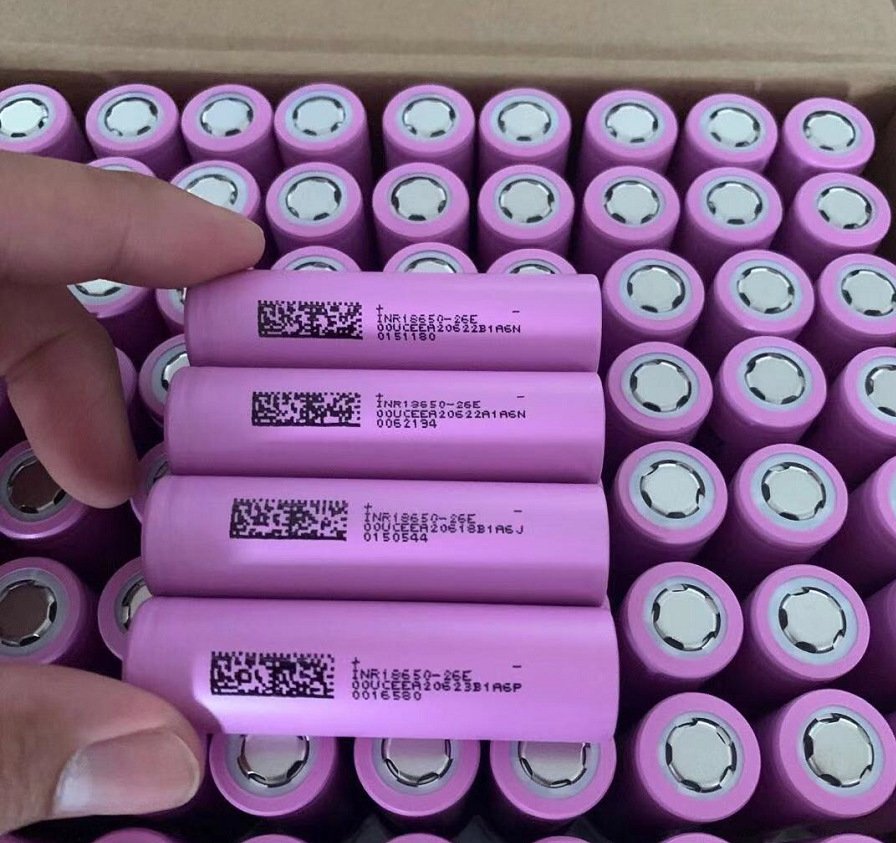
Long Cycle Life 18650 LFP Cells for Power Tools – Low Price High Quality
Introduction
The power tool industry continues to evolve rapidly, with manufacturers increasingly prioritizing battery performance, safety, and total cost of ownership. Among various lithium-ion chemistries, Lithium Iron Phosphate (LFP) 18650 cells have emerged as the optimal solution for professional-grade power tools requiring extended cycle life and reliable operation. This article examines why LFP technology delivers superior value for B2B buyers seeking long-term performance without compromising budget constraints.
Understanding LFP Battery Chemistry
Lithium Iron Phosphate batteries utilize LiFePO₄ as the cathode material, offering distinct advantages over traditional NMC or NCA chemistries. The olivine crystal structure provides exceptional thermal stability, with decomposition temperatures exceeding 270°C compared to 150°C for cobalt-based alternatives. This fundamental chemical stability translates directly into enhanced safety profiles—critical for power tools operating in demanding industrial environments.
The flat discharge voltage plateau (approximately 3.2V nominal) ensures consistent power delivery throughout the discharge cycle, enabling predictable tool performance from first use to cutoff voltage.
Core Advantages for Power Tool Applications
Extended Cycle Life
Premium 18650 LFP cells routinely achieve 2,000-5,000 full charge-discharge cycles at 80% depth of discharge, significantly outperforming conventional lithium-ion alternatives. For professional contractors operating tools daily, this translates to 3-5 years of reliable service before capacity degradation becomes noticeable. The reduced replacement frequency directly lowers total cost of ownership despite potentially higher initial investment.
Enhanced Safety Characteristics
Power tools face rigorous safety certifications including UL, CE, and IEC standards. LFP chemistry’s inherent thermal stability minimizes thermal runaway risks, reducing the need for complex battery management systems. This simplification enables more compact pack designs while maintaining compliance with international safety regulations.
Cost-Effectiveness Without Quality Compromise
LFP cells eliminate expensive cobalt and nickel from the cathode formulation, resulting in 20-30% lower raw material costs. When sourced from established manufacturers, these savings transfer directly to buyers without sacrificing performance specifications. The combination of low price and high quality makes LFP particularly attractive for high-volume procurement.
Technical Selection Criteria
When evaluating 18650 LFP cells for power tool integration, engineers should verify:
- Capacity Consistency: ±2% capacity matching within battery packs ensures balanced charging
- Internal Resistance: Values below 35mΩ minimize heat generation during high-current discharge
- Temperature Performance: Operational range of -20°C to 60°C accommodates diverse working conditions
- Certification Documentation: UN38.3, IEC62133, and MSDS certificates confirm regulatory compliance
Reputable battery manufacturers in China provide comprehensive technical documentation supporting these specifications.
Integration Considerations
Successful power tool battery pack design requires attention to cell-to-cell consistency, thermal management, and BMS compatibility. 18650 form factors offer established integration pathways with existing tool platforms, reducing redesign costs. The cylindrical geometry facilitates efficient heat dissipation compared to pouch cells, particularly important during sustained high-current operation typical of drilling and cutting applications.
For detailed product specifications and customization options, explore available cylindrical battery cell solutions designed specifically for power tool OEMs.
Supplier Evaluation Framework
Beyond technical specifications, B2B buyers should assess manufacturer capabilities including:
- Production capacity and lead time reliability
- Quality control systems (ISO9001, IATF16949)
- After-sales technical support availability
- Warranty terms and failure analysis procedures
Establishing direct communication with suppliers enables clarification of application-specific requirements. Professional contact channels facilitate technical discussions regarding custom specifications, volume pricing, and sample evaluation protocols.
Market Trends and Future Outlook
The global shift toward cordless power tools continues accelerating, with LFP adoption growing 35% annually in professional segments. Environmental regulations increasingly favor cobalt-free chemistries, while end-users demand longer runtime and faster charging capabilities. Manufacturers investing in LFP-based platforms position themselves competitively for upcoming market requirements.
Conclusion
18650 LFP cells represent the optimal balance of cycle life, safety, and cost-effectiveness for modern power tool applications. By understanding the underlying chemistry advantages and implementing rigorous supplier evaluation criteria, B2B buyers can secure reliable battery solutions that enhance product competitiveness while controlling procurement costs. The combination of proven performance characteristics and favorable economics ensures LFP technology will remain central to power tool battery design for the foreseeable future.
For organizations evaluating LFP cell integration into their power tool platforms, engaging with qualified manufacturers early in the design process maximizes technical alignment and commercial value.