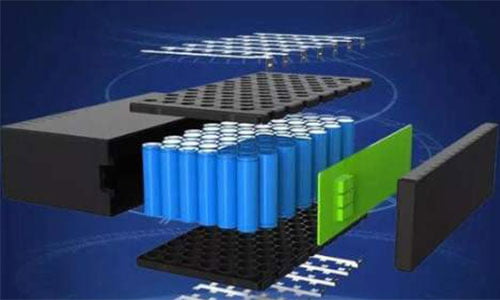
Extended Warranty 18650 LFP Cells for ESS – OEM Custom Solutions
The energy storage system (ESS) market continues to evolve rapidly, with lithium iron phosphate (LFP) chemistry emerging as the preferred choice for stationary applications. Among various form factors, 18650 cylindrical LFP cells have gained significant traction due to their proven reliability, standardized dimensions, and cost-effectiveness. For engineering teams and technical procurement specialists seeking long-term deployment solutions, understanding extended warranty offerings and OEM customization capabilities becomes critical for project success.
Technical Advantages of 18650 LFP Chemistry for ESS Applications
LFP cells deliver inherent safety advantages over NMC alternatives, primarily due to their stable olivine crystal structure. The phosphate-oxygen bond strength in LiFePO₄ cathodes provides superior thermal stability, with thermal runaway temperatures exceeding 270°C compared to approximately 150°C for NMC chemistries. This characteristic is particularly valuable for ESS installations where fire safety regulations continue to tighten globally.
From a cycle life perspective, premium-grade 18650 LFP cells typically achieve 6,000+ cycles at 80% depth of discharge (DOD) under standard operating conditions (25°C, 0.5C charge/discharge). When properly managed within optimal temperature ranges (15-35°C), these cells can maintain 80% of initial capacity beyond 10 years of operation. The cylindrical form factor further enhances thermal management efficiency, as the uniform geometry facilitates consistent heat dissipation across battery packs.
Extended Warranty Framework: What Engineering Teams Should Evaluate
Extended warranty programs for 18650 LFP cells extend beyond simple replacement guarantees. Comprehensive warranty structures should address:
1. Capacity Retention Guarantees
Premium manufacturers typically warrant 70-80% capacity retention over 10 years or 6,000 cycles, whichever occurs first. Engineering specifications must clearly define testing protocols, including temperature conditions, C-rates, and measurement methodologies to ensure warranty claims can be properly validated.
2. Cell Grading and Consistency
A-grade cell certification remains essential for ESS applications. Grade consistency within batches typically requires capacity variance below 3% and internal resistance variance under 5%. These parameters directly impact pack-level performance and longevity, making manufacturer quality control processes a critical evaluation criterion.
3. Failure Mode Coverage
Comprehensive warranties should cover manufacturing defects, premature capacity degradation, and internal resistance increases beyond specified thresholds. Clear documentation of exclusion criteria (improper storage, unauthorized modifications, operation outside specified parameters) protects both manufacturers and end-users.
OEM Customization Capabilities for ESS Integration
Successful ESS deployment requires seamless integration between cells, battery management systems (BMS), and application-specific requirements. Leading manufacturers offer several customization dimensions:
Electrical Configuration Flexibility
OEM partners should support various series-parallel configurations to match system voltage requirements (typically 48V, 51.2V, or high-voltage architectures up to 800V). Custom tab configurations, terminal placements, and wiring harnesses enable optimized pack designs for specific enclosure constraints.
BMS Integration Support
Advanced OEM solutions include BMS compatibility testing, communication protocol customization (CAN bus, RS485, Modbus), and state-of-charge algorithm calibration. This integration ensures accurate monitoring and protection across the battery system lifecycle.
Certification and Compliance
Global ESS deployments require multiple certifications including UN38.3, IEC 62619, UL 1973, and CE marking. OEM manufacturers should provide comprehensive documentation packages supporting regional compliance requirements, reducing time-to-market for system integrators.
Selection Criteria for Long-Term ESS Projects
When evaluating 18650 LFP cell suppliers for extended warranty programs, technical procurement teams should prioritize:
- Manufacturing Track Record: Minimum 5 years of LFP production experience with documented field performance data
- Quality Management Systems: ISO 9001, IATF 16949 certifications demonstrating process control capabilities
- Technical Support Infrastructure: Engineering teams capable of providing application support throughout project lifecycle
- Supply Chain Stability: Vertical integration or secured raw material sourcing ensuring consistent production capacity
For detailed technical specifications on cylindrical battery cells suitable for ESS applications, visit our cylindrical battery cell product range. Our engineering team provides comprehensive support for OEM customization requirements, ensuring optimal cell selection for your specific energy storage architecture.
Conclusion: Building Sustainable ESS Solutions
The convergence of mature 18650 manufacturing processes, improved LFP chemistry performance, and comprehensive warranty frameworks creates compelling value propositions for stationary energy storage projects. Extended warranty programs signal manufacturer confidence in product longevity while providing end-users with predictable total cost of ownership calculations.
For engineering teams evaluating long-term ESS deployments, partnering with established manufacturers offering transparent warranty terms and flexible OEM customization capabilities reduces project risk while ensuring system performance meets design expectations over the full operational lifecycle.
To discuss your specific ESS requirements or request detailed warranty documentation, contact our technical team for personalized consultation. Learn more about our manufacturing capabilities and quality standards at battery manufacturers in China, where we maintain comprehensive production facilities supporting global energy storage initiatives.