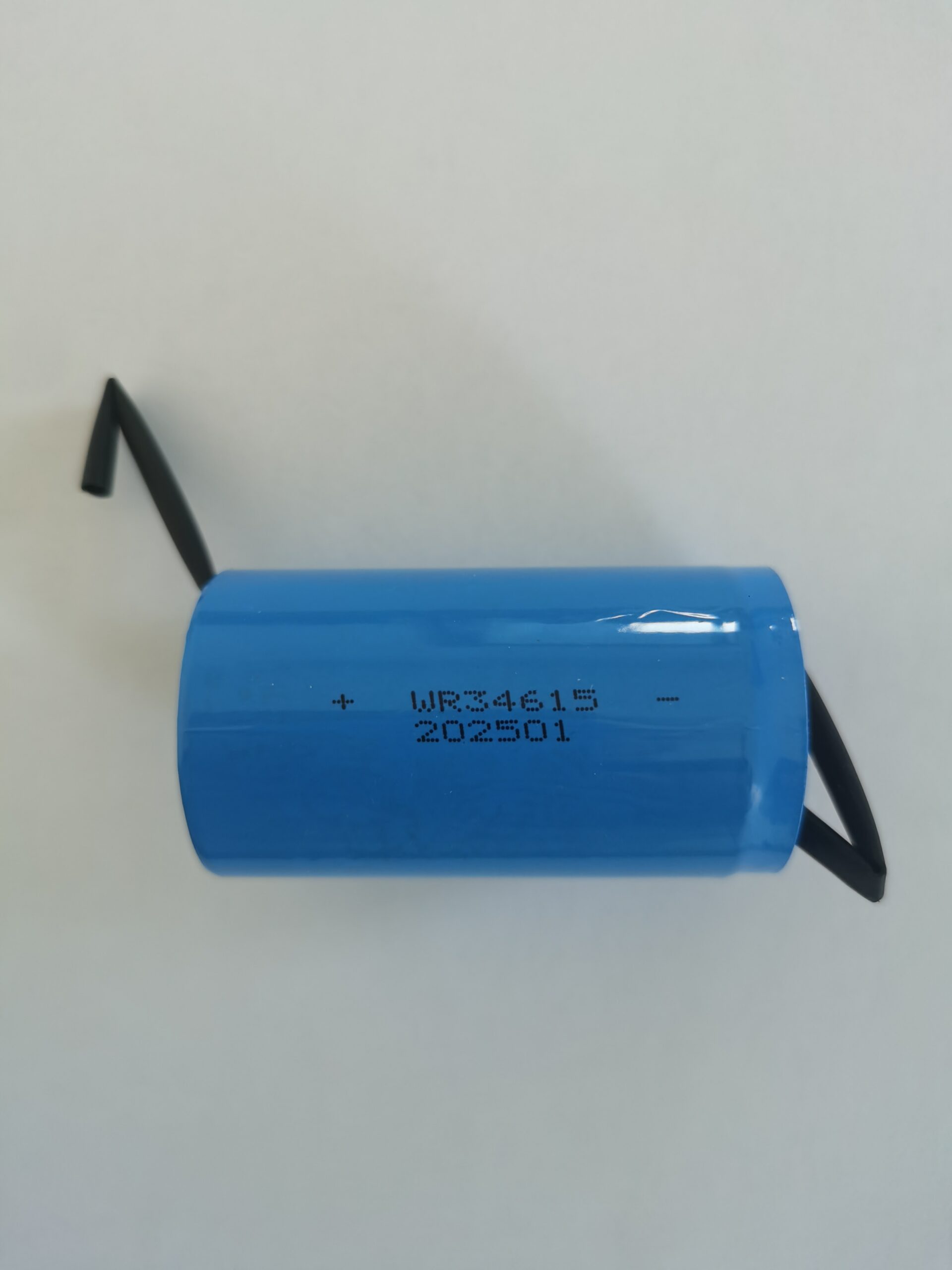
18650 LFP Cylindrical Battery for Electric Motorcycle – High Discharge Rate Ideal for Manufacturers
The electric motorcycle industry is experiencing unprecedented growth, and manufacturers require reliable, high-performance battery solutions to meet evolving market demands. The 18650 LFP cylindrical battery has emerged as a preferred choice for electric motorcycle applications, offering exceptional discharge rates, thermal stability, and extended cycle life. This article explores why this battery technology is ideal for manufacturers seeking competitive advantages in the EV sector.
Why 18650 LFP Batteries Stand Out for Electric Motorcycles
Lithium Iron Phosphate (LFP) chemistry provides inherent safety advantages over other lithium-ion variants. For electric motorcycles, where vibration, temperature fluctuations, and high current demands are common, the 18650 LFP cylindrical cell delivers consistent performance without compromising safety.
Key advantages include:
- Thermal Stability: LFP chemistry resists thermal runaway, reducing fire risks during operation or charging.
- Long Cycle Life: Typically exceeding 2,000-5,000 charge cycles, significantly lowering total cost of ownership.
- High Discharge Rates: Capable of sustained high-current output, essential for acceleration and hill-climbing scenarios.
- Standardized Format: The 18650 form factor enables modular pack design, simplifying manufacturing and maintenance.
Manufacturers partnering with established battery manufacturers in China gain access to scalable production capabilities and quality assurance protocols essential for mass-market deployment.
Technical Specifications for High-Discharge Applications
Electric motorcycles demand batteries that can handle peak power requirements without voltage sag or excessive heat generation. The 18650 LFP cylindrical battery is engineered to meet these challenges.
| Parameter | Typical Value |
|---|---|
| Nominal Voltage | 3.2V |
| Capacity Range | 1,500-2,500 mAh |
| Continuous Discharge | 3C-10C |
| Peak Discharge | Up to 15C (short duration) |
| Operating Temperature | -20°C to 60°C |
| Cycle Life | 2,000-5,000 cycles |
High-discharge variants utilize optimized electrode coatings and low-resistance electrolytes to minimize internal impedance. This ensures efficient power delivery during rapid acceleration, a critical performance metric for electric motorcycles.
For detailed product specifications, manufacturers can explore our cylindrical battery cell range, which includes customized solutions for various EV applications.
Manufacturing Considerations for OEM Integration
Integrating 18650 LFP batteries into electric motorcycle platforms requires careful attention to pack design, thermal management, and battery management systems (BMS).
Pack Design: The cylindrical format allows flexible configuration in series and parallel arrangements. Manufacturers can tailor voltage and capacity to specific motorcycle models without redesigning core components.
Thermal Management: While LFP chemistry is inherently stable, high-discharge operations generate heat. Effective cooling systems—whether passive or active—extend battery life and maintain performance consistency.
BMS Integration: A robust BMS monitors cell voltage, temperature, and current in real-time. This protects against overcharge, over-discharge, and cell imbalance, ensuring safe operation across diverse riding conditions.
Working with experienced suppliers streamlines the integration process. Our team provides technical support from prototype development to mass production. Reach out via our contact page for consultation on your specific requirements.
Cost Efficiency and Supply Chain Advantages
For manufacturers, total cost of ownership extends beyond initial purchase price. The 18650 LFP battery offers compelling economic benefits:
- Lower Raw Material Costs: Iron and phosphate are more abundant and stable in price compared to cobalt or nickel.
- Reduced Warranty Claims: Enhanced safety and cycle life minimize after-sales service costs.
- Scalable Production: Standardized cells simplify inventory management and reduce manufacturing complexity.
China’s mature battery supply chain provides additional advantages, including competitive pricing, rapid prototyping, and flexible MOQ arrangements. Manufacturers can accelerate time-to-market while maintaining quality standards compliant with international regulations.
Quality Assurance and Certification Compliance
Reputable manufacturers prioritize certifications such as UN38.3, IEC62133, UL, and CE. These certifications validate battery safety for transportation, operation, and market entry across different regions.
Quality control processes should include:
- Incoming material inspection
- In-process testing during cell assembly
- End-of-line performance verification
- Batch traceability systems
Selecting suppliers with proven quality management systems reduces risks associated with battery failures, recalls, or regulatory non-compliance.
Conclusion
The 18650 LFP cylindrical battery represents a strategic choice for electric motorcycle manufacturers seeking high discharge rates, safety, and cost efficiency. Its standardized format, combined with LFP chemistry benefits, enables scalable production and reliable performance across diverse riding conditions.
Manufacturers evaluating battery suppliers should prioritize partners with technical expertise, certification compliance, and responsive support capabilities. By integrating proven 18650 LFP solutions into their platforms, OEMs can deliver competitive electric motorcycles that meet consumer expectations for range, performance, and safety.
For further information on customized battery solutions or to discuss your manufacturing requirements, visit our contact page or explore our full cylindrical battery cell catalog. Partner with trusted battery manufacturers in China to accelerate your electric motorcycle development and gain market advantage.