
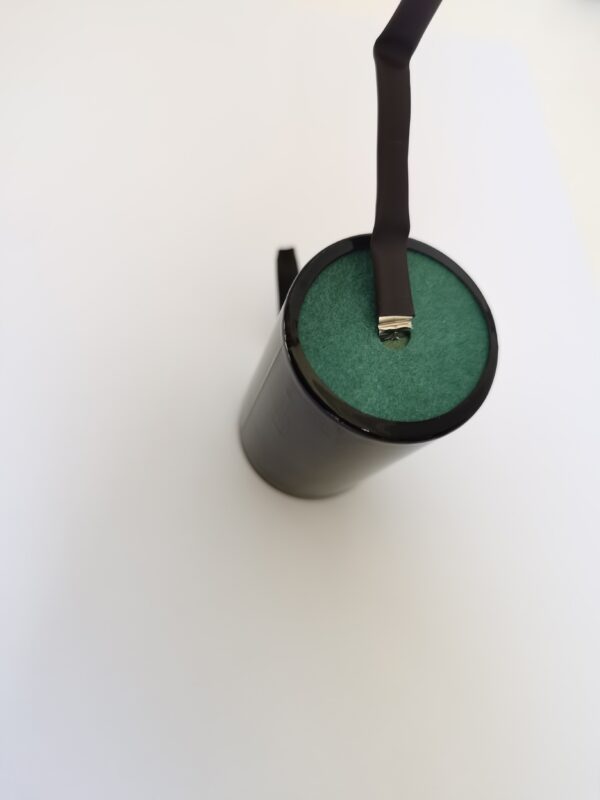
5000mAh High Capacity Li-SOCl₂ C Size Battery
Introduction
In the realm of primary lithium battery technology, the Lithium Thionyl Chloride (Li-SOCl₂) C-size battery with 5000mAh capacity represents a critical power solution for demanding industrial applications. As professionals in the lithium metal primary battery industry, we understand that selecting the right battery chemistry is fundamental to ensuring long-term reliability, operational efficiency, and cost-effectiveness in remote or hard-to-access deployments. This technical analysis examines the core characteristics, performance parameters, and application considerations of the 5000mAh Li-SOCl₂ C-size battery from an engineering perspective.
Technical Fundamentals of Li-SOCl₂ Chemistry
Lithium Thionyl Chloride batteries operate on a unique electrochemical system where lithium serves as the anode and thionyl chloride functions as both cathode and electrolyte solvent. This configuration delivers several distinctive advantages:
Voltage Characteristics: The nominal voltage of 3.6V is significantly higher than conventional alkaline or nickel-based systems, reducing the number of cells required in series configurations. The flat discharge curve maintains stable voltage output throughout approximately 90% of the discharge cycle, which is crucial for sensitive electronic equipment requiring consistent power delivery.
Energy Density: With a typical energy density exceeding 500 Wh/kg, Li-SOCl₂ batteries offer superior gravimetric and volumetric efficiency compared to alternative primary chemistries. The 5000mAh capacity in C-size format translates to approximately 18 Wh of usable energy per cell, making it ideal for space-constrained installations.
Self-Discharge Rate: Annual self-discharge rates typically remain below 1% at ambient temperatures, enabling shelf life exceeding 10 years. This characteristic is particularly valuable for emergency backup systems and long-duration IoT deployments where battery replacement is impractical.
Performance Parameters and Operating Conditions
Understanding the operational envelope is essential for proper system integration:
Temperature Range: Standard Li-SOCl₂ C-size batteries operate effectively from -55°C to +85°C, with specialized variants extending to +150°C for downhole or automotive applications. However, capacity derating occurs at temperature extremes, requiring careful thermal modeling during system design.
Discharge Current Limitations: While offering high capacity, Li-SOCl₂ chemistry exhibits voltage delay under high pulse loads due to passivation layer formation on the lithium anode. Continuous discharge currents should typically remain below 100mA for optimal performance, though hybrid designs incorporating supercapacitors can accommodate higher pulse requirements.
Safety Considerations: Proper handling protocols must be observed, including protection against short circuits, reverse charging, and mechanical damage. UL, IEC, and UN38.3 certifications are mandatory for international shipping and regulatory compliance.
Application Scenarios and Selection Criteria
The 5000mAh C-size Li-SOCl₂ battery finds optimal deployment in several key sectors:
Industrial IoT and Telemetry: Remote monitoring stations, utility metering, and environmental sensors benefit from the extended service life and wide temperature tolerance. The low self-discharge characteristic ensures devices remain operational during extended dormant periods.
Medical and Security Devices: Implantable medical equipment backups, emergency lighting systems, and security alarm panels leverage the reliable long-term power delivery and stable voltage characteristics.
Oil and Gas Exploration: Downhole instrumentation and pipeline monitoring systems utilize the high-temperature variants for harsh environment operations where battery replacement is cost-prohibitive.
Maritime and Aviation: Emergency locator transmitters and navigation backup systems depend on the proven reliability and regulatory compliance of certified Li-SOCl₂ batteries.
Integration Best Practices
For engineering teams integrating these batteries into system designs, several considerations warrant attention:
Circuit Protection: Implement appropriate fusing and protection circuitry to prevent thermal runaway conditions. Series diodes can mitigate reverse current risks in multi-cell configurations.
Connector Selection: Choose contacts with low resistance and corrosion-resistant materials to minimize voltage drop and ensure reliable electrical connection throughout the battery’s service life.
Storage Conditions: Maintain storage temperatures between 10°C and 25°C with relative humidity below 65% to preserve optimal performance characteristics before deployment.
Testing Protocols: Conduct acceptance testing including open-circuit voltage verification, capacity validation under load, and impedance measurement to ensure batch consistency.
Conclusion
The 5000mAh High Capacity Li-SOCl₂ C Size Battery represents a mature, reliable power solution for professional applications demanding long service life, wide temperature operation, and stable voltage delivery. Understanding the technical nuances of this chemistry enables engineers and procurement specialists to make informed decisions that optimize system performance while minimizing total cost of ownership.
For detailed technical specifications, certification documentation, or customized battery solutions, our engineering team stands ready to support your project requirements. Explore our comprehensive primary battery portfolio and connect with our technical specialists to discuss your specific application needs.
Learn more about our primary battery solutions: https://cnsbattery.com/primary-battery/
Contact our technical team for consultation: https://cnsbattery.com/primary-battery-contact-us/
This technical analysis is provided by industry professionals with extensive experience in lithium primary battery manufacturing and application engineering. All specifications should be verified against current product datasheets before system integration.
