
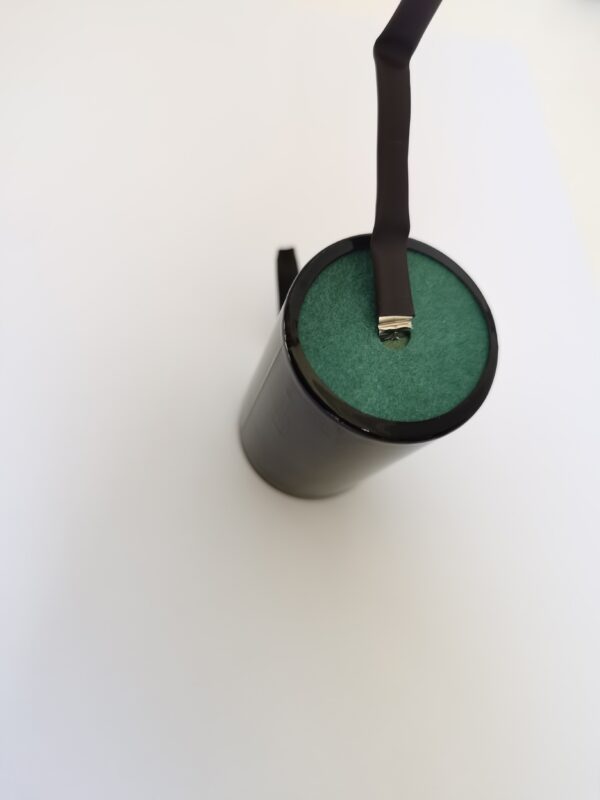
Japan JIS C 8512 Certified Lithium Primary Batteries
In the global battery industry, compliance with recognized standards is not merely a regulatory formality—it is a fundamental marker of quality, safety, and reliability. For lithium primary batteries targeting the Japanese market and international procurement channels, JIS C 8512 certification represents a critical benchmark. This article provides a comprehensive technical overview of JIS C 8512 certified lithium primary batteries, addressing key specifications, compliance requirements, and strategic considerations for B2B buyers, distributors, and OEM partners worldwide.
Understanding JIS C 8512: The Japanese Industrial Standard for Lithium Primary Batteries
The Japanese Industrial Standards (JIS) system, administered by the Japanese Industrial Standards Committee (JISC), establishes authoritative technical specifications across industrial sectors. Within the JIS C series covering electrical components and power sources, standards related to lithium primary batteries define classification, designation nomenclature, and basic performance specifications.
For lithium metal primary batteries—non-rechargeable electrochemical cells utilizing metallic lithium as the anode—JIS compliance ensures adherence to rigorous dimensional, electrical, and safety criteria. These standards align closely with international frameworks including IEC 60086 series, while incorporating Japan-specific requirements for performance validation and marking conventions.
Core Technical Specifications Under JIS C 8512 Framework
1. Chemistry Classification and Designation
JIS C 8512 certified batteries encompass multiple lithium primary chemistries, each suited to distinct application profiles:
- Li-MnO₂ (Lithium Manganese Dioxide): Nominal voltage 3.0V, widely used in consumer electronics, medical devices, and IoT sensors
- Li-SOCl₂ (Lithium Thionyl Chloride): Nominal voltage 3.6V, exceptional for long-life industrial applications with ultra-low self-discharge
- Li-SO₂ (Lithium Sulfur Dioxide): High power density, suitable for military and aerospace applications
- Li-CFx (Lithium Carbon Fluoride): Stable discharge characteristics for memory backup and RFID systems
Each chemistry follows standardized designation codes ensuring global interoperability and procurement clarity.
2. Performance Parameters and Testing Protocols
JIS certification mandates comprehensive validation across multiple performance dimensions:
| Parameter | Typical Requirement | Test Method Reference |
|---|---|---|
| Capacity | ≥95% of rated value | Constant current discharge |
| Self-discharge | ≤1% per year (Li-SOCl₂) | Long-term storage testing |
| Operating Temperature | -40°C to +85°C (varies by chemistry) | Environmental chamber testing |
| Leakage Resistance | Zero electrolyte leakage | Accelerated aging protocols |
| Dimensional Tolerance | ±0.2mm critical dimensions | Precision measurement |
These parameters ensure batteries maintain performance integrity across diverse operating conditions, from extreme cold-chain logistics to high-temperature industrial environments.
3. Safety and Compliance Requirements
While lithium primary batteries present lower thermal runaway risks compared to rechargeable lithium-ion systems, JIS standards enforce strict safety protocols:
- Short-circuit resistance: Cells must withstand external short-circuit without rupture or leakage
- Mechanical integrity: Vibration, shock, and crush testing per industrial application profiles
- Chemical stability: Electrolyte containment under pressure and temperature extremes
- Marking and traceability: Permanent batch coding, chemistry identification, and manufacturer information
For export to Japan, additional PSE (Product Safety Electrical) certification may be required depending on battery capacity and application category.
Strategic Advantages for B2B Procurement
Supply Chain Reliability
JIS C 8512 certification signals manufacturing maturity and quality system compliance. For procurement managers, this reduces supplier qualification overhead and minimizes incoming inspection requirements. Certified manufacturers typically operate under ISO 9001 quality management systems with documented traceability from raw material sourcing through final shipment.
Market Access and Regulatory Alignment
Japan represents one of the world’s most demanding battery markets, with stringent expectations for performance consistency and safety documentation. JIS certification facilitates:
- Direct distribution through Japanese industrial channels
- Qualification for government and infrastructure procurement
- Enhanced credibility in Southeast Asian and Oceanic markets recognizing Japanese standards
- Streamlined customs clearance with standardized technical documentation
Technical Support and Customization
Certified manufacturers typically provide comprehensive technical support including:
- Application-specific capacity optimization
- Custom terminal configurations and wiring harnesses
- Battery pack assembly with protection circuitry
- Regulatory documentation for downstream product certification
Selecting the Right JIS Certified Partner
When evaluating lithium primary battery suppliers, B2B buyers should verify:
- Current certification status with valid JIS compliance documentation
- Manufacturing capacity aligned with project volume requirements
- Technical support capabilities for application engineering
- Logistics infrastructure for hazardous material shipping compliance
- After-sales support including warranty terms and failure analysis
For detailed product specifications and certification documentation, visit our primary battery product portfolio. Technical inquiries and customization requests can be directed through our contact channel.
Conclusion: Quality Standards as Competitive Differentiators
In an increasingly regulated global marketplace, JIS C 8512 certification transcends compliance—it represents a commitment to engineering excellence and customer reliability. For lithium primary battery applications spanning smart metering, medical implants, industrial IoT, and defense systems, certified products deliver the performance consistency that mission-critical applications demand.
Procurement professionals specifying JIS certified lithium primary batteries gain measurable advantages in supply chain predictability, regulatory compliance, and total cost of ownership. As battery technology continues evolving, adherence to established standards like JIS C 8512 ensures interoperability, safety, and performance validation across the product lifecycle.
For technical specifications, certification documentation, and volume procurement inquiries, contact our engineering team through the links provided above. All products comply with applicable international standards including JIS, IEC, and UN transportation requirements.
