Complete Perfect Cell Matching Solution for Power Tools Using High-Quality 18650 LFP Cells Guaranteed
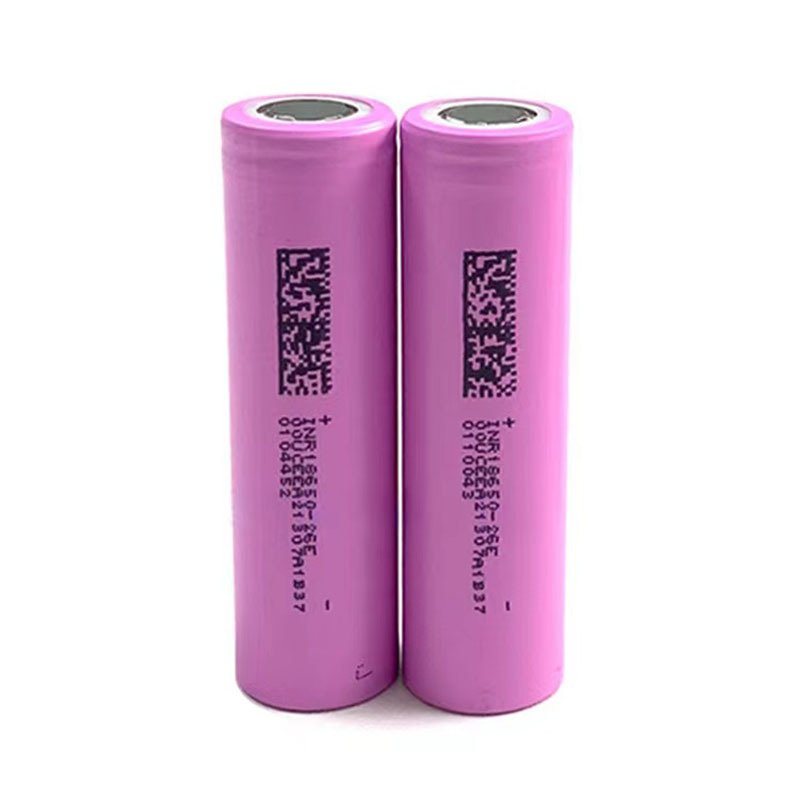
In the power tool industry, battery pack reliability directly determines product performance and customer satisfaction. A complete perfect cell matching solution using high-quality 18650 LFP cells is essential for manufacturers seeking consistent output, extended cycle life, and enhanced safety. This article outlines the critical technical considerations and implementation strategies for B2B partners requiring premium battery solutions.
Why Cell Matching Matters for Power Tool Applications
Power tools demand high discharge rates, stable voltage output, and resistance to thermal stress. Mismatched cells within a battery pack create imbalances that lead to premature failure, reduced capacity, and potential safety hazards. Proper cell matching ensures each 18650 LFP cell operates within identical parameters, maximizing pack efficiency and longevity.
Key matching parameters include:
- Capacity tolerance (±1% recommended)
- Internal resistance variance (±2mΩ maximum)
- Voltage consistency (±5mV per cell)
- Temperature coefficient alignment
Technical Requirements for 18650 LFP Cell Selection
Lithium Iron Phosphate (LFP) chemistry offers superior thermal stability and cycle life compared to traditional NMC cells, making it ideal for demanding power tool applications. When selecting 18650 LFP cells, manufacturers must verify:
- Continuous discharge capability – Minimum 3C rating for professional-grade tools
- Cycle life specification – 2000+ cycles at 80% depth of discharge
- Operating temperature range – -20°C to 60°C for global market compliance
- Safety certifications – UN38.3, IEC62133, UL1642
For verified cell specifications and technical documentation, visit our cylindrical battery cell product page.
Advanced Matching Methodology
Professional cell matching requires multi-stage testing protocols. Our implementation follows a four-step process:
Stage 1: Incoming Quality Control
All cells undergo OCV (Open Circuit Voltage) measurement and visual inspection upon arrival. Cells failing initial screening are immediately rejected.
Stage 2: Capacity Grading
Using precision charge-discharge cyclers, cells are sorted into capacity bins with 50mAh increments. This ensures uniform energy delivery across the pack.
Stage 3: Internal Resistance Testing
AC impedance measurement at 1kHz identifies cells with elevated resistance, preventing heat concentration during high-current operation.
Stage 4: Voltage Aging Test
Cells rest for 72 hours post-charging to verify self-discharge rates. Consistent voltage retention indicates quality electrolyte and separator materials.
BMS Integration for Enhanced Performance
Even with perfect cell matching, a robust Battery Management System (BMS) remains critical. The BMS monitors individual cell voltages, balances charging currents, and provides thermal protection. For power tool applications, we recommend:
- Active balancing circuits for packs exceeding 10S configuration
- Temperature sensors positioned at pack center and terminals
- Over-current protection with 10ms response time
- Communication protocols (UART/CAN) for tool diagnostics
Quality Assurance and Manufacturing Partnership
Selecting the right battery manufacturer determines long-term supply chain stability. Established partners provide consistent cell quality, technical support, and scalable production capacity. When evaluating suppliers, consider:
- Manufacturing facility certifications (ISO9001, IATF16949)
- Traceability systems for each production batch
- After-sales technical support availability
- Lead time reliability for volume orders
For comprehensive manufacturer evaluation criteria, reference our guide on battery manufacturers in China.
Implementation Timeline and ROI
Typical cell matching solution deployment requires 4-6 weeks for initial validation, followed by production scaling. Manufacturers report 30-40% reduction in warranty claims and 25% improvement in pack longevity after implementing proper matching protocols. The initial investment yields measurable returns within 12 months through reduced failure rates and enhanced brand reputation.
Conclusion
A complete perfect cell matching solution using high-quality 18650 LFP cells represents the foundation of reliable power tool battery systems. By prioritizing precise matching parameters, implementing rigorous testing protocols, and partnering with qualified manufacturers, B2B customers achieve superior product performance and market competitiveness.
For technical consultations and customized battery solutions, contact our engineering team through our official contact page. Our specialists provide comprehensive support from cell selection to final pack validation, ensuring your power tool batteries meet the highest industry standards.