UL Listed 18650 Battery Cell | CNS BATTERY
Understanding UL Certification for 18650 Battery Cells
In the global battery market, safety certification stands as the cornerstone of product credibility. For businesses sourcing 18650 lithium-ion battery cells, UL listing represents more than a compliance checkbox—it’s a critical differentiator that impacts market access, liability protection, and end-user trust.
What UL Certification Means for 18650 Cells
UL (Underwriters Laboratories) certification verifies that battery cells meet rigorous safety standards under UL 1642 for lithium cells. This includes testing for:
- Electrical abuse tolerance (overcharge, short circuit, forced discharge)
- Mechanical stress resistance (crush, impact, vibration)
- Thermal stability (thermal runaway prevention)
- Environmental durability (temperature cycling, humidity exposure)
For B2B buyers, UL-listed 18650 cells reduce regulatory hurdles in North American and European markets, where safety documentation is mandatory for product certification.
Key Technical Specifications
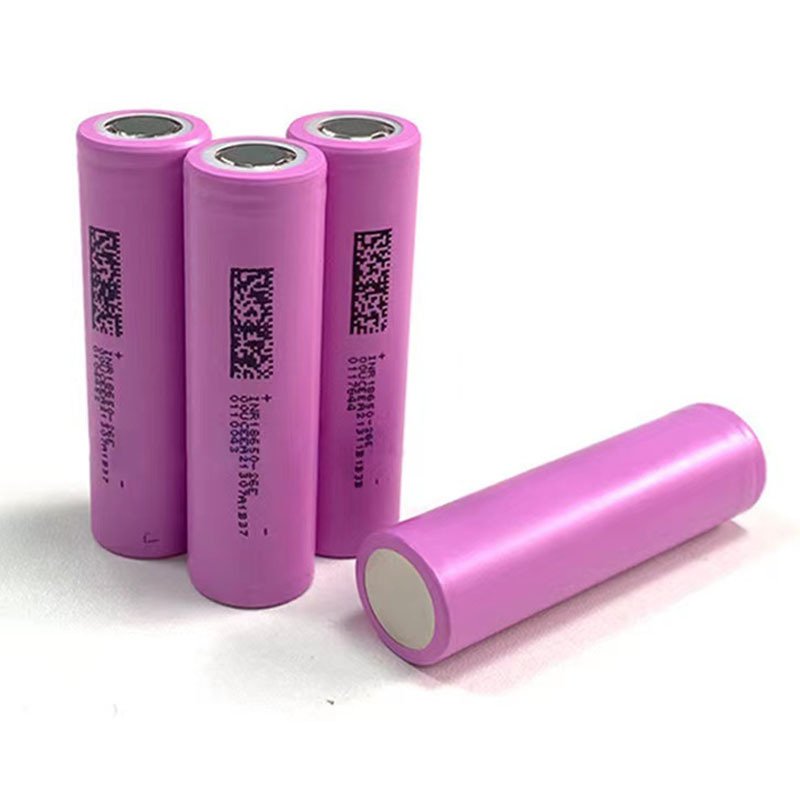
Standard 18650 cells measure 18mm in diameter and 65mm in length. Capacity typically ranges from 2000mAh to 3500mAh, with nominal voltage at 3.6V or 3.7V. When evaluating UL-listed options, consider:
| Parameter | Standard Range | Premium Grade |
|---|---|---|
| Capacity | 2200-2800mAh | 3000-3500mAh |
| Discharge Rate | 1C-3C | 5C-10C |
| Cycle Life | 300-500 | 800-1000+ |
| Operating Temp | -20°C to 60°C | -30°C to 70°C |
Application-Specific Selection
Different industries require tailored cell characteristics:
Power Tools: High discharge rates (10A-20A continuous) with robust thermal management
Energy Storage Systems: Prioritize cycle life and capacity consistency across batches
Consumer Electronics: Balance between energy density and safety features
Electric Mobility: Focus on discharge performance and temperature tolerance
Compliance and Market Access
UL certification facilitates smoother entry into regulated markets. For manufacturers integrating 18650 cells into final products, UL-recognized components streamline the overall product certification process under UL 2054 or UL 62133.
Key compliance considerations:
- Documentation Requirements: Maintain UL certification files, test reports, and traceability records
- Batch Consistency: Ensure each production lot meets specified standards
- Marking Requirements: UL mark must be properly displayed on cells and packaging
- Supply Chain Verification: Confirm distributor authorization to sell UL-listed products
Procurement Best Practices for B2B Buyers
When sourcing UL-listed 18650 battery cells, implement these verification steps:
Supplier Qualification
- Request UL certification number and verify through UL’s online database
- Confirm manufacturing facility audits and quality management systems (ISO 9001)
- Evaluate production capacity and lead time reliability
Quality Assurance
- Require pre-shipment inspection reports
- Establish clear acceptance criteria for capacity, internal resistance, and voltage
- Implement incoming quality control (IQC) testing protocols
Risk Mitigation
- Diversify supply sources where possible
- Maintain buffer inventory for critical applications
- Establish clear warranty and replacement terms
Case Study: Industrial Flashlight Manufacturer
A North American lighting company switched to UL-listed 18650 cells from CNS BATTERY to meet retailer requirements. Results included:
- 40% reduction in certification timeline for final products
- Zero safety-related returns over 18 months
- Expanded distribution into major retail chains requiring UL documentation
This demonstrates how proper cell selection directly impacts business outcomes beyond technical specifications.
Why Choose CNS BATTERY
CNS BATTERY specializes in cylindrical battery cells with full UL certification support. Their manufacturing capabilities include:
- Automated production lines ensuring consistency
- In-house testing laboratories for quality verification
- Flexible MOQ options for various business scales
- Technical support for integration and compliance questions
For detailed product specifications and certification documentation, visit their cylindrical battery cell catalog.
Final Considerations for Buyers
Before finalizing 18650 cell procurement:
- Verify UL status independently through UL Product IQ database
- Request sample testing before large-scale orders
- Confirm shipping compliance for lithium battery regulations (UN38.3, IATA)
- Establish long-term supply agreements with clear quality benchmarks
For businesses seeking reliable Chinese battery manufacturers with proper certifications, explore additional options at battery manufacturers in China.
Conclusion
UL-listed 18650 battery cells represent a strategic investment for B2B buyers prioritizing safety, compliance, and market access. The certification process ensures cells meet internationally recognized safety standards, reducing liability risks and facilitating smoother product launches.
When partnering with suppliers, prioritize transparency in certification documentation, manufacturing capabilities, and quality control processes. The right cell selection supports not only product performance but also business growth in regulated markets.
For partnership inquiries and technical consultations, contact CNS BATTERY directly through their contact page.
This article provides general guidance for B2B battery procurement. Specific requirements may vary by application and market. Always consult with certification bodies and legal advisors for compliance matters.