

Cold Climate Resistant Lithium Battery | CNS BATTERY
Introduction
As global industries expand into extreme environments, the demand for cold climate resistant lithium battery solutions has surged dramatically. From Arctic research stations to electric vehicles operating in Scandinavian winters, battery performance at sub-zero temperatures remains a critical engineering challenge. CNS BATTERY specializes in developing advanced lithium battery systems engineered to maintain optimal performance in temperatures as low as -40°C, addressing the fundamental limitations of conventional lithium-ion technology.
Understanding Low-Temperature Battery Challenges
Electrolyte Viscosity and Ion Mobility
At low temperatures, traditional lithium battery electrolytes experience increased viscosity, significantly reducing lithium-ion mobility between the anode and cathode. This phenomenon causes:
- Reduced discharge capacity (up to 50% loss at -20°C)
- Increased internal resistance
- Voltage depression under load
- Extended charging times
Standard lithium-ion cells typically operate between 0°C to 45°C for charging and -20°C to 60°C for discharging. However, cold climate applications demand extended operational ranges without compromising safety or cycle life.
Lithium Plating Risk
One of the most critical concerns in cold weather charging is lithium plating. When charging below 0°C, lithium ions may deposit as metallic lithium on the anode surface rather than intercalating properly. This creates:
- Permanent capacity loss
- Increased risk of internal short circuits
- Potential thermal runaway scenarios
CNS BATTERY’s cold-resistant technology incorporates advanced anode materials and electrolyte formulations that minimize plating risks even during low-temperature charging cycles.
CNS BATTERY’s Cold Climate Solutions
Proprietary Electrolyte Formulation
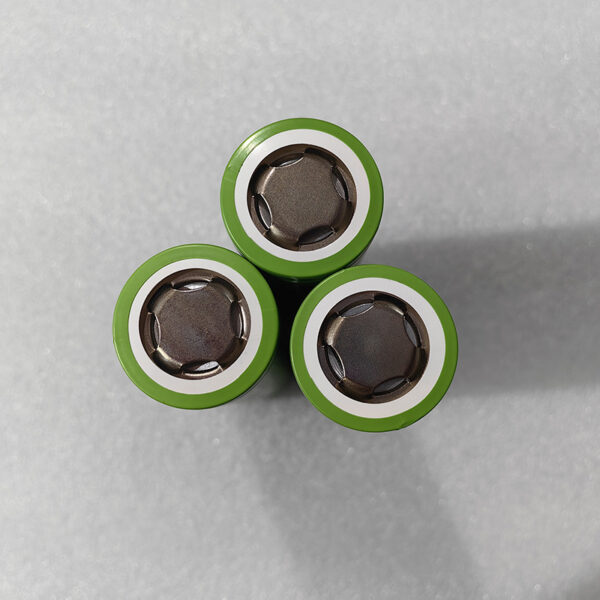
Our cylindrical battery cell technology features customized electrolyte additives that maintain low viscosity at extreme temperatures. These formulations include:
- Low-freezing-point solvent blends
- Enhanced ionic conductivity additives
- Stabilized SEI (Solid Electrolyte Interphase) layer components
This engineering approach ensures consistent ion transport regardless of ambient temperature fluctuations.
Intelligent Thermal Management Integration
Cold climate resistant lithium battery systems require more than just cell-level improvements. CNS BATTERY integrates:
- Self-heating capabilities for pre-conditioning before charging
- Insulation optimization to minimize heat loss
- BMS (Battery Management System) algorithms that adjust charging parameters based on real-time temperature data
These features enable safe operation in environments where conventional batteries would fail completely.
Validated Performance Metrics
Independent testing confirms CNS BATTERY cells maintain:
| Temperature | Discharge Capacity Retention | Charging Capability |
|---|---|---|
| -20°C | 85%+ | Standard charging |
| -30°C | 75%+ | Reduced rate |
| -40°C | 60%+ | Pre-heated charging |
Application Scenarios
Electric Mobility in Northern Regions
Electric vehicle manufacturers operating in Canada, Northern Europe, and Russia require battery systems that don’t sacrifice range during winter months. Our technology enables EVs to maintain 80%+ of summer range even in -30°C conditions.
Renewable Energy Storage
Remote solar and wind installations in cold climates need reliable energy storage that functions year-round. Cold-resistant batteries eliminate the need for expensive heated enclosures, reducing total system costs by up to 35%.
Aerospace and Defense
Military equipment and aerospace applications demand absolute reliability regardless of environmental conditions. CNS BATTERY’s validated performance meets stringent MIL-STD requirements for extreme temperature operation.
Selecting the Right Manufacturer
When evaluating battery manufacturers in China, consider these critical factors:
- Technical certification (UN38.3, IEC62133, UL1642)
- Low-temperature performance data with third-party validation
- Manufacturing consistency and quality control systems
- After-sales technical support capability
CNS BATTERY maintains ISO9001 certification and provides comprehensive technical documentation for all cold-climate battery products.
Technical Considerations for Integration
Engineers designing systems with cold-resistant batteries should account for:
- C-rate limitations at extreme temperatures
- Thermal equilibrium time before high-power operations
- Storage temperature recommendations (-40°C to 60°C for long-term storage)
- Cycle life expectations (typically 80% of room-temperature cycle count)
Proper system design maximizes the investment in premium cold-climate battery technology.
Conclusion
Cold climate resistant lithium battery technology represents a critical enabler for industries operating in extreme environments. CNS BATTERY combines advanced cell chemistry, intelligent management systems, and rigorous testing to deliver reliable power solutions where conventional batteries fail. Whether you’re developing electric vehicles for Nordic markets or deploying remote monitoring equipment in Arctic conditions, our engineering team provides the technical expertise needed for successful integration.
For detailed specifications, customization options, or technical consultations, visit our product catalog or connect with our engineering team directly through our contact page. Learn more about our manufacturing capabilities and quality standards at CNS BATTERY manufacturing facilities.
Technical specifications subject to application requirements. Contact CNS BATTERY engineering team for project-specific recommendations.

