
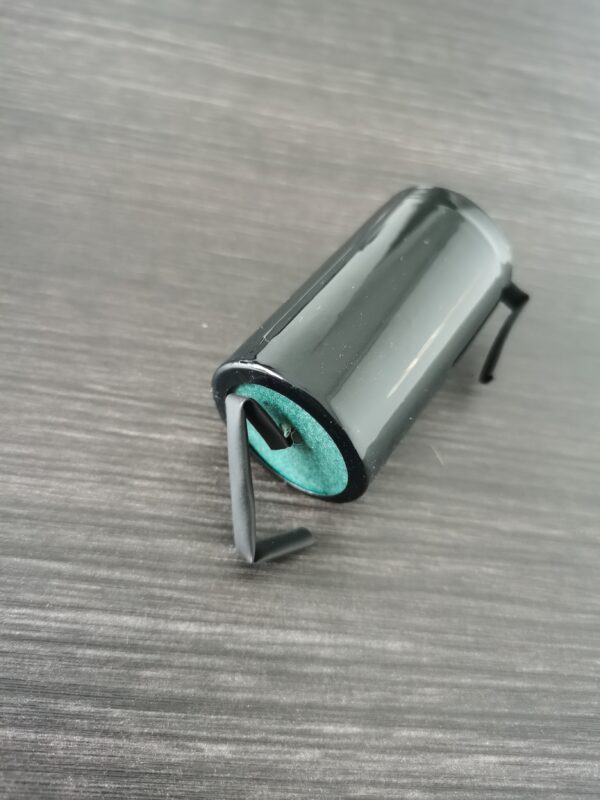
Li-SO₂ Battery for Drone Anti-Jamming Emergency Power
In the rapidly evolving landscape of unmanned aerial vehicle (UAV) operations, reliable emergency power systems represent a critical component for mission continuity, particularly in electronic warfare and anti-jamming scenarios. Lithium sulfur dioxide (Li-SO₂) primary batteries have emerged as the preferred energy solution for drone emergency backup power, offering unmatched performance in extreme conditions where conventional battery chemistries fail.
Why Li-SO₂ Technology Matters for UAV Emergency Systems
Li-SO₂ batteries belong to the lithium metal primary battery category, utilizing lithium metal as the anode and liquid sulfur dioxide as both cathode active material and electrolyte solvent. This unique electrochemical system delivers a nominal voltage of 3.0V with exceptional energy density ranging from 250-300 Wh/kg. For drone operators in defense, surveillance, and industrial applications, these specifications translate into compact, lightweight emergency power modules capable of sustaining critical avionics during main power failure.
The operational temperature range of -60°C to +70°C makes Li-SO₂ batteries particularly suitable for high-altitude UAV missions and extreme environment operations. Unlike lithium-ion alternatives, Li-SO₂ cells maintain stable voltage output throughout discharge, ensuring consistent performance for sensitive anti-jamming equipment and communication systems.
Core Technical Advantages for Anti-Jamming Applications
1. Instant Power Delivery
Li-SO₂ batteries provide immediate high-current discharge capability without voltage depression. This characteristic is essential for emergency power activation when drone systems experience electronic countermeasure (ECM) interference or main battery compromise. The low internal resistance enables rapid response times critical for maintaining GPS lock and communication links during jamming events.
2. Extended Shelf Life
With self-discharge rates below 1% per year at ambient temperature, Li-SO₂ primary batteries can remain in standby configuration for 10+ years without maintenance. This makes them ideal for emergency backup systems in military drones, border surveillance UAVs, and disaster response aircraft that may remain dormant for extended periods before deployment.
3. Hermetic Sealing and Safety
The welded stainless steel construction provides complete hermetic sealing, protecting internal components from moisture, salt fog, and corrosive atmospheres. For maritime drone operations and coastal surveillance missions, this protection level ensures emergency power availability regardless of environmental exposure.
Integration Considerations for Drone Emergency Power Systems
When designing Li-SO₂ emergency power modules for UAV anti-jamming systems, engineers must account for several critical parameters:
Voltage Regulation: While Li-SO₂ cells maintain relatively flat discharge curves, DC-DC conversion may be necessary to match specific avionics voltage requirements. Proper regulation ensures compatibility with flight controllers, communication modules, and navigation systems.
Capacity Sizing: Emergency power duration requirements vary by mission profile. Typical configurations range from 0.5Ah for basic system preservation to 5Ah+ for extended safe-return operations. Capacity selection should balance weight constraints against required backup duration.
Thermal Management: Although Li-SO₂ batteries operate across extreme temperatures, installation positioning should consider heat dissipation during high-current discharge events. Proper thermal isolation from main power systems prevents cascading failures.
Global Market Applications and Regional Considerations
The demand for Li-SO₂ emergency power solutions continues growing across multiple sectors. North American defense contractors prioritize these batteries for tactical UAV programs, while European aerospace manufacturers integrate them into civilian emergency response drones. Asia-Pacific regions show increasing adoption for industrial inspection UAVs operating in harsh environments.
For procurement specialists and system integrators evaluating primary battery suppliers, technical support and customization capabilities represent key selection criteria. Manufacturers offering comprehensive documentation, safety certifications, and application engineering support provide significant value for complex drone integration projects.
Selecting the Right Primary Battery Partner
When sourcing Li-SO₂ batteries for drone emergency power applications, verification of manufacturer credentials, quality certifications, and supply chain reliability becomes paramount. Reputable suppliers provide detailed technical specifications, safety data sheets, and application notes to support proper system integration.
For detailed product specifications and technical consultation on Li-SO₂ primary battery solutions for UAV applications, visit our primary battery product page. Our engineering team supports global clients with customized emergency power configurations meeting specific mission requirements.
Conclusion
Li-SO₂ battery technology represents the gold standard for drone anti-jamming emergency power systems. The combination of wide temperature operation, long shelf life, instant power delivery, and environmental resilience makes these primary batteries indispensable for critical UAV operations. As electronic warfare threats continue evolving, reliable emergency power becomes increasingly vital for mission success and asset recovery.
System designers, procurement managers, and UAV operators should prioritize Li-SO₂ technology when developing or upgrading emergency power architectures. The investment in proven primary battery technology delivers measurable returns through enhanced operational reliability, reduced maintenance costs, and improved mission success rates across diverse application environments.
For further technical consultation and customized primary battery solutions, please contact our team to discuss your specific drone emergency power requirements. Our specialists provide comprehensive support from initial design through production deployment, ensuring optimal battery integration for your UAV platforms.
