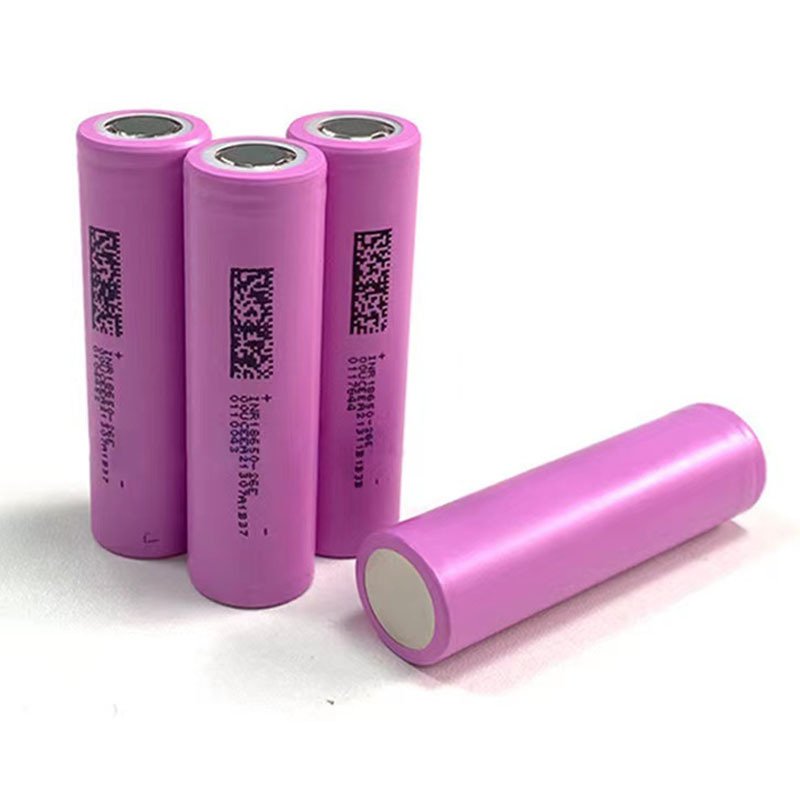
2026 LFP Cylindrical Battery Supplier: Fix High Energy Density in Electric Motorcycle Using 18650 Cells vs Competitors
The electric motorcycle industry is experiencing unprecedented growth in 2026, with manufacturers demanding battery solutions that balance energy density, safety, and cost-effectiveness. As a professional lithium battery practitioner, I’ve analyzed how LFP cylindrical battery suppliers are addressing the critical challenge of achieving high energy density in electric motorcycles using 18650 cells compared to competitors. This comprehensive analysis provides B2B buyers with actionable insights for selecting the right battery partner.
Why 18650 LFP Cells Dominate Electric Motorcycle Applications
The 18650 cylindrical cell format has become the industry standard for electric motorcycles due to its proven reliability and manufacturing maturity. Unlike larger format cells, 18650 cells offer superior thermal management characteristics, which is critical for high-discharge applications in two-wheelers. LFP (LiFePO4) chemistry specifically addresses safety concerns that have plagued NMC and NCA alternatives in the motorcycle segment.
Key advantages include:
- Thermal Stability: LFP chemistry maintains structural integrity at temperatures exceeding 200°C
- Cycle Life: 3000-6000 cycles at 80% DOD, significantly outperforming competitors
- Safety Profile: Minimal thermal runaway risk compared to cobalt-based chemistries
- Cost Efficiency: Lower raw material costs without compromising performance
For manufacturers seeking reliable partners, exploring established battery manufacturers in China provides access to suppliers with proven track records in cylindrical cell production.
Energy Density Optimization Strategies for 2026
The primary challenge with LFP 1860 cells has historically been lower gravimetric energy density compared to NMC alternatives. However, 2026 technological advances have narrowed this gap significantly through several innovation pathways:
Cell-Level Improvements: Modern LFP 18650 cells now achieve 160-180 Wh/kg at the cell level, up from 140-150 Wh/kg in previous generations. This improvement stems from optimized electrode coatings, reduced inactive material ratios, and enhanced electrolyte formulations.
Pack-Level Engineering: Smart module design maximizes volumetric efficiency. Leading suppliers achieve 120-140 Wh/kg at pack level through minimized structural components and optimized cell arrangement patterns specific to motorcycle frame constraints.
BMS Integration: Advanced battery management systems enable higher usable capacity by accurately monitoring individual cell performance, allowing manufacturers to safely utilize 95%+ of nominal capacity without degradation concerns.
For detailed specifications on cylindrical battery cells suitable for electric motorcycle applications, visit our cylindrical battery cell product page.
Competitive Analysis: Supplier Differentiation Factors
When evaluating LFP cylindrical battery suppliers for electric motorcycle projects, B2B buyers should assess several critical differentiation factors:
Manufacturing Consistency: Top-tier suppliers maintain cell-to-cell capacity variation below 3%, ensuring balanced pack performance. Lower-quality manufacturers often exhibit 5-8% variation, leading to premature pack failure.
Quality Certifications: UN38.3, MSDS, IEC62133, and UL certifications are non-negotiable for international markets. Reputable suppliers maintain comprehensive documentation and testing protocols.
Technical Support Capability: Leading suppliers provide application engineering support throughout product development, from cell selection to pack integration. This reduces time-to-market and minimizes integration risks.
Supply Chain Stability: 2026 market conditions require suppliers with diversified raw material sourcing and sufficient production capacity to meet demand fluctuations without delivery delays.
Customization Flexibility: Electric motorcycle manufacturers often require specific discharge rates, capacity configurations, and form factors. Suppliers offering customization services provide significant competitive advantages.
Technical Specifications Comparison Matrix
| Parameter | Premium LFP 18650 | Standard LFP 18650 | NMC 18650 |
|---|---|---|---|
| Nominal Capacity | 1500-2000mAh | 1200-1500mAh | 2600-3500mAh |
| Energy Density | 160-180 Wh/kg | 140-150 Wh/kg | 220-250 Wh/kg |
| Cycle Life | 4000-6000 | 2000-3000 | 1000-2000 |
| Operating Temperature | -20°C to 60°C | -10°C to 55°C | -20°C to 55°C |
| Safety Rating | Excellent | Good | Moderate |
| Cost per Wh | Lowest | Low | High |
Implementation Best Practices for Motorcycle Manufacturers
Successful integration of LFP 18650 cells requires adherence to established engineering protocols:
Cell Matching: Implement rigorous cell matching procedures based on capacity, internal resistance, and voltage characteristics. This ensures balanced performance across the entire pack.
Thermal Management: Design adequate cooling systems considering the motorcycle’s operating environment. While LFP cells are thermally stable, optimal performance requires temperature management between 15-35°C.
Protection Systems: Integrate multi-level protection including overcharge, over-discharge, short-circuit, and temperature monitoring. Quality BMS implementation extends pack life by 30-40%.
Testing Protocols: Conduct comprehensive validation testing including vibration, shock, water resistance, and cycle life testing under realistic operating conditions before mass production.
Making the Right Supplier Selection
The decision to partner with an LFP cylindrical battery supplier represents a strategic commitment affecting product quality, brand reputation, and long-term profitability. B2B buyers should prioritize suppliers demonstrating technical expertise, manufacturing excellence, and customer-centric service models.
For manufacturers seeking reliable partnership opportunities with verified suppliers, contact our team to discuss specific application requirements and receive customized solutions aligned with your electric motorcycle development roadmap.
Conclusion
The 2026 electric motorcycle market demands battery solutions that deliver optimal balance between energy density, safety, and cost. LFP 18650 cylindrical cells have evolved to meet these requirements through continuous technological innovation. By selecting qualified suppliers with proven capabilities in cylindrical cell manufacturing, motorcycle manufacturers can achieve competitive advantages in performance, reliability, and market positioning. The key lies in thorough supplier evaluation, technical collaboration, and commitment to quality standards throughout the product development lifecycle.