Factory Direct 18650 LFP Cells China Export: No Extended Warranty for EV Projects Guaranteed
The global electric vehicle (EV) battery market is experiencing unprecedented transformation in 2026, with Chinese manufacturers commanding over 70% of global EV battery supply. For engineering teams and technical procurement specialists evaluating 18650 LFP cells from China factory-direct sources, understanding warranty limitations and technical compliance is critical for project success. This analysis provides essential insights for EV projects requiring reliable lithium iron phosphate battery solutions without extended warranty dependencies.
Understanding 18650 LFP Cell Specifications for EV Applications
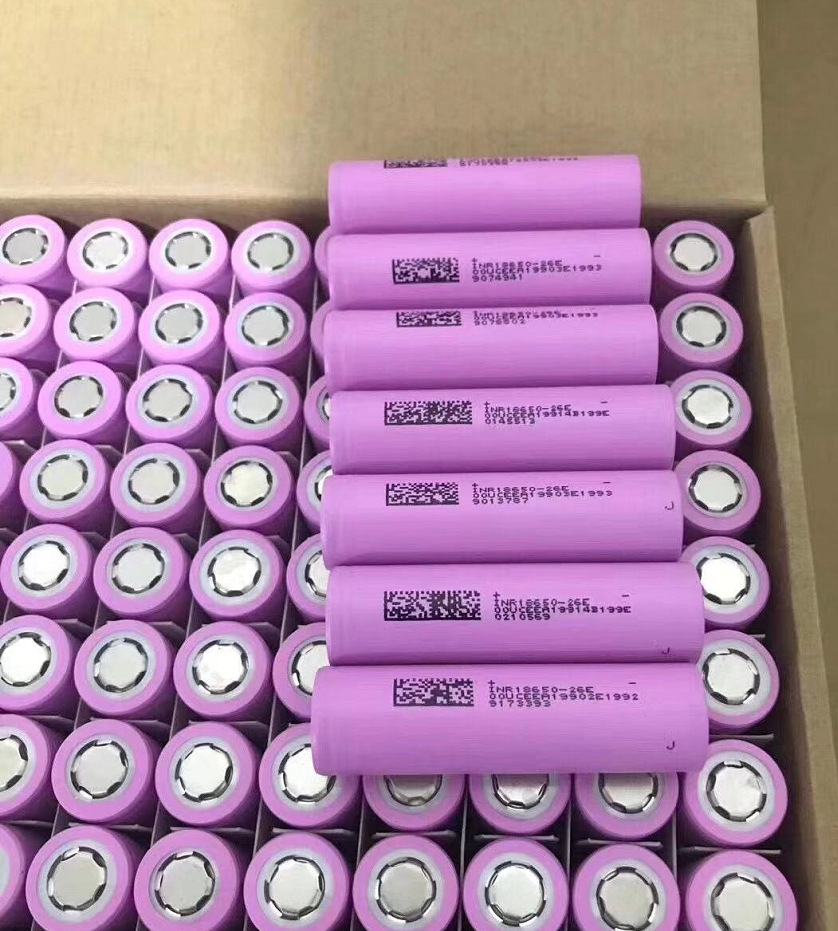
The 18650 cylindrical form factor remains industry-standard, measuring 18mm in diameter and 65mm in length. When sourcing LFP battery cells from Chinese manufacturers, technical buyers must evaluate key parameters that directly impact EV project performance and longevity.
Critical Technical Parameters:
- Nominal Voltage: 3.2V per cell (LFP chemistry standard)
- Capacity Range: 1500mAh to 2000mAh for high-cycle applications
- Cycle Life: 2000-5000 cycles at 80% depth of discharge
- Operating Temperature: -20°C to 60°C with optimal performance at 15-35°C
- Energy Density: 90-120 Wh/kg (lower than NCM but superior thermal stability)
The absence of extended warranty coverage for factory-direct exports reflects industry-standard risk allocation. Reputable manufacturers like CNS Battery maintain quality through rigorous testing protocols rather than warranty extensions, ensuring cells meet international standards before shipment.
Testing Methodologies and Quality Assurance Protocols
Professional EV projects require comprehensive cell validation before integration. Chinese battery manufacturers implementing export-grade quality control follow multiple testing phases aligned with EU and US technical standards.
Essential Testing Procedures:
- IEC 62660 Compliance Testing: Validates safety performance for propulsion batteries, including overcharge, over-discharge, and short-circuit resistance.
- UN 38.3 Transportation Certification: Mandatory for international shipping, covering altitude simulation, thermal cycling, vibration, and external short-circuit testing.
- Cycle Life Validation: Minimum 2000 cycles at 1C charge/discharge rates with capacity retention above 80%.
- Thermal Runaway Testing: Critical for EV applications, ensuring cells maintain structural integrity under extreme conditions per GB38031-2025 standards effective July 2026.
- Battery Passport Readiness: Aligning with EU Battery Regulation 2023/1542, requiring full lifecycle traceability by 2027.
Technical procurement teams should request complete test reports documenting these validations. Factory-direct suppliers maintaining transparent testing records demonstrate commitment to quality without requiring extended warranty coverage as risk mitigation.
Regional Compliance and Technical Barriers for Global Markets
Understanding regional regulatory requirements is essential for EV projects deploying Chinese-manufactured 18650 LFP cells. Different markets impose varying technical barriers that affect cell selection and project viability.
European Union Compliance:
The EU Battery Regulation mandates carbon footprint declarations, recycled content minimums, and digital battery passports. For 18650 LFP cells entering European EV projects, manufacturers must provide:
- Complete supply chain documentation
- Carbon footprint calculations per kWh
- End-of-life recycling protocols
- Real-time State of Health (SoH) tracking capability
United States Market Considerations:
Following 2025 tariff implementations, US-bound battery imports face 10% baseline tariffs with additional duties on Chinese-origin cells totaling approximately 38.4%. Technical buyers should evaluate:
- Inflation Reduction Act (IRA) compliance for tax credit eligibility
- Domestic content requirements for federal procurement
- Alternative sourcing through third-country manufacturing
Technical Adaptation Strategies:
Leading Chinese manufacturers address regional compliance through dedicated production lines and certification programs. CNS Battery maintains manufacturing protocols aligned with international standards, supporting global EV project deployment without extended warranty dependencies. Their cylindrical battery cell production follows rigorous quality control matching EU and US technical expectations.
For comprehensive product specifications and technical documentation, visit https://cnsbattery.com/products-3/cylindrical-battery-cell/ to review certified 18650 LFP cell offerings suitable for export projects.
Conclusion: Strategic Sourcing Without Extended Warranty Reliance
The factory-direct 18650 LFP cell market in 2026 offers significant cost advantages for EV projects willing to conduct proper technical due diligence. Extended warranty coverage is not the primary indicator of cell quality—comprehensive testing documentation, regional compliance certification, and manufacturing transparency provide superior risk mitigation.
Technical procurement teams should prioritize suppliers maintaining clear communication channels and responsive technical support. For direct manufacturer engagement and project-specific consultations, contact information is available at https://cnsbattery.com/contact-2/.
Understanding the landscape of battery manufacturers in China helps identify partners capable of meeting international standards without warranty crutches. Explore comprehensive manufacturer insights at https://cnsbattery.com/battery-manufacturers-in-china/ to evaluate potential supply chain partners for your EV projects.
The shift toward LFP chemistry in global EV applications—from General Motor’s 2027 procurement plans to European battery passport requirements—demonstrates market confidence in properly manufactured cells. Factory-direct sourcing with rigorous technical validation, rather than extended warranty dependence, represents the mature approach for professional EV project deployment in 2026 and beyond.