

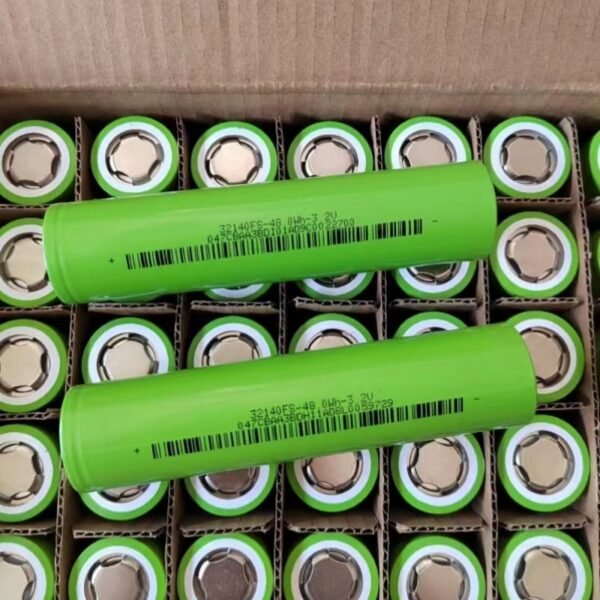
Complete Low Temperature Performance Solution for Solar Storage Using High-Quality 18650 LFP Cells Fast Shipping Guaranteed
As renewable energy infrastructure expands into higher latitudes, the efficiency of energy storage systems (ESS) during winter months has become a critical engineering challenge. Solar storage units deployed in Northern Europe, Canada, and the northern United States often face significant capacity degradation when ambient temperatures drop below 0°C. For technical purchasers and system integrators, selecting a battery chemistry that maintains reliability under thermal stress is paramount. This article provides a deep technical analysis of a complete low-temperature performance solution utilizing high-quality 18650 LFP (Lithium Iron Phosphate) cells, specifically engineered to meet rigorous global standards while ensuring fast shipping guaranteed for project timelines.
The Chemistry of Cold: Why 18650 LFP?
Lithium Iron Phosphate (LiFePO4) chemistry is inherently superior to NMC (Nickel Manganese Cobalt) variants for stationary solar storage, particularly regarding safety and cycle life. However, standard LFP cells often suffer from increased internal resistance and reduced lithium-ion mobility in sub-zero environments. To address this, advanced 18650 cylindrical cells utilize optimized electrolyte formulations with lower freezing points and enhanced conductivity.
The 18650 form factor (18mm diameter, 65mm length) offers distinct mechanical advantages for thermal management. The cylindrical shape allows for efficient air or liquid cooling channels within the battery pack, preventing hot spots during charging and mitigating voltage depression during cold discharge. For engineers designing ESS for regions with extreme weather, the structural integrity of the 18650 cell reduces the risk of swelling or deformation compared to prismatic pouch cells. You can explore the specific technical specifications of these robust cylindrical units at https://cnsbattery.com/products-3/cylindrical-battery-cell/.
Key Performance Parameters and Testing Protocols
When evaluating low-temperature performance, technical buyers must look beyond nominal capacity. The critical metrics include discharge capacity retention at -20°C and charge acceptance at 0°C. High-quality 18650 LFP cells designed for cold climates should retain at least 80% of their rated capacity at -20°C under a 0.5C discharge rate. Furthermore, the internal resistance should remain stable to prevent excessive voltage drop under load.
Reliability is verified through standardized testing protocols. For global deployment, cells must pass IEC 62619 for safety in industrial applications and UL 1973 for stationary energy storage. Thermal cycling tests, ranging from -40°C to +60°C, ensure the cell’s separator and electrolyte remain stable. Additionally, vibration and shock tests simulate transport and installation stresses. CNS Battery products undergo rigorous validation to ensure they meet these international benchmarks, providing confidence for large-scale solar projects.
Geo SEO and Regional Compliance: EU and US Standards
For distributors and installers, regulatory compliance is as crucial as technical performance. A “Complete Solution” must align with local legal frameworks to avoid customs delays or installation rejections.
European Market Adaptability:
In the European Union, battery systems must comply with the new EU Battery Regulation, which emphasizes carbon footprint disclosure and recycling efficiency. LFP chemistry scores highly here due to the absence of cobalt. Compliance with CE marking and IEC standards is mandatory for grid-tied systems in Germany, France, and the Nordic countries. The robust construction of 18650 cells facilitates easier recycling processes, aligning with EU sustainability goals.
North American Market Adaptability:
In the United States, compliance with UL 9540 (Energy Storage Systems) and UL 1973 is often required for insurance and permitting. Additionally, shipping lithium batteries requires strict adherence to UN38.3 testing standards. The “Fast Shipping Guaranteed” aspect of this solution is not merely a logistical promise but a compliance feature. It implies that the supply chain is optimized for hazardous material transport, ensuring cells arrive with proper documentation (MSDS, Transport Declaration) ready for integration. This reduces lead times for projects in California, Texas, or New York, where solar adoption is high but regulatory scrutiny is intense.
Supply Chain and Technical Barriers
Sourcing high-quality cells from reliable manufacturers is the final piece of the puzzle. The technical barrier lies not just in cell production but in consistency. Batch-to-batch variation in internal resistance can compromise the entire battery pack’s BMS (Battery Management System) performance. Working with established battery manufacturers in China ensures access to mature supply chains and cost-effective production without sacrificing quality control.
CNS Battery leverages decades of manufacturing expertise to maintain tight tolerances on cell capacity and voltage. For technical purchasers seeking to verify the manufacturing pedigree and supply chain transparency, detailed information about the production facilities and quality assurance processes can be found at https://cnsbattery.com/battery-manufacturers-in-china/. This transparency is vital for due diligence, especially when procuring for utility-scale projects where failure is not an option.
Conclusion
Deploying solar storage in cold climates requires a holistic approach that combines advanced chemistry, rigorous testing, and regulatory compliance. High-quality 18650 LFP cells offer the optimal balance of safety, longevity, and low-temperature performance. By choosing a solution that guarantees fast shipping and adheres to EU and US technical standards, engineers can mitigate project risks and ensure long-term energy reliability.
For further technical consultations, custom pack configurations, or to request datasheets for low-temperature optimized cells, please reach out to our engineering team directly. We are ready to support your project from specification to installation. Contact us today at https://cnsbattery.com/contact-2/ to secure your supply chain for the next generation of cold-climate solar storage.


