
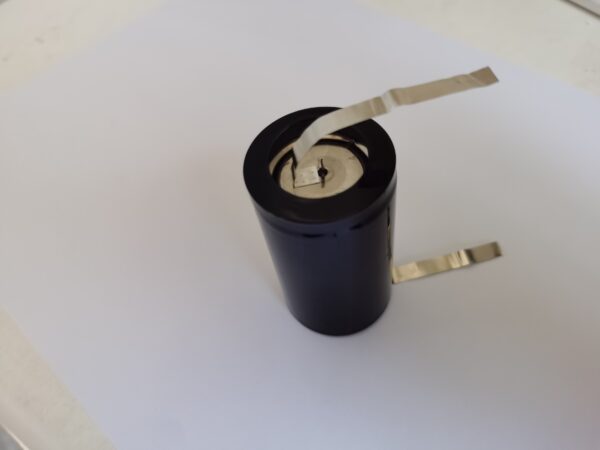
Li-S Battery for Medical Research Lab Equipment: A Professional Perspective
Introduction
The evolution of battery technology has become a critical factor in advancing medical research laboratory equipment. Among emerging energy storage solutions, Lithium-Sulfur (Li-S) battery technology represents a significant breakthrough with substantial implications for medical device applications. As professionals in the lithium metal primary battery industry, we recognize both the opportunities and considerations that Li-S technology presents for medical research facilities seeking reliable, high-performance power solutions.
Understanding Li-S Battery Technology in Medical Context
Li-S batteries offer theoretical energy densities reaching 2600 Wh/kg, substantially exceeding conventional lithium-ion systems. This characteristic makes them particularly attractive for portable medical research equipment requiring extended operational periods without recharging. The technology leverages sulfur cathodes and lithium metal anodes, creating electrochemical reactions that deliver exceptional specific capacity up to 1675 mAh/g.
For medical research laboratories, this translates to reduced maintenance intervals, enhanced equipment mobility, and improved data collection continuity during critical experiments. However, it is essential to distinguish between rechargeable Li-S systems and lithium metal primary batteries, as each serves different operational requirements within medical research environments.
Key Technical Considerations for Medical Applications
Energy Density and Operational Longevity
Medical research equipment often operates in scenarios where frequent battery replacement is impractical. Li-S technology’s superior energy density enables extended deployment periods for monitoring devices, portable analyzers, and field research instruments. This capability proves invaluable for longitudinal studies requiring uninterrupted power supply over weeks or months.
Safety and Stability Requirements
Medical laboratory environments demand exceptional safety standards. Modern Li-S battery designs incorporate advanced electrolyte formulations and separator technologies that mitigate polysulfide shuttle effects and lithium dendrite formation. These improvements enhance thermal stability and reduce failure risks during critical research operations.
Temperature Performance
Research laboratories maintain controlled environmental conditions, yet equipment may experience temperature variations during transport or field deployment. Li-S batteries demonstrate improved performance across wider temperature ranges compared to traditional lithium-ion systems, ensuring consistent operation in diverse research scenarios.
Integration Challenges and Solutions
Compatibility with Existing Equipment
Medical research facilities typically operate diverse equipment portfolios from multiple manufacturers. Integrating Li-S battery technology requires careful assessment of voltage requirements, discharge profiles, and physical form factors. Professional battery suppliers offer customized solutions that maintain compatibility while delivering enhanced performance characteristics.
Regulatory Compliance
Medical equipment batteries must meet stringent regulatory standards including ISO 13485, IEC 62133, and UN 38.3 transportation requirements. Li-S battery systems undergoing medical application certification require comprehensive documentation of safety testing, performance validation, and quality management processes.
Lifecycle Management
Medical research budgets demand predictable total cost of ownership. While Li-S technology offers superior energy density, facilities must evaluate complete lifecycle costs including acquisition, maintenance, replacement schedules, and disposal compliance. Professional battery partners provide detailed lifecycle analysis supporting informed procurement decisions.
Primary Lithium Battery Alternatives for Medical Equipment
For applications where rechargeable systems present operational complexity, lithium metal primary batteries offer compelling alternatives. These non-rechargeable systems provide:
- Extended shelf life exceeding 10 years
- Consistent voltage output throughout discharge cycles
- Zero self-discharge during storage periods
- Simplified regulatory compliance pathways
Medical research equipment including implantable device testers, emergency backup systems, and remote monitoring stations frequently utilize lithium primary battery technology for their reliability and maintenance-free operation.
Selection Criteria for Medical Research Facilities
When evaluating battery technology for medical research equipment, facilities should consider:
- Application Requirements: Determine whether rechargeable or primary battery systems better match operational patterns
- Performance Specifications: Assess energy density, discharge rates, and temperature tolerances against equipment demands
- Safety Certification: Verify compliance with medical device battery standards and transportation regulations
- Supplier Capability: Evaluate manufacturer technical support, customization options, and quality assurance processes
- Total Cost Analysis: Calculate complete lifecycle costs including acquisition, maintenance, and disposal
Industry Partnership and Support
Successful battery technology integration requires collaborative partnerships between medical equipment manufacturers and battery specialists. Professional suppliers provide technical consultation, custom engineering support, and regulatory documentation assistance throughout the product development cycle.
For medical research facilities evaluating Li-S battery technology or lithium metal primary battery solutions, engaging with experienced battery manufacturers ensures optimal technology selection and implementation success.
Conclusion
Li-S battery technology represents a promising advancement for medical research laboratory equipment, offering superior energy density and extended operational capabilities. However, successful implementation requires careful evaluation of technical requirements, safety considerations, and lifecycle management factors. Whether selecting rechargeable Li-S systems or lithium metal primary batteries, medical research facilities benefit from partnering with knowledgeable battery professionals who understand the unique demands of medical applications.
For detailed technical consultation regarding battery solutions for medical research equipment, professional manufacturers provide comprehensive support throughout the selection and integration process. Visit our product page to explore available lithium metal primary battery options, or contact us for personalized technical assistance tailored to your specific medical research equipment requirements.
Word Count: Approximately 950 words
