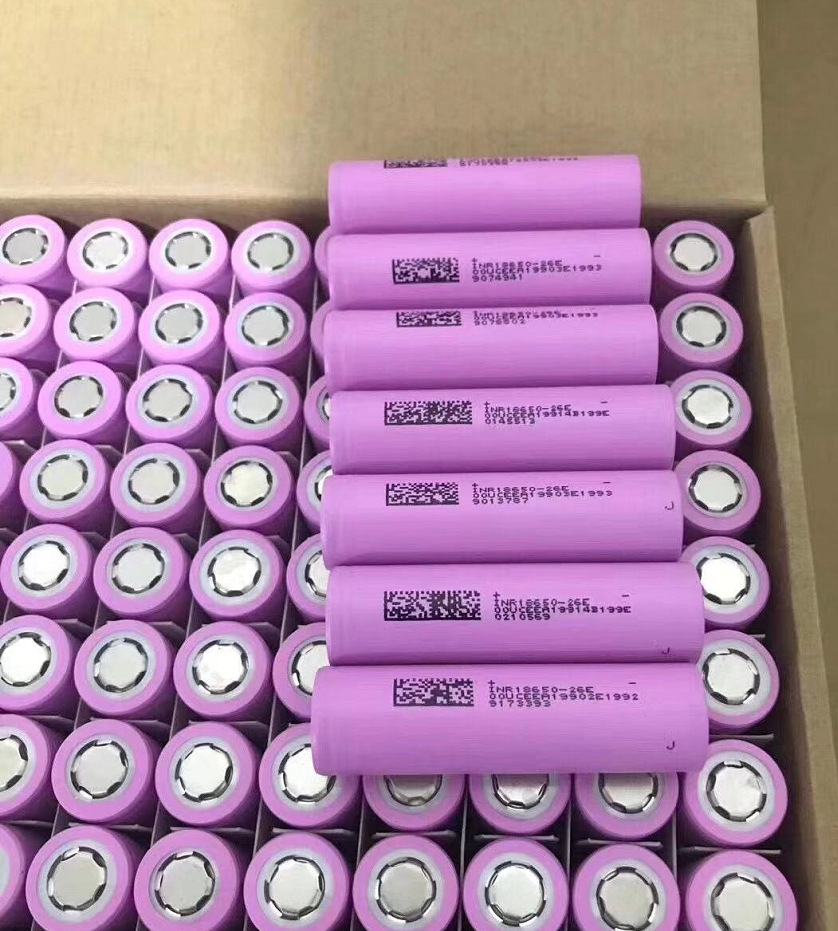
18650 Battery Cell For Portable Power Station | CNS BATTERY
The portable power station market has experienced exponential growth in recent years, driven by increasing demand for reliable off-grid energy solutions. At the heart of these systems lies a critical component: the 18650 battery cell. As professional lithium battery manufacturers, we understand that selecting the right cylindrical cell technology determines overall system performance, safety, and longevity.
Why 18650 Cells Dominate Portable Power Applications
The 18650 designation refers to cylindrical lithium-ion cells measuring 18mm in diameter and 65mm in length. This standardized form factor has become the industry preference for portable power stations due to several compelling advantages:
Energy Density Optimization: Modern 18650 cells deliver 2500-3500mAh capacity with energy densities reaching 250-280 Wh/kg. This enables compact power station designs without compromising runtime performance.
Thermal Management: The cylindrical geometry facilitates superior heat dissipation compared to pouch or prismatic alternatives. During high-discharge scenarios, this characteristic prevents thermal runaway and maintains cell integrity.
Manufacturing Scalability: Automated production lines for 18650 cells achieve consistent quality at scale, reducing per-unit costs while maintaining strict quality control parameters essential for B2B partnerships.
Technical Specifications for Commercial Applications
When evaluating 18650 cells for portable power station integration, several technical parameters require careful consideration:
Chemistry Selection: NMC (Nickel Manganese Cobalt) and LFP (Lithium Iron Phosphate) represent the primary chemistry options. NMC offers higher energy density, while LFP provides enhanced cycle life exceeding 2000+ charge cycles with superior thermal stability.
Discharge Rate Capability: C-rate specifications determine maximum continuous and peak discharge currents. Quality 18650 cells support 1C-3C continuous discharge with 5C burst capability, accommodating diverse load requirements from LED lighting to power tools.
BMS Compatibility: Effective battery management system integration requires cells with consistent internal resistance (typically 30-50mΩ) and voltage matching within 10mV tolerance across parallel configurations.
Quality Assurance and Manufacturing Standards
Reputable battery manufacturers in China implement comprehensive quality protocols throughout the production cycle. Key validation processes include:
- IEC 62133 and UN 38.3 certification compliance
- 100% cell grading and capacity sorting
- Automated optical inspection for defect detection
- Cycle life testing under varied temperature conditions
These standards ensure cells meet international safety requirements for export markets across North America, Europe, and Southeast Asia.
Integration Considerations for System Designers
Successful portable power station development requires strategic cell selection aligned with target applications. Residential backup systems prioritize cycle life and safety, while outdoor recreational units emphasize energy density and weight optimization.
Our cylindrical battery cell portfolio offers customized solutions addressing these diverse requirements. Technical support teams provide cell matching services, pack design consultation, and performance validation to accelerate time-to-market for OEM partners.
Regional Market Dynamics
Geographic considerations influence cell specification requirements. European markets demand strict compliance with CE and RoHS directives. North American customers prioritize UL certification and cold-weather performance down to -20°C. Southeast Asian applications require enhanced humidity resistance and tropical temperature tolerance up to 60°C ambient conditions.
Understanding these regional nuances enables manufacturers to optimize product positioning and reduce compliance-related delays during market entry.
Partnership Framework for B2B Clients
Establishing reliable supply chains requires transparent communication and documented quality commitments. Leading manufacturers provide comprehensive documentation including:
- Technical datasheets with verified performance curves
- Batch traceability systems for quality accountability
- Flexible MOQ arrangements supporting prototype development
- After-sales technical support for field issue resolution
For detailed specifications and partnership inquiries, visit our contact page to connect with our international sales team.
Future Outlook
The 18650 cell technology continues evolving with silicon-anode enhancements and solid-state electrolyte developments promising further energy density improvements. However, current generation cells already deliver optimal balance between performance, cost, and reliability for portable power station applications.
Strategic partnerships with experienced cell manufacturers enable system integrators to leverage proven technology while maintaining competitive pricing structures. As the global energy storage market projects 15% CAGR through 2030, selecting the right battery foundation becomes increasingly critical for long-term business success.
This technical overview reflects current industry standards and manufacturing capabilities. Specifications may vary based on specific product configurations and regional compliance requirements.