

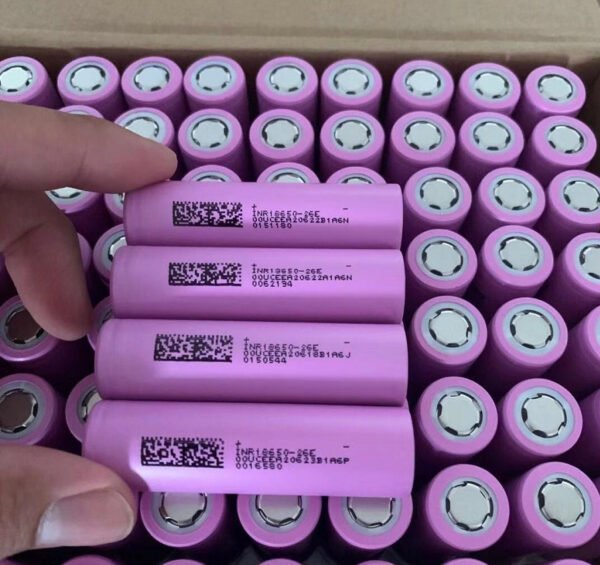
38121 Li-ion Wholesale Supplier from China: Guaranteed Zero Swelling Issues for EV OEMs
The electric vehicle (EV) industry faces a critical challenge: battery swelling. For EV OEMs sourcing from China, finding a reliable 38121 Li-ion wholesale supplier that guarantees zero swelling issues is no longer optional—it’s essential for vehicle safety, performance, and brand reputation.
Understanding the 38121 Cylindrical Cell Architecture
The 38121 cylindrical battery cell represents a significant evolution in lithium-ion technology. With dimensions of 38mm diameter and 121mm height, this format offers an optimal balance between energy density and thermal management capabilities. Unlike smaller cylindrical cells, the 38121 design provides enhanced structural integrity while maintaining efficient heat dissipation characteristics crucial for EV applications.
The core advantage lies in the cell’s internal architecture. Advanced winding techniques combined with premium separator materials minimize internal stress during charge-discharge cycles. This engineering approach directly addresses the primary cause of battery swelling: gas generation from electrolyte decomposition.
Why Swelling Occurs in Li-ion Batteries
Battery swelling stems from multiple technical factors. Electrolyte decomposition at elevated temperatures produces gas compounds that accumulate within the cell casing. Poor quality control during manufacturing can introduce contaminants that accelerate this process. Additionally, inconsistent charging protocols and inadequate battery management systems contribute to premature cell degradation.
For EV OEMs, swelling isn’t merely a cosmetic issue. It compromises pack structural integrity, creates thermal runaway risks, and significantly reduces cycle life. A comprehensive understanding of these failure modes is essential when evaluating potential suppliers.
Zero Swelling Guarantee: What It Really Means
A genuine zero swelling guarantee requires manufacturers to implement rigorous quality control measures throughout the production process. This includes:
Electrolyte Formulation Control: Premium suppliers utilize stabilized electrolyte additives that suppress gas generation even under extreme operating conditions. The chemical composition must remain stable across temperature ranges from -30°C to 60°C.
Manufacturing Environment Standards: Production facilities must maintain ISO Class 8 cleanroom conditions or better. Moisture control below 1% relative humidity prevents electrolyte contamination that leads to swelling.
Formation Process Optimization: The initial formation cycling activates the solid electrolyte interphase (SEI) layer properly. Inadequate formation creates unstable SEI layers that degrade during operation, producing gas.
Quality Testing Protocols: Comprehensive testing includes accelerated aging tests, thermal cycling, and overcharge protection validation before cells reach OEM customers.
Selecting the Right Chinese Battery Manufacturer
When evaluating battery manufacturers in China, EV OEMs should prioritize suppliers with proven track records in cylindrical cell production. Look for certifications including IATF 16949, ISO 9001, and UN 38.3 transportation compliance. Manufacturing capacity and scalability matter significantly for long-term supply agreements.
Reputable suppliers maintain transparent communication channels and provide detailed technical documentation. They offer customization options for specific EV applications while maintaining core quality standards. Visit https://cnsbattery.com/battery-manufacturers-in-china/ to explore verified manufacturer credentials and production capabilities.
Technical Specifications for EV Applications
The 38121 cylindrical battery cell delivers impressive performance metrics suitable for diverse EV platforms. Typical capacity ranges from 15Ah to 25Ah depending on specific chemistry configurations. Energy density achieves 180-220 Wh/kg at the cell level, supporting extended driving ranges.
Cycle life exceeds 3000 full cycles at 80% depth of discharge when operated within recommended parameters. This translates to approximately 10 years of service life for most passenger EV applications. Fast-charging capabilities support 3C continuous discharge rates without compromising cell integrity.
For detailed product specifications and technical datasheets, explore https://cnsbattery.com/products-3/cylindrical-battery-cell/ to access comprehensive information on available configurations and performance characteristics.
Supply Chain Considerations for Global OEMs
Working with Chinese wholesale suppliers requires understanding logistics, lead times, and quality assurance processes. Established suppliers maintain inventory buffers to accommodate fluctuating demand while ensuring consistent quality across production batches.
Communication protocols should include regular technical updates, production status reports, and immediate notification of any quality deviations. Language barriers must be addressed through dedicated technical support teams fluent in English and familiar with international EV standards.
Building Long-term Partnerships
Successful EV OEM-supplier relationships extend beyond transactional arrangements. Strategic partnerships involve joint development initiatives, shared risk management, and collaborative problem-solving approaches. Suppliers committed to zero swelling guarantees invest continuously in R&D to improve cell chemistry and manufacturing processes.
For EV manufacturers seeking reliable partnerships, initiate conversations with qualified suppliers early in the vehicle development cycle. This enables customization opportunities and ensures battery specifications align with overall vehicle architecture requirements. Contact https://cnsbattery.com/contact-2/ to begin technical discussions with experienced battery specialists.
Conclusion
The 38121 Li-ion cylindrical cell represents a mature technology platform for EV applications when sourced from qualified manufacturers. Zero swelling guarantees aren’t marketing claims—they reflect comprehensive quality systems, advanced manufacturing capabilities, and commitment to long-term performance. EV OEMs prioritizing battery quality over initial cost savings will build more reliable vehicles and stronger brand reputations in the competitive global market.
Selecting the right Chinese wholesale supplier requires due diligence, technical evaluation, and ongoing quality monitoring. With proper partner selection, EV manufacturers can leverage China’s manufacturing scale while maintaining the highest quality standards for their battery systems.

