

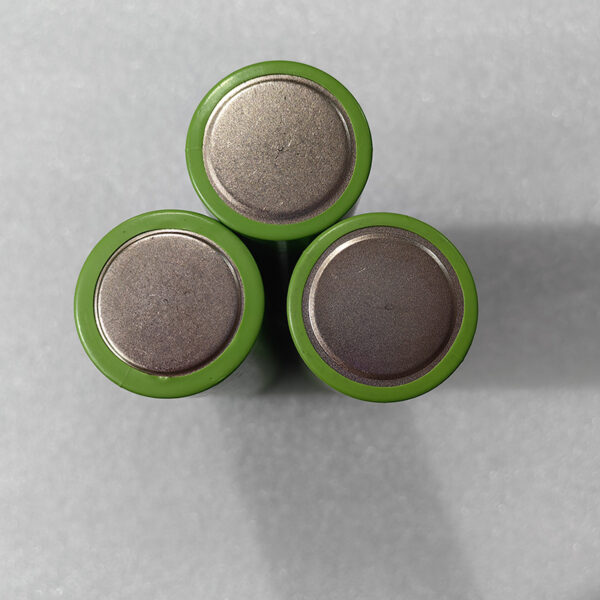
21700 32700 LFP Comparison – Cycle Life for ESS vs E-bike 2026
The lithium battery industry in 2026 has witnessed significant advancements in cylindrical cell technology, particularly in the LFP (Lithium Iron Phosphate) chemistry segment. For B2B buyers, system integrators, and energy storage professionals across North America, Europe, and Asia-Pacific markets, understanding the cycle life differences between 21700 and 32700 LFP cells is critical for optimizing ESS (Energy Storage System) and e-bike applications. This comprehensive analysis provides technical insights to support informed procurement decisions.
Understanding Cell Format Fundamentals
The numerical designation in cylindrical cells represents physical dimensions: 21700 indicates 21mm diameter × 70mm length, while 32700 measures 32mm diameter × 70mm length. This 53% volume increase in 32700 cells translates to higher capacity per cell, reduced assembly complexity, and improved thermal management characteristics—factors directly impacting cycle life performance in commercial deployments.
Cycle Life Performance: ESS Applications
For stationary energy storage systems, cycle life represents the cornerstone of ROI calculations and LCOE (Levelized Cost of Energy) optimization. In 2026, premium 32700 LFP cells demonstrate 6,000-8,000 cycles at 80% DOD (Depth of Discharge), while 21700 LFP variants typically achieve 4,000-6,000 cycles under identical conditions.
The superior cycle performance of 32700 cells stems from several technical advantages:
Thermal Management: Larger form factor enables better heat dissipation, reducing thermal stress during high-current charging/discharging cycles common in grid-tied ESS installations.
Structural Stability: Enhanced electrode surface area distribution minimizes mechanical degradation during lithium intercalation cycles, particularly important for daily cycling applications in residential and C&I (Commercial & Industrial) storage systems.
Connection Efficiency: Fewer cells required per kWh reduces weld points and connection resistance, decreasing failure probability over extended operational periods.
For battery manufacturers in China supplying global markets, 32700 LFP cells have become the preferred choice for utility-scale and commercial ESS projects requiring 10+ year operational lifespans with minimal degradation.
E-bike Application Considerations
Electric bicycle applications present different optimization priorities. While cycle life remains important, energy density, weight, and discharge rate capabilities often take precedence. 21700 LFP cells maintain strong market positioning in premium e-bike segments for several reasons:
Packaging Flexibility: Smaller diameter enables more versatile battery pack configurations, accommodating diverse frame designs across European and North American e-bike manufacturers.
Power Density: Modern 21700 LFP cells support 3C-5C continuous discharge rates, sufficient for most e-bike motor requirements while maintaining thermal safety margins.
Replacement Ecosystem: Established supply chains and standardized pack designs simplify maintenance and replacement scenarios for end users.
However, 32700 cells are gaining traction in cargo e-bikes and commercial delivery vehicles where extended range and reduced pack complexity outweigh weight considerations. Cycle life expectations for e-bike applications typically range from 1,500-2,500 full cycles, with LFP chemistry providing significant safety advantages over NCM alternatives in high-temperature operating environments.
Technical Selection Criteria for B2B Buyers
When evaluating cylindrical LFP cells for commercial projects, consider these critical parameters:
Cycle Life Testing Standards: Verify cells meet IEC 62619 or UL 1973 certification requirements with documented cycle testing at application-relevant C-rates and temperature conditions.
Warranty Terms: Leading manufacturers now offer 10-year warranties for ESS applications with guaranteed capacity retention thresholds (typically 70-80% at end of warranty period).
Supply Chain Reliability: Partner with established battery manufacturers in China who maintain consistent quality control across production batches and provide technical support throughout project lifecycles.
Integration Compatibility: Ensure BMS (Battery Management System) compatibility with selected cell format, particularly for large-scale ESS deployments requiring precise cell balancing and monitoring.
Market Trends and Regional Considerations
North American ESS markets increasingly favor 32700 LFP cells for behind-the-meter storage, driven by IRA (Inflation Reduction Act) incentives requiring domestic content verification. European e-bike manufacturers maintain diverse cell format adoption, with 21700 remaining dominant in consumer segments while 32700 gains ground in commercial fleets.
Asia-Pacific regions show accelerated 32700 adoption across both ESS and e-mobility applications, supported by localized manufacturing capacity and competitive pricing structures.
Conclusion
The 21700 versus 32700 LFP cell selection ultimately depends on application-specific requirements rather than universal superiority. ESS projects prioritizing maximum cycle life and minimized maintenance favor 32700 architecture, while e-bike applications balancing weight, packaging, and performance often opt for 21700 solutions. Professional consultation with qualified battery manufacturers ensures optimal cell selection aligned with project specifications and long-term operational objectives.
For detailed technical specifications and customized battery solutions, explore our cylindrical battery cell offerings or connect with our engineering team through our contact page. Partner with experienced battery manufacturers in China who understand global market requirements and deliver consistent quality across production volumes.

