
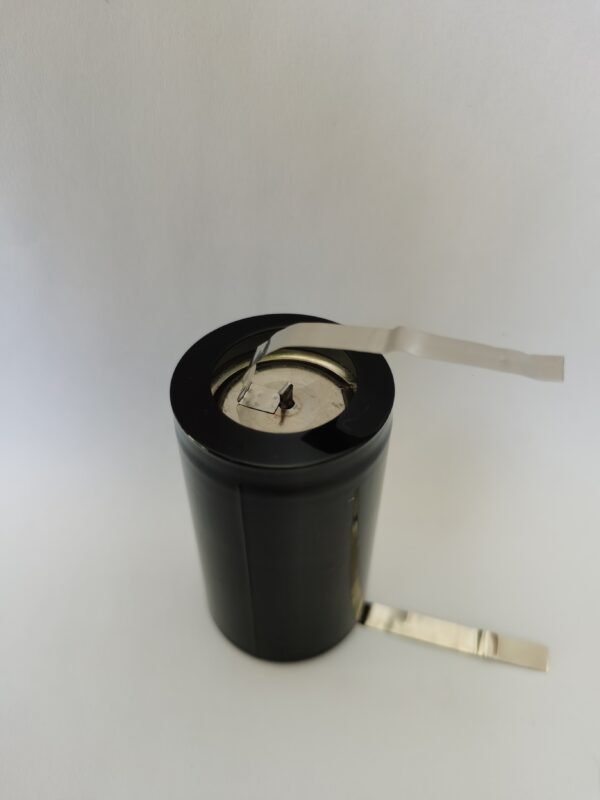
Strategic Sourcing: How to Secure Free Lithium Battery Samples from Chinese Manufacturers in 2026
In the global supply chain, securing reliable power sources is critical for product development. For procurement managers and engineers sourcing from China, requesting samples is the first step in validating quality and compatibility. However, navigating the process of obtaining free lithium battery samples requires a strategic approach that balances cost, compliance, and technical verification. This guide outlines the professional standards for acquiring samples from Chinese manufacturers in 2026, focusing on compliance, technical适配 (compatibility), and procurement best practices.
1. Understanding Sample Eligibility and Costs
While many manufacturers advertise “free samples,” the term often refers to the unit cost rather than logistics. In the lithium battery industry, especially for specialized primary battery solutions, manufacturers typically waive the product fee for qualified B2B clients but require the buyer to cover shipping. This is due to the hazardous nature of lithium cells and the strict regulations governing their transport.
To qualify for complimentary units, buyers should demonstrate serious intent. This includes providing company details, project timelines, and estimated annual consumption. Manufacturers are more inclined to support partners with clear volume potential. For a wide range of industrial-grade options, you can explore the available catalog at https://cnsbattery.com/primary-battery/. Reviewing specifications beforehand ensures your sample request is precise, reducing back-and-forth communication.
2. Technical Verification and Compatibility
Before requesting samples, engineers must define the technical parameters to avoid compatibility issues. Lithium batteries vary significantly in chemistry, such as Li-SOCl2 (Lithium Thionyl Chloride) for long-term IoT applications or Li-MnO2 for high-drain devices.
Key Technical Checkpoints:
- Voltage & Capacity: Ensure the nominal voltage (e.g., 3.0V, 3.6V) matches your device’s power management system.
- Discharge Profile: Analyze whether your application requires constant voltage or high pulse current.
- Dimensions: Physical fit is crucial. Even a millimeter discrepancy can halt production.
- Temperature Range: Verify performance under your operating conditions, especially for outdoor or industrial equipment.
Requesting a datasheet alongside the sample is standard practice. This document allows your team to validate performance metrics against your design requirements before physical testing begins.
3. Compliance and Shipping Regulations (2026 Standards)
In 2026, international shipping regulations for lithium batteries are stricter than ever. Compliance is not optional; it is a prerequisite for sample delivery. When sourcing from China, ensure the manufacturer provides up-to-date documentation.
Essential Documents:
- UN38.3 Test Report: This is the “international passport” for lithium batteries. It certifies that the cells have passed safety tests for altitude, temperature, vibration, and shock. Without a valid UN38.3 report, carriers will reject the shipment.
- MSDS (Material Safety Data Sheet): This document details chemical composition and emergency handling measures. Logistics providers and customs authorities require an MSDS updated within the last year.
- Transportation Appraisal Report: Based on UN38.3 results, this certifies compliance with IATA air transport standards.
A common pitfall is receiving samples with expired documentation. In a 2025 case study, a European IoT firm faced a three-week delay because the manufacturer’s MSDS had lapsed, causing customs hold-ups. Always confirm document validity before shipment. Professional manufacturers will handle the dangerous goods declaration, but the buyer must provide accurate consignee information.
4. The Sampling Process: A Best Practice Workflow
To streamline the process, follow this structured workflow:
- Initial Inquiry: Submit a detailed request including technical specs and intended application.
- Document Review: Request digital copies of UN38.3 and MSDS for preliminary compliance check.
- Sample Agreement: Clarify who bears shipping costs. For high-value projects, negotiate freight collection.
- Testing & Validation: Upon receipt, conduct open-circuit voltage (OCV) checks and load testing immediately.
- Feedback Loop: Provide detailed feedback to the manufacturer. This builds trust and paves the way for mass production negotiations.
For direct communication regarding sample requests and technical support, you can reach out via the official contact channel at https://cnsbattery.com/primary-battery-contact-us/. Efficient communication ensures that your specific requirements are understood and met promptly.
5. Risk Mitigation and Quality Assurance
Receiving a sample is only the beginning. Quality consistency between samples and mass production is a common concern. To mitigate this risk:
- Batch Traceability: Ensure samples come from a production batch similar to future mass orders.
- Third-Party Testing: For critical applications, consider sending samples to an independent lab for verification.
- Contractual Clarity: Define quality standards and acceptance criteria in your initial agreement.
Conclusion
Securing free lithium battery samples from Chinese manufacturers is a viable strategy for reducing R&D costs, provided it is approached with professional rigor. By focusing on technical compatibility, ensuring 2026 compliance standards like UN38.3 and MSDS are met, and maintaining clear communication, overseas B2B buyers can effectively validate suppliers before committing to large orders. The right partnership begins with a transparent sampling process, laying the foundation for a reliable supply chain.
For further information on primary battery solutions and to initiate your sampling request, visit https://cnsbattery.com/primary-battery/ or contact the team directly at https://cnsbattery.com/primary-battery-contact-us/.
