Ultimate Guide to 18650 LFP Cells for E-bike 2026 – Complete Extended Warranty Focus
The electric bicycle industry in 2026 demands battery solutions that balance performance, safety, and long-term reliability. Among all lithium-ion chemistries, 18650 LFP (Lithium Iron Phosphate) cells have emerged as the preferred choice for commercial e-bike applications, particularly when extended warranty coverage is a critical procurement consideration. This comprehensive guide addresses the technical specifications, warranty frameworks, and selection criteria that engineering teams and B2B purchasers must evaluate.
Why 18650 LFP Chemistry Dominates E-bike Applications in 2026
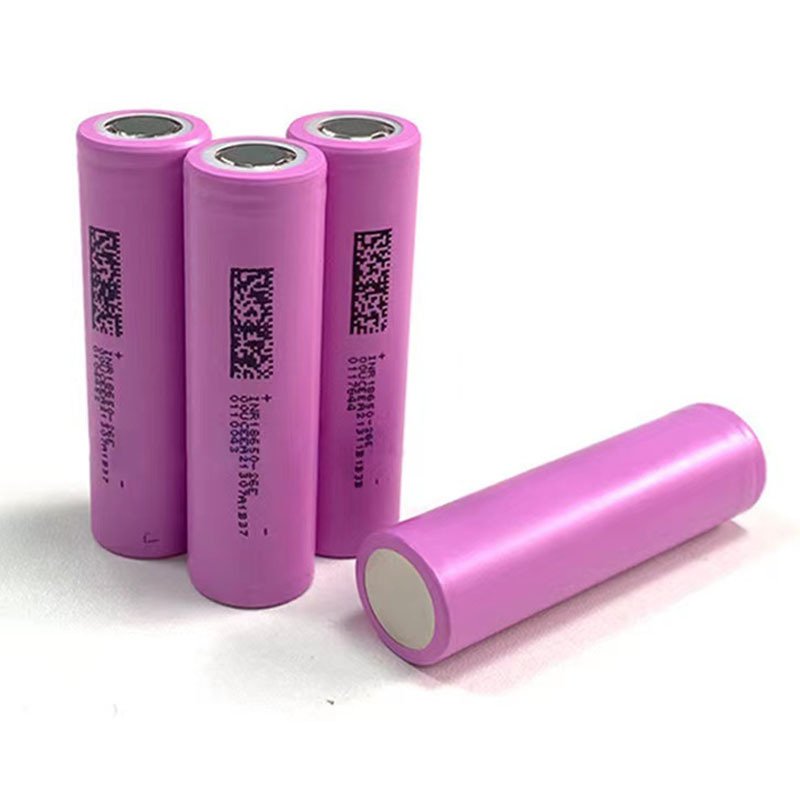
The 18650 form factor—18mm diameter, 65mm length, cylindrical design—remains industry-standard due to its proven manufacturing maturity and mechanical robustness. When paired with LFP chemistry, these cells deliver distinct advantages over NCM or NCA alternatives:
Thermal Stability: LFP cells operate safely within a broader temperature range (20-40°C optimal), with significantly reduced thermal runaway risk. The olivine crystal structure of LiFePO4 provides inherent chemical stability, making it ideal for outdoor e-bike deployments across varying climate zones.
Cycle Life Performance: Premium 18650 LFP cells achieve 2,000-3,000 full discharge cycles at 80% depth of discharge, translating to 5-7 years of typical commercial e-bike usage. This directly correlates with warranty period extensions and total cost of ownership reductions.
Safety Certification Compliance: LFP chemistry meets UN38.3, MSDS, and WERCS transportation requirements more readily than high-nickel alternatives, simplifying international logistics for OEM manufacturers.
For detailed cylindrical cell specifications, visit our cylindrical battery cell product range.
Extended Warranty Architecture: Technical Foundations
Extended warranty programs for 18650 LFP e-bike batteries are not merely commercial agreements—they reflect underlying engineering confidence. Three technical pillars support comprehensive warranty coverage:
1. Battery Management System (BMS) Integration
A sophisticated BMS serves as the central control hub, implementing real-time monitoring of voltage, current, temperature, and state-of-charge across all series-connected cells. Advanced BMS architectures in 2026 incorporate:
- Cell Balancing: Active or passive balancing maintains voltage uniformity within ±10mV tolerance, preventing premature degradation of individual cells
- Thermal Management Coordination: BMS communicates with vehicle thermal management systems to maintain optimal operating temperatures
- Fault Detection: Over-current, over-voltage, and leakage detection with sub-millisecond response times
2. Manufacturing Quality追溯 Systems
Warranty validity depends on comprehensive quality traceability. Leading manufacturers implement 109-point testing protocols covering electrical performance, mechanical integrity, and environmental stress resistance. Full production batch tracking enables precise failure analysis and targeted warranty claims processing.
3. Second-Life Capacity Guarantees
Extended warranties increasingly include second-life performance clauses, guaranteeing minimum capacity retention (typically 70-80%) after specified cycle counts. This requires initial cell grading at A-grade specifications and conservative pack design margins.
Procurement Considerations for B2B Buyers
When evaluating 1860 LFP suppliers for e-bike programs, technical procurement teams should prioritize:
Manufacturer Track Record: Established manufacturers with 20+ years of customization experience demonstrate process maturity and supply chain stability. Verify production capacity, certification portfolios, and reference deployments in similar applications.
Warranty Terms Transparency: Comprehensive warranty documentation should specify coverage scope, exclusions, claim procedures, and replacement timelines. Ambiguous terms often indicate insufficient engineering confidence.
Technical Support Infrastructure: Post-sales engineering support for BMS configuration, pack integration, and failure analysis distinguishes premium suppliers from commodity vendors.
Explore verified battery manufacturers in China for comprehensive supplier evaluation.
2026 Market Trends Impacting Warranty Structures
Several industry developments are reshaping warranty expectations:
- Cloud-Connected BMS Platforms: Remote monitoring enables predictive maintenance and proactive warranty interventions before catastrophic failures
- Standardized Testing Protocols: Industry-wide adoption of IEC 62660 and UL 2580 standards creates consistent benchmarking frameworks
- Insurance-Backed Warranty Programs: Third-party insurance coverage (such as global underwriting through major insurers) adds financial security for large fleet deployments
Conclusion: Building Long-Term Partnership Value
Selecting 18650 LFP cells for e-bike applications extends beyond initial specification matching—it establishes a multi-year partnership foundation. Extended warranty programs reflect manufacturer confidence in product reliability, manufacturing consistency, and technical support capability.
Engineering teams should evaluate warranty terms as integral components of total system design, not as afterthought commercial negotiations. The convergence of mature LFP chemistry, advanced BMS technology, and comprehensive quality systems enables warranty periods that align with realistic e-bike service life expectations.
For technical consultations and customized battery solutions, contact our engineering team to discuss your specific application requirements and warranty framework options.
This guide reflects 2026 industry standards and technical best practices for commercial e-bike battery procurement. Specifications and warranty terms vary by manufacturer and application context.