

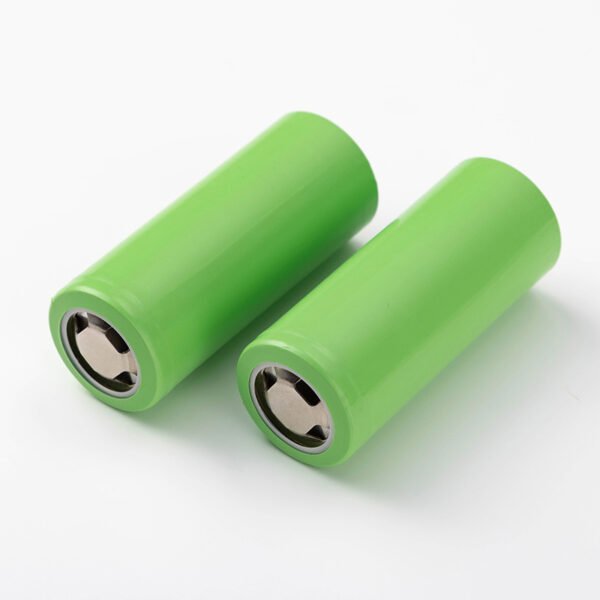
21700 Battery Cell For Portable Power Station | CNS BATTERY
Technical Deep-Dive into High-Performance Cylindrical Cell Solutions
The 21700 battery cell has emerged as the industry-preferred power source for portable power stations, delivering superior energy density and thermal management compared to legacy 18650 formats. As global demand for reliable off-grid energy solutions accelerates across North America, Europe, and Asia-Pacific markets, understanding the technical specifications and compliance requirements becomes critical for engineering teams and procurement specialists. This analysis examines CNS BATTERY’s 21700 cylindrical cell architecture, testing protocols, and regional certification frameworks essential for market deployment.
Core Technical Specifications and Performance Advantages
Energy Density Optimization
The 21700 form factor (21mm diameter × 70mm length) provides approximately 35-50% greater volumetric energy density than 18650 counterparts. CNS BATTERY’s INR21700 series achieves 4,800-5,200mAh capacity at nominal 3.6V-3.7V, translating to 17-19Wh per cell. This enhancement reduces total cell count in portable power station packs, minimizing BMS complexity and connection points while maximizing usable capacity.
Thermal Management Architecture
Cylindrical cell geometry enables superior heat dissipation through radial thermal conduction. The steel casing facilitates uniform temperature distribution during high-current discharge cycles (typically 5A-15A continuous for power station applications). Advanced nickel-cobalt-manganese (NCM) cathode chemistry maintains thermal stability up to 60°C ambient operating conditions, critical for outdoor deployment scenarios.
Cycle Life and Degradation Characteristics
Premium 21700 cells demonstrate 1,000-1,500 full cycle retention at 80% capacity threshold under standard testing conditions (25°C, 0.5C charge/discharge). For portable power station applications targeting 5-8 year service life, this translates to approximately 3-5 years of daily cycling or extended calendar life with intermittent usage patterns.
Standardized Testing Methodologies and Quality Assurance
IEC 62133-2 Compliance Testing
International safety validation requires comprehensive testing per IEC 62133-2 standards, including:
- External short-circuit resistance (≤10mΩ discharge path)
- Overcharge tolerance (1.5× nominal voltage for 7 days)
- Forced discharge capability
- Mechanical abuse testing (crush, impact, vibration)
UL 1973 Energy Storage System Certification
North American market entry mandates UL 1973:2022 compliance for stationary energy storage applications. Testing protocols evaluate cell-level safety integration within battery management systems, including over-temperature protection, cell balancing accuracy, and fault isolation mechanisms. CNS BATTERY maintains production facilities certified for UL component recognition programs.
Environmental Stress Screening
Accelerated aging tests simulate 10-year calendar life through elevated temperature storage (45°C-60°C) combined with periodic cycling. Humidity exposure testing (85% RH at 40°C) validates seal integrity and corrosion resistance for coastal or tropical deployment regions.
Regional Compliance Frameworks and Market Accessibility
European Union Regulatory Requirements
EU market deployment requires CE marking under Low Voltage Directive (LVD 2014/35/EU) and EMC Directive (2014/30/EU). Additionally, RoHS compliance restricts hazardous substances (Pb, Cd, Hg, Cr6+), while Battery Regulation (EU) 2023/1542 mandates carbon footprint disclosure and recycled content minimums effective 2026-2027. EPR registration for battery waste management remains mandatory across all member states.
United States Certification Pathways
US market access requires UL certification (UL 1973 for stationary storage, UL 2252-2025 for EV charging integration) plus FCC electromagnetic compatibility validation. State-specific requirements include California Title 20 energy efficiency standards and New York Energy Storage Safety Program guidelines for residential installations.
Asia-Pacific Market Considerations
China CCC certification became mandatory for lithium-ion batteries in 2024, while Japan PSE marking and Korea KC certification address regional safety expectations. CNS BATTERY’s manufacturing facilities maintain multi-standard certification enabling seamless export to primary global markets.
Strategic Procurement Recommendations
Engineering teams evaluating 21700 cells for portable power station development should prioritize suppliers with documented certification portfolios, traceable raw material sourcing, and capacity for technical support throughout product lifecycle. Geographic proximity to manufacturing reduces supply chain risk while enabling faster iteration cycles during development phases.
For detailed technical specifications and certification documentation, visit our cylindrical battery cell product portfolio. Procurement teams seeking manufacturing partnership opportunities can explore our capabilities as established battery manufacturers in China with comprehensive export compliance infrastructure.
Direct technical consultations and custom specification requests should be directed through our contact portal for expedited engineering support and regional distributor coordination.
This technical analysis reflects current industry standards as of Q1 2026. Certification requirements continue evolving; verify latest regulatory updates before product launch.


