
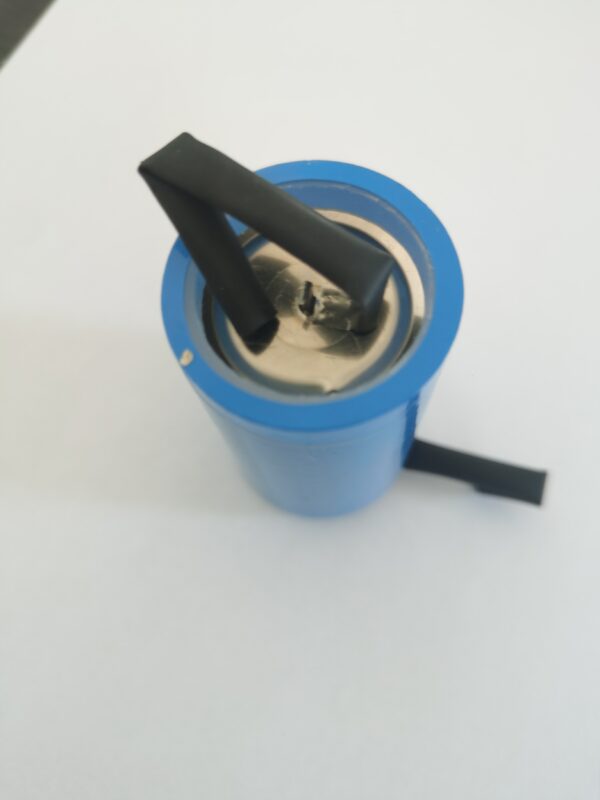
Lithium Sulfur Dioxide Battery for Life Raft Emergency Equipment
Introduction: Critical Power Solutions for Marine Safety
In the maritime industry, emergency equipment reliability can mean the difference between life and death. Life rafts require power sources that deliver consistent performance under extreme conditions, often remaining dormant for years before activation. Lithium Sulfur Dioxide (Li-SO2) primary batteries have emerged as the industry-standard solution for marine emergency lighting, EPIRB systems, and survival equipment. This technical analysis examines why Li-SO2 chemistry remains the preferred choice for life raft applications and what engineering specifications matter most for procurement decisions.
Technical Fundamentals of Li-SO2 Battery Chemistry
Lithium Sulfur Dioxide batteries utilize lithium metal as the anode and liquid sulfur dioxide as both cathode active material and electrolyte solvent. This unique configuration produces a nominal voltage of 3.0V per cell, significantly higher than traditional alkaline or zinc-carbon alternatives. The electrochemical reaction follows: 2Li + 2SO2 → Li2S2O4, generating stable power output throughout the discharge cycle.
The pressurized cell design (typically 3-5 bar at room temperature) enables operation across an exceptional temperature range of -55°C to +70°C. This characteristic proves critical for life raft equipment that may face Arctic waters or tropical conditions without performance degradation. The hermetically sealed stainless steel or aluminum housing prevents electrolyte leakage and maintains integrity during long-term storage periods exceeding 10 years.
Key Performance Advantages for Marine Emergency Applications
Extended Shelf Life: Li-SO2 batteries demonstrate less than 1% annual self-discharge at ambient temperatures. For life raft equipment requiring 5-10 year certification cycles, this minimizes maintenance intervals and ensures immediate availability when emergencies occur.
High Energy Density: With volumetric energy density reaching 600 Wh/L and gravimetric density of 280 Wh/kg, Li-SO2 cells provide maximum power in minimal space—critical for compact life raft designs where weight and volume constraints are stringent.
Pulse Current Capability: Emergency beacon systems require high-current pulses for signal transmission. Li-SO2 chemistry supports pulse discharge rates up to 5C while maintaining voltage stability, unlike lithium thionyl chloride alternatives that may experience voltage delay.
Low-Temperature Performance: At -40°C, Li-SO2 batteries retain approximately 80% of room-temperature capacity. This outperforms most primary battery chemistries and ensures emergency equipment functions in polar maritime environments.
Safety Considerations and Regulatory Compliance
Marine emergency equipment must comply with IMO (International Maritime Organization), SOLAS (Safety of Life at Sea), and MED (Marine Equipment Directive) certifications. Li-SO2 batteries designed for life raft applications incorporate multiple safety features:
- Pressure relief vents prevent catastrophic failure during thermal events
- Glass-to-metal seals maintain hermetic integrity under vibration and shock
- Non-magnetic construction avoids interference with navigation equipment
Transport regulations classify Li-SO2 batteries as UN 3090 (lithium metal batteries), requiring specific packaging and documentation for international shipment. Manufacturers must provide MSDS, UN 38.3 test reports, and IEC 60086-4 compliance certificates for marine procurement.
Selection Criteria for Technical Procurement
When evaluating Li-SO2 batteries for life raft systems, engineering teams should verify:
- Capacity Ratings: Confirm mAh specifications at relevant discharge rates (typically C/100 for standby, 1C for emergency activation)
- Operating Temperature Range: Ensure certification covers expected environmental extremes
- Storage Requirements: Validate shelf-life claims with accelerated aging test data
- Terminal Configuration: Match connector types to existing equipment harnesses
- Certification Documentation: Request complete compliance packages for audit trails
Conclusion: Partnering with Specialized Battery Manufacturers
Selecting the right Li-SO2 battery supplier requires technical expertise and manufacturing transparency. Quality manufacturers provide application engineering support, custom configuration options, and traceable production records essential for marine safety equipment certification.
For detailed technical specifications and engineering consultation on Li-SO2 primary batteries suitable for life raft emergency equipment, explore our comprehensive product portfolio at Primary Battery Solutions. Our technical team supports global marine equipment manufacturers with customized power solutions meeting international safety standards.
To discuss specific application requirements, certification needs, or request sample testing, contact our engineering department directly through Primary Battery Contact. We provide technical documentation, compliance certificates, and application support for maritime safety equipment manufacturers worldwide.
Reliable emergency power demands proven chemistry, rigorous testing, and manufacturing excellence. Li-SO2 batteries continue to set the benchmark for life raft applications where failure is not an option.
