21700 Battery Cell For Electric Motorcycle | CNS BATTERY
The electric motorcycle industry is undergoing a significant technological shift, moving beyond basic commuter models toward high-performance, long-range machines. At the heart of this evolution lies the power source. As a professional lithium battery practitioner, it is evident that the 21700 battery cell has emerged as the optimal compromise between energy density, thermal management, and structural integrity for two-wheeled electric vehicles. At CNS BATTERY, we recognize that selecting the right cylindrical cell is critical for engineering teams and technical purchasers aiming to deliver reliable mobility solutions.
Optimizing Volumetric Energy Density
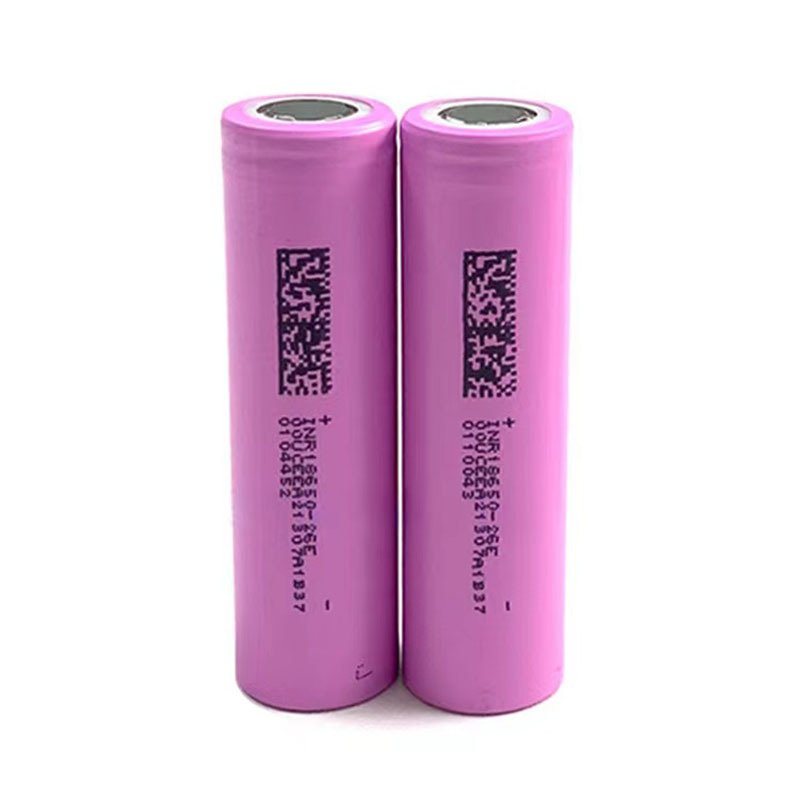
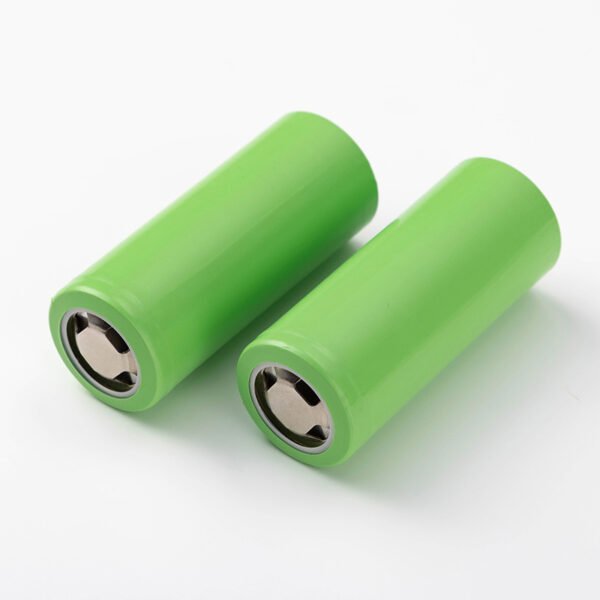
The transition from 18650 to 21700 format is not merely about size; it is about volumetric efficiency. For electric motorcycles, where frame space is at a premium, the 21700 cell offers approximately 35% to 50% more volume than its 18650 counterpart. This increase allows for a higher capacity per cell, typically ranging from 4000mAh to 5000mAh depending on the chemistry (NCM or LFP).
From a pack design perspective, using fewer cells to achieve the same total voltage and capacity reduces the complexity of the Battery Management System (BMS) and decreases the number of weld points. This reduction directly correlates to lower internal resistance within the pack and improved overall reliability. For engineers designing high-voltage packs (72V or higher), the 21700 format simplifies the series-parallel configuration, ensuring a more compact battery box that fits seamlessly into motorcycle chassis constraints. You can explore our specific technical specifications for these formats at Cylindrical Battery Cell.
Thermal Management and Power Delivery
Electric motorcycles demand high discharge rates, particularly during acceleration and hill climbing. The 21700 cell structure provides a larger surface area for heat dissipation compared to smaller formats, yet maintains a manageable diameter for thermal coupling. In high-performance applications, the continuous discharge current often exceeds 3C, with peak bursts reaching 5C or higher.
Our analysis indicates that the internal resistance of high-quality 21700 cells is pivotal. Lower resistance minimizes heat generation during high-load operations. For overseas markets, where safety standards are rigorous, thermal runaway prevention is paramount. The steel casing of the 21700 cell offers robust mechanical protection, while advanced venting mechanisms prevent catastrophic failure under extreme conditions. When integrating these cells, engineers must consider the thermal interface materials between cells and the cooling plate to maintain optimal operating temperatures between 20°C and 45°C.
Durability and Vibration Resistance
Unlike electric cars, motorcycles are subjected to significantly higher levels of vibration and shock. The structural integrity of the cell is therefore non-negotiable. The 21700 form factor offers a superior strength-to-weight ratio. The thicker casing walls compared to 18650 cells provide better resistance to mechanical stress caused by road irregularities.
Furthermore, cycle life is a key metric for B2B purchasers. A premium 21700 cell should deliver over 1000 cycles at 80% Depth of Discharge (DOD) while maintaining capacity retention. Consistency in cell manufacturing is crucial here. Mismatched cells can lead to imbalances, reducing the pack’s lifespan. This is why partnering with established battery manufacturers in China with automated production lines and strict QC protocols is essential for ensuring cell matching and long-term performance.
Safety Standards and Global Compliance
For export-oriented motorcycle manufacturers, compliance with international standards such as UN38.3, IEC 62133, and UL certifications is mandatory. The 21700 cells utilized in professional packs must undergo rigorous testing for overcharge, over-discharge, short circuit, and drop tests. CNS BATTERY adheres to these global protocols, ensuring that every cell leaving the facility meets the safety expectations of North American and European markets.
Technical purchasers should prioritize suppliers who provide comprehensive test reports and traceability for each batch. This transparency mitigates risk in the supply chain and ensures that the final product meets local regulatory requirements without delays.
Conclusion
The adoption of the 21700 battery cell represents a strategic advantage for electric motorcycle manufacturers seeking to balance range, power, and safety. By leveraging the volumetric efficiency and thermal characteristics of this format, engineering teams can design superior battery packs that meet the demanding requirements of modern e-mobility.
At CNS BATTERY, we are committed to providing high-consistency, high-performance cylindrical cells tailored for the electric vehicle industry. Whether you are optimizing a new prototype or scaling production, our technical team is ready to support your specific voltage and capacity needs. For detailed inquiries regarding customization, pricing, or technical data sheets, please reach out to us via our Contact Page. Let us power the next generation of electric mobility together with reliable, engineered energy solutions.