
How to Prevent Li-SO₂ Battery Corrosion in Offshore Marine Beacons
Offshore marine beacons operate in one of the most unforgiving environments on Earth. Constant exposure to salt spray, high humidity, and extreme temperature fluctuations demands power sources that are not only long-lasting but also impervious to environmental degradation. Lithium Sulfur Dioxide (Li-SO₂) batteries have long been the industry standard for these applications due to their high energy density and wide operating temperature range. However, corrosion remains a critical failure mode that can compromise beacon integrity and lead to costly maintenance operations. For B2B procurement managers and marine engineers, understanding the mechanisms of corrosion and implementing robust prevention strategies is essential for ensuring operational reliability in 2026 and beyond.
Understanding the Corrosion Mechanism
To prevent corrosion, one must first understand its origin. Li-SO₂ batteries utilize liquid sulfur dioxide as both the cathode active material and the electrolyte solvent. While this chemistry provides excellent performance, the electrolyte is inherently aggressive. Corrosion in marine beacons typically manifests in two ways: internal leakage due to seal failure and external terminal corrosion accelerated by salt mist.
The primary vulnerability lies in the battery seal. If the hermetic seal between the battery case and the cover head is compromised, even microscopically, the electrolyte can leak. In an offshore environment, this leakage reacts with salt deposits on the battery surface, creating conductive paths that accelerate galvanic corrosion on the terminals and the beacon’s internal circuitry. Furthermore, the passivation layer that forms on the lithium anode, while beneficial for shelf life, can cause voltage delays if the battery is not properly conditioned, leading engineers to mistakenly diagnose power failure when the issue is actually surface corrosion increasing contact resistance.
Technical Prevention Strategies
Preventing corrosion requires a multi-layered approach focusing on cell design, protection systems, and installation protocols.
1. Hermetic Sealing Technology
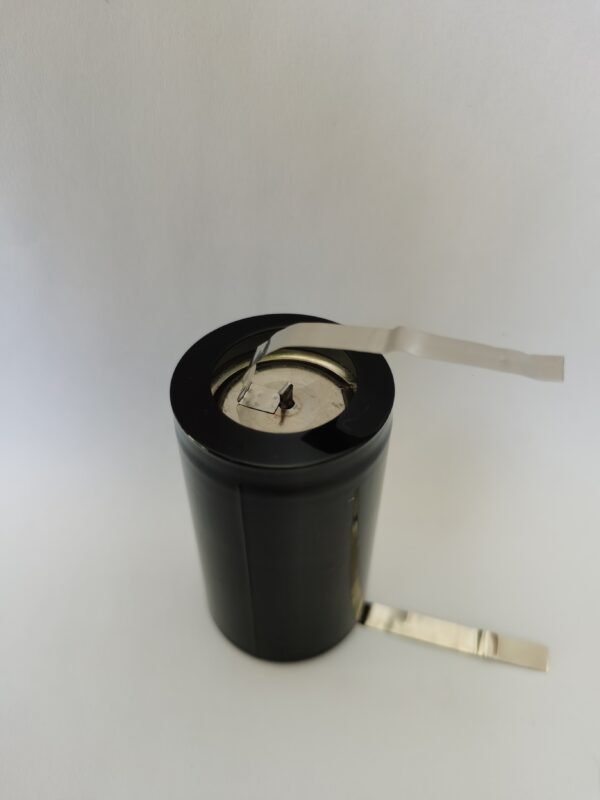
The first line of defense is the battery construction itself. High-quality Li-SO₂ cells for marine use must feature laser-welded hermetic seals rather than crimped seals. Laser welding ensures a glass-to-metal or metal-to-metal bond that is impervious to the high internal pressures generated during operation and the external pressure changes experienced in marine environments. Procurement specifications should explicitly require leak rate testing standards, such as helium mass spectrometry, to guarantee seal integrity over a 10-year lifespan.
2. Terminal Protection and Coating
External corrosion often starts at the positive and negative terminals. To mitigate this, batteries should be equipped with corrosion-resistant terminal materials, such as nickel-plated brass or stainless steel. Additionally, applying a conformal coating or epoxy potting around the terminal base prevents salt creep—the phenomenon where salt crystals wick moisture and electrolyte along the surface of the metal. For beacon manufacturers, integrating a protective gasket or O-ring around the battery compartment is crucial to isolate the power source from direct salt spray exposure.
3. Thermal and Vibration Management
Offshore beacons are subject to constant vibration from waves and wind. Mechanical stress can fracture internal welds or compromise seals. Batteries should be mounted using vibration-dampening brackets. Moreover, while Li-SO₂ batteries operate well in extreme temperatures, thermal cycling can cause expansion and contraction that stresses the seal. Installing beacons in shaded areas or using thermal insulation housings can reduce the amplitude of temperature swings, thereby extending seal life.
Compliance and Regulatory Considerations
In 2026, regulatory compliance is as critical as technical performance. The International Maritime Dangerous Goods (IMDG) Code 42-24 amendment, which became mandatory in January 2026, introduces stricter guidelines for the transport and handling of lithium batteries. For offshore installations, ensuring that your power source complies with UN 38.3 testing requirements is non-negotiable. This includes tests for altitude simulation, thermal cycling, and external short circuit.
Furthermore, environmental regulations are tightening regarding hazardous material leakage. A corroded battery that leaks electrolyte into the marine environment can lead to significant fines under international pollution prevention conventions. Therefore, selecting batteries from manufacturers who adhere to IEC 60086-4 standards for safety and environmental protection is a key risk mitigation strategy.
Procurement Best Practices for B2B Buyers
When sourcing Li-SO₂ batteries for offshore projects, B2B buyers should look beyond price and capacity. The total cost of ownership includes maintenance visits, which are exponentially more expensive for offshore assets than onshore ones.
- Verify Manufacturing Date: Li-SO₂ batteries have a long shelf life, but purchasing cells that are too old can increase the risk of passivation issues. Request cells manufactured within the last 12 months.
- Request Test Reports: Ask for specific corrosion resistance test reports, including salt spray test results (e.g., ASTM B117) for the battery casing and terminals.
- Supplier Reliability: Partner with suppliers who offer technical support for integration. A reliable partner ensures that the battery form factor fits the beacon housing without forcing, which could stress the seals.
For organizations seeking high-reliability primary batteries tailored for harsh marine environments, it is vital to work with established manufacturers who understand these specific challenges. You can explore a range of certified industrial battery solutions at https://cnsbattery.com/primary-battery/. Ensuring you have direct access to technical expertise is also crucial for custom integration needs; therefore, maintaining a line of communication with your supplier is recommended. For specific inquiries regarding corrosion-resistant specifications or bulk procurement for marine projects, you can reach out directly via https://cnsbattery.com/primary-battery-contact-us/.
Case Study: The North Sea Beacon Upgrade
A notable case involved a navigation authority in the North Sea that experienced a 15% failure rate in their beacon power systems due to terminal corrosion. The root cause was identified as the use of standard crimped-seal batteries in high-salinity zones. By switching to laser-welded Li-SO₂ cells with nickel-plated terminals and implementing a silicone gasket isolation method in the battery compartment, the failure rate dropped to less than 0.5% over a three-year period. This transition not only improved reliability but also reduced maintenance vessel deployments, resulting in significant cost savings.
Conclusion
Preventing Li-SO₂ battery corrosion in offshore marine beacons is not about a single fix but a system-wide commitment to quality and design. From selecting hermetically sealed cells to adhering to the latest 2026 IMDG regulations, every step contributes to the longevity of the marine infrastructure. For B2B stakeholders, the focus must remain on verified performance data, robust sealing technology, and proactive maintenance planning. By prioritizing these factors, operators can ensure their beacons remain visible and reliable, safeguarding maritime navigation against the relentless forces of the ocean.
