

Bulk Battery For Low Speed Vehicle Manufacturer | CNS BATTERY
The low-speed vehicle (LSV) industry is experiencing unprecedented growth globally, driven by urbanization, environmental regulations, and the shift toward sustainable transportation. At the heart of every electric LSV lies a critical component: the bulk battery system. For manufacturers seeking reliable, high-performance battery solutions, partnering with an experienced supplier like CNS BATTERY ensures optimal power delivery, safety, and longevity.
Understanding Bulk Battery Requirements for Low-Speed Vehicles
Low-speed vehicles encompass a diverse range of applications, including electric golf carts, neighborhood electric vehicles (NEVs), utility carts, and industrial transporters. These vehicles typically operate at speeds below 25 mph (40 km/h) and require battery systems that balance energy density, cycle life, and cost-effectiveness.
Key Technical Specifications:
- Voltage Range: 48V to 72V systems are most common
- Capacity: 50Ah to 300Ah depending on application
- Cycle Life: Minimum 2,000 cycles at 80% depth of discharge
- Operating Temperature: -20°C to 60°C for diverse climates
- Safety Standards: UN38.3, IEC62133, UL certification compliance
Why Lithium-Ion Outperforms Traditional Lead-Acid
The transition from lead-acid to lithium-ion battery technology represents a fundamental shift in LSV manufacturing. Lithium-ion batteries offer three to five times longer cycle life, 50% weight reduction, and consistent power output throughout the discharge cycle.
Technical Advantages:
- Higher Energy Density: Lithium cells deliver 150-250 Wh/kg compared to 30-50 Wh/kg for lead-acid
- Faster Charging: Accepts charge rates up to 1C without degradation
- Lower Self-Discharge: Less than 3% per month versus 5-15% for lead-acid
- Maintenance-Free: No water topping or equalization charging required
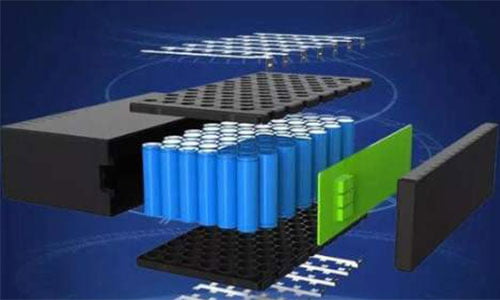
For manufacturers evaluating battery chemistry, cylindrical lithium cells provide excellent thermal management and mechanical stability. Explore our cylindrical battery cell solutions for detailed specifications and performance data.
Critical Considerations for Bulk Battery Procurement
When sourcing bulk batteries for LSV production, manufacturers must evaluate multiple factors beyond unit price. Supply chain reliability, technical support, and customization capabilities directly impact production timelines and product quality.
1. Manufacturing Capacity and Lead Times
Established battery manufacturers maintain production capacities that accommodate large-volume orders without compromising quality control. Typical lead times range from 4-8 weeks for standard configurations, with expedited options available for urgent projects.
2. Battery Management System (BMS) Integration
A robust BMS protects against overcharge, over-discharge, short circuits, and thermal runaway. Advanced systems include cell balancing, state-of-charge estimation, and communication protocols (CAN bus, RS485) for vehicle integration.
3. Customization Flexibility
LSV applications vary significantly in space constraints and power requirements. Suppliers offering custom pack configurations, connector options, and mounting solutions reduce engineering overhead for manufacturers.
Quality Assurance and Certification Compliance
International markets demand strict adherence to safety and performance standards. Reputable battery manufacturers maintain comprehensive quality management systems and hold relevant certifications for target markets.
Essential Certifications:
- UN38.3: Transportation safety for lithium batteries
- IEC62133: Safety requirements for portable applications
- UL 2271: Batteries for use in light electric vehicle applications
- CE/RoHS: European market compliance
- MSDS: Material safety documentation
Partnering with certified battery manufacturers in China provides access to competitive pricing without sacrificing quality or compliance standards.
Total Cost of Ownership Analysis
While lithium-ion batteries command higher upfront costs, the total cost of ownership (TCO) favors lithium technology over the vehicle lifecycle. Consider these factors:
- Replacement Frequency: Lead-acid requires replacement every 1-2 years; lithium lasts 5-8 years
- Energy Efficiency: Lithium systems achieve 95%+ round-trip efficiency versus 70-80% for lead-acid
- Warranty Claims: Lower failure rates reduce warranty expenses
- Resale Value: Vehicles with lithium batteries retain higher market value
Partnering with CNS BATTERY for Your LSV Projects
CNS BATTERY specializes in delivering bulk battery solutions tailored to low-speed vehicle manufacturers. Our engineering team provides technical support from concept through production, ensuring seamless integration and optimal performance.
Our Commitment:
- Consistent quality across production batches
- Flexible MOQ for prototype and volume orders
- Technical documentation and testing reports
- Responsive after-sales support
For detailed inquiries about bulk battery procurement, customization options, or technical specifications, visit our contact page to connect with our sales and engineering teams.
Conclusion
The shift toward electrification in the low-speed vehicle sector demands battery partners who understand both technical requirements and manufacturing realities. Bulk battery solutions from experienced suppliers like CNS BATTERY enable manufacturers to deliver reliable, efficient, and compliant vehicles to global markets. By prioritizing quality, certification, and long-term partnership, LSV manufacturers can accelerate their product development while minimizing supply chain risks.
Investing in the right battery technology today positions your company for success in tomorrow’s sustainable transportation landscape.


