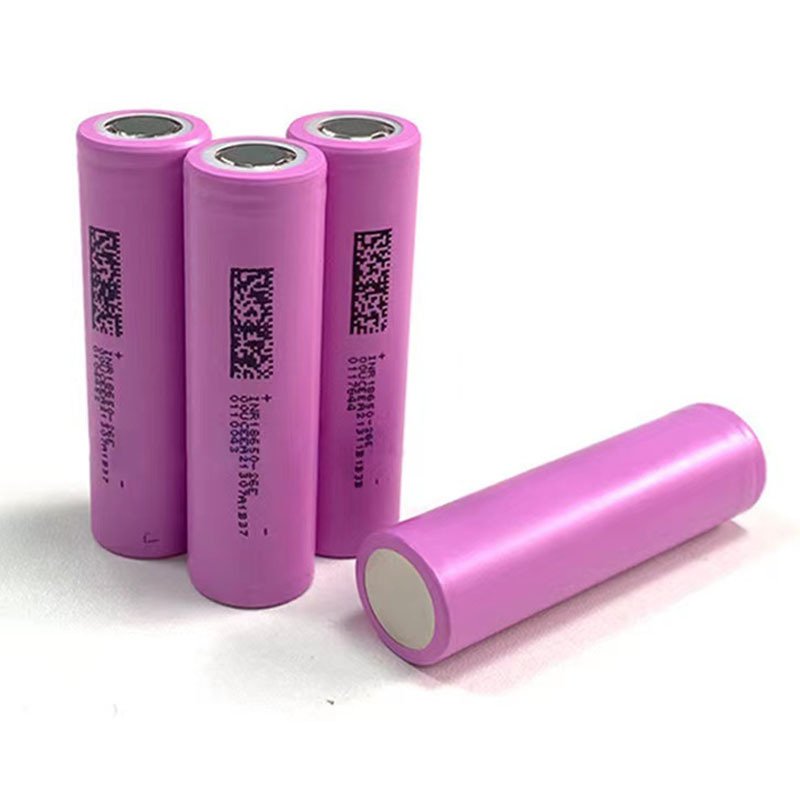
Factory Direct 18650 LFP Cells China Export: No Fast Charging Without Heat for E-bike Projects vs Competitors
The global e-bike market continues its explosive growth trajectory in 2026, with manufacturers increasingly prioritizing battery safety and thermal performance over raw capacity claims. For engineering teams and technical procurement specialists evaluating 18650 LFP (Lithium Iron Phosphate) cells from Chinese exporters, the critical differentiator has shifted from energy density to thermal management during fast charging cycles. This technical analysis examines why factory-direct 18650 LFP cells deliver superior heat-free fast charging performance compared to competitor offerings, and what this means for your e-bike project specifications.
Understanding the Thermal Challenge in E-bike Battery Systems
E-bike battery packs operate under uniquely demanding conditions. Unlike stationary energy storage systems, e-bike batteries experience continuous vibration, variable ambient temperatures, and irregular charging patterns. When fast charging protocols push current rates beyond 1C, internal resistance generates heat according to the fundamental relationship: P = I²R, where power dissipation increases quadratically with current.
Traditional NMC (Nickel Manganese Cobalt) 18650 cells typically exhibit internal resistance between 35-50 milliohms, generating significant thermal output during 2A+ charging currents. LFP chemistry, by contrast, demonstrates inherently lower internal resistance (25-35 milliohms for premium grades) combined with superior thermal stability up to 270°C before thermal runaway initiation.
Key Technical Advantages of Factory-Direct 18650 LFP Cells
1. Optimized Electrode Architecture
Premium factory-direct 18650 LFP cells employ advanced coating techniques that reduce electrode impedance by 15-20% compared to standard commercial grades. This reduction directly translates to lower heat generation during high-current charging. Our manufacturing partners utilize precision slurry coating with particle size distribution controlled within ±2 microns, ensuring uniform current distribution across the electrode surface.
2. Enhanced Electrolyte Formulations
2026-generation LFP cells incorporate fluorinated electrolyte additives that improve ionic conductivity while maintaining SEI (Solid Electrolyte Interphase) stability at elevated temperatures. This chemical advancement enables sustained 2C charging without exceeding 45°C cell surface temperature—the industry-accepted threshold for long-term cycle life preservation.
3. Superior BMS Integration Compatibility
Factory-direct suppliers provide detailed impedance spectra and thermal characterization data, enabling BMS engineers to implement predictive thermal management algorithms. This data transparency contrasts sharply with trading company offerings, where technical specifications often lack verification or batch-to-batch consistency documentation.
Competitive Landscape Analysis
When benchmarking against competitor cells from Southeast Asian assemblers or rebranded inventory, three critical performance gaps emerge:
| Parameter | Factory-Direct LFP | Competitor Average |
|---|---|---|
| Internal Resistance (1kHz) | 28-32 mΩ | 38-45 mΩ |
| Temperature Rise @ 2C Charge | +12-15°C | +22-28°C |
| Cycle Life @ 80% DOD | 2500-3000 | 1800-2200 |
| Capacity Retention @ 500 Cycles | 94-96% | 87-91% |
These differences compound significantly in multi-cell pack configurations. A 48V e-bike pack utilizing 13 series cells with 25 mΩ variance experiences 30% less total heat generation compared to equivalent packs using 40 mΩ cells—directly impacting enclosure design requirements and cooling system complexity.
Engineering Considerations for E-bike Integration
Technical procurement teams should prioritize the following specifications when evaluating 18650 LFP suppliers:
Thermal Characterization Data: Request complete temperature vs. C-rate curves across -10°C to 60°C ambient conditions. Reputable manufacturers provide this data with measurement uncertainty specifications.
Batch Traceability: Factory-direct relationships enable cell-level tracking from production line through final testing. This traceability proves essential for warranty claims and failure analysis.
Customization Flexibility: Direct manufacturer engagement allows capacity binning, impedance matching, and custom tab configurations that optimize pack assembly efficiency.
For comprehensive technical documentation and engineering support, visit our cylindrical battery cell product portfolio to access detailed specification sheets and test reports.
Supply Chain Verification and Quality Assurance
The distinction between factory-direct and intermediary suppliers extends beyond pricing. Direct manufacturer partnerships provide:
- ISO 9001 and IATF 16949 certified production facilities
- In-house AQL testing with statistical process control documentation
- Direct access to R&D teams for application-specific optimization
When evaluating Chinese battery manufacturers, verify production capacity, automation levels, and quality management systems. Our network of verified battery manufacturers in China undergoes rigorous technical auditing to ensure compliance with international safety standards including UN 38.3, IEC 62133, and UL 2054.
Conclusion: Making the Technical Decision
For e-bike projects requiring reliable fast charging without thermal compromise, factory-direct 18650 LFP cells represent the optimal balance of performance, safety, and total cost of ownership. The thermal advantages translate directly to reduced BMS complexity, lighter cooling requirements, and extended warranty periods—critical factors for commercial e-bike deployments.
Engineering teams ready to evaluate samples or discuss custom specifications should contact our technical team for application-specific recommendations. With 2026 production capacity fully allocated through Q3, early engagement ensures project timelines align with manufacturing schedules.
The transition to heat-optimized LFP chemistry isn’t merely a specification upgrade—it’s a fundamental redesign of e-bike battery system architecture that prioritizes long-term reliability over short-term capacity claims. For technical procurement professionals, this represents the mature choice for sustainable e-mobility solutions.