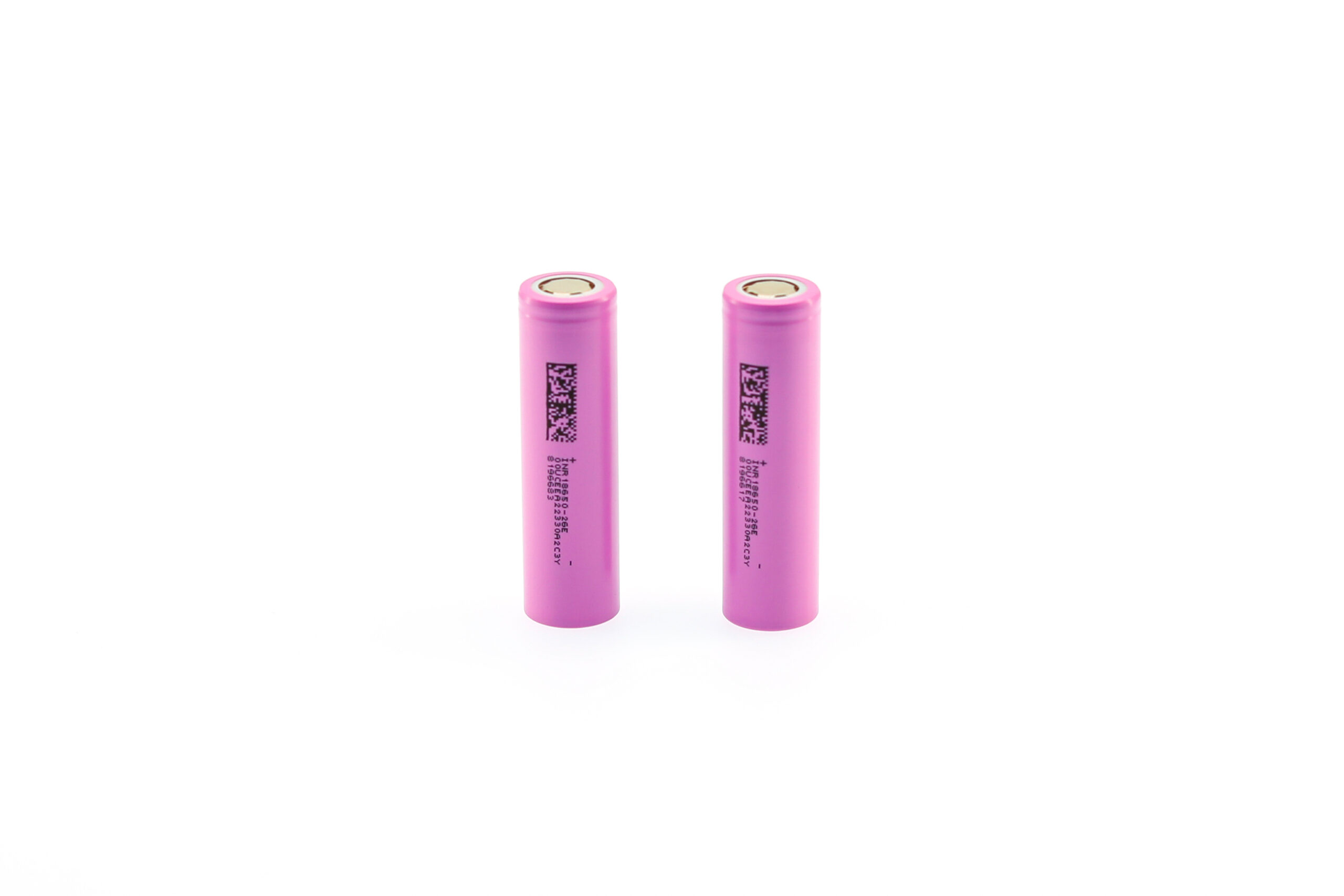
Factory Direct 21700 LFP Cells China Export: No Perfect Cell Matching for Electric Vehicle Projects vs Competitors
In the rapidly evolving landscape of electric vehicle (EV) development, the procurement strategy for battery cells often dictates the success or failure of a project. As engineering teams increasingly look toward factory direct 21700 LFP cells China export channels to optimize costs, a critical technical challenge emerges: cell matching consistency. While cost efficiency is attractive, the reality is that there is no perfect cell matching available from all factory-direct sources when compared to top-tier competitors. For technical purchasers and system engineers, understanding the nuances of lithium iron phosphate (LFP) consistency is vital to mitigating long-term reliability risks in EV packs.
The Critical Role of Cell Matching in LFP Chemistry
Lithium Iron Phosphate (LFP) chemistry is renowned for its thermal stability and long cycle life, making it a preferred choice for commercial EVs and energy storage systems. However, the performance of a battery pack is only as strong as its weakest cell. In a series-parallel configuration, cells must be meticulously matched across three key parameters: capacity, voltage, and internal resistance (AC-IR).
From a technical perspective, even minor deviations in internal resistance can lead to uneven heat generation during high-current discharge scenarios typical in EV applications. If a batch of 21700 cells exhibits a resistance variance exceeding 3-5 milliohms, the higher-resistance cells will dissipate more power as heat, accelerating degradation. Furthermore, capacity mismatch forces the Battery Management System (BMS) to limit the pack’s usable energy to the lowest capacity cell, effectively wasting the potential of the entire assembly. This is why premium competitors invest heavily in automated grading and binning processes, a capability that varies significantly among factory-direct exporters.
The Reality of Factory-Direct Exports vs. Competitors
The term “factory direct” often implies cost savings by removing intermediaries. However, in the context of battery manufacturers in China, not all production lines possess the same level of quality control infrastructure. Top-tier competitors utilize advanced AI-driven sorting machines that group cells into tight bins (e.g., capacity tolerance within ±10mAh). In contrast, some factory-direct export channels may offer cells with wider tolerances to meet lower price points.
For EV project managers, this discrepancy presents a hidden cost. A pack built with poorly matched cells requires a more complex BMS to manage balancing, increases the risk of thermal runaway propagation, and shortens the overall warranty period. When evaluating suppliers, it is crucial to request detailed test reports regarding cell consistency rather than relying solely on nominal specifications. Engineers should verify if the supplier performs post-aging sorting, a process essential for stabilizing LFP voltage curves before shipment.
Technical Risks of Inconsistent Cell Integration
Integrating inconsistent 21700 LFP cells into an EV project introduces several failure modes:
- Accelerated Cycle Life Degradation: Mismatched cells reach full charge or discharge at different times. The BMS must cut off charging when the highest voltage cell reaches the limit, leaving other cells undercharged. Over hundreds of cycles, this imbalance widens, drastically reducing pack lifespan.
- Thermal Management Complexity: Uneven internal resistance creates hot spots within the pack. This demands a more aggressive thermal management system, adding weight and cost to the vehicle design.
- Safety Margins: In extreme cases, severe mismatching can lead to over-discharge of weaker cells, causing copper dissolution and internal shorts, which compromises the inherent safety of LFP chemistry.
Mitigating Risks Through Strategic Sourcing
To navigate these challenges, procurement teams must adopt a rigorous validation process. It is not enough to simply source the cheapest cylindrical battery cell available. Partners should be evaluated on their ability to provide consistent binning data and traceability. Reliable manufacturers will offer samples for independent third-party testing to verify capacity distribution and impedance spectra.
For engineers seeking reliable supply chains, it is essential to connect with verified partners who understand the technical demands of EV projects. You can explore specific product specifications and technical data sheets at Cylindrical Battery Cell Products to ensure the cells meet your project’s tolerance requirements. Furthermore, establishing direct communication with the manufacturing team allows for clearer alignment on quality standards. Reach out directly via our Contact Page to discuss custom binning requirements and audit reports.
Conclusion
While the allure of factory-direct pricing is strong, the absence of perfect cell matching in some export channels remains a significant technical hurdle for EV projects. The difference between a successful long-life pack and a premature failure often lies in the consistency of the 21700 LFP cells used. By prioritizing suppliers with robust grading capabilities and transparent quality processes, engineers can secure the reliability needed for competitive electric vehicles. For a comprehensive overview of verified production capabilities and industry standards, review our insights on Battery Manufacturers in China. In the high-stakes world of electric mobility, consistency is not just a specification—it is the foundation of safety and performance.