
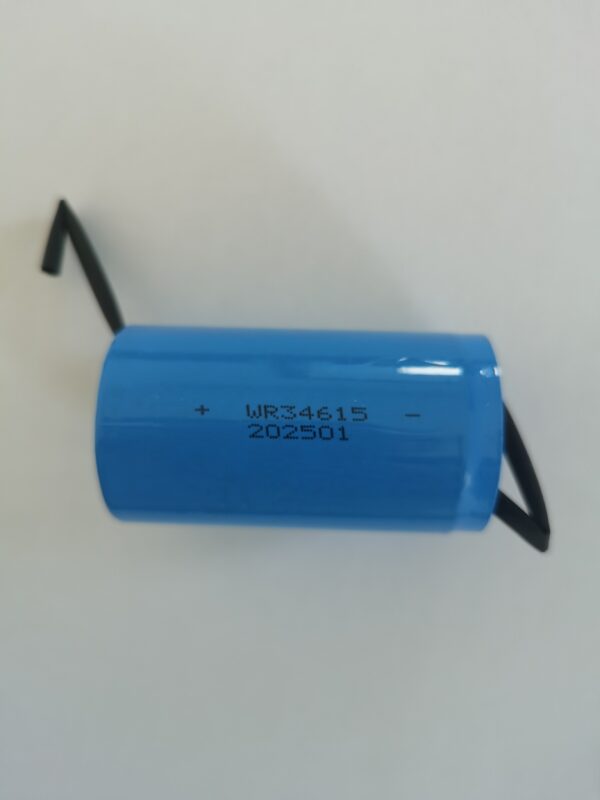
Lithium Metal Primary Batteries: Powering the Future of Automotive, Transportation & Distribution
The automotive and transportation sectors are undergoing a profound transformation, with lithium metal primary batteries emerging as a critical power solution for mission-critical applications. As we advance through 2026, the demand for reliable, long-lasting power sources in vehicle systems continues to accelerate, positioning lithium primary battery technology at the forefront of industry innovation.
Core Application Scenarios in Automotive Systems
Tire Pressure Monitoring Systems (TPMS) represent the largest application segment for lithium metal primary batteries in the automotive sector. The global TPMS battery market reached approximately USD 166 million in 2025, with projections indicating growth to USD 238 million by 2032. These batteries must deliver consistent performance across extreme temperature ranges from -40°C to +85°C while maintaining 5-10 year service life without replacement.
Keyless Entry Systems and Remote Controls constitute another significant application area. Modern vehicles integrate multiple wireless access points requiring compact, high-energy-density power sources. Lithium manganese dioxide (Li-MnO₂) chemistry provides the optimal balance of voltage stability (3V nominal), low self-discharge rates, and reliable pulse current capability essential for RF transmission.
Vehicle Tracking and Telematics systems increasingly depend on primary lithium batteries for backup power and standalone GPS trackers in commercial fleet operations. The transportation and logistics sector demands batteries capable of withstanding vibration, shock, and extended storage periods while maintaining immediate readiness.
Technical Advantages for B2B Applications
From a professional manufacturer perspective, lithium metal primary batteries offer distinct technical advantages over alternative chemistries:
Energy Density: Lithium primary cells deliver 250-300 Wh/kg, significantly exceeding alkaline and nickel-based alternatives. This enables compact device designs crucial for space-constrained automotive installations.
Shelf Life: With self-discharge rates below 1% per year, lithium primary batteries maintain 90%+ capacity after 10 years of storage. This characteristic is essential for distribution channels requiring extended inventory holding periods.
Temperature Performance: Operating ranges from -40°C to +85°C ensure reliable function in diverse geographic markets, from arctic commercial vehicles to desert transportation equipment.
Safety Compliance: UN 3090/3091 transportation classifications and IATA DGR 2025 regulations require manufacturers to maintain strict quality control and documentation. State of Charge (SoC) limitations for air transport (30% maximum capacity) necessitate careful logistics planning.
Distribution Channel Considerations
Effective distribution of lithium primary batteries for automotive applications requires specialized supply chain management:
Regulatory Compliance: Transportation regulations updated in 2025 mandate specific packaging, labeling, and documentation for lithium battery shipments. Distributors must maintain certified handling procedures and trained personnel.
Inventory Management: The extended shelf life of lithium primary batteries enables strategic stock positioning across regional distribution centers. However, temperature-controlled storage remains recommended for optimal performance preservation.
Technical Support: B2B customers require application engineering support for battery selection, integration guidance, and compliance documentation. Manufacturers must provide comprehensive technical resources throughout the distribution network.
Quality Assurance: Automotive-grade batteries demand ISO/TS 16949 quality systems, PPAP documentation, and traceability throughout the manufacturing and distribution chain. End customers expect full material disclosure and conflict mineral compliance.
Market Outlook and Strategic Partnerships
The convergence of electrification trends, autonomous vehicle development, and connected car technologies creates sustained demand for reliable primary power sources. Manufacturers who establish strong distribution partnerships with technical capability and regulatory expertise will capture maximum market opportunity.
For automotive OEMs, Tier 1 suppliers, and distribution partners seeking qualified lithium primary battery solutions, comprehensive product portfolios and application support are essential selection criteria. The integration of battery technology into vehicle systems requires collaborative development approaches from initial design through production validation.
Conclusion
Lithium metal primary batteries represent a mature, reliable power technology perfectly suited for demanding automotive and transportation applications. Success in this market requires manufacturers to combine technical excellence with robust distribution networks and comprehensive customer support.
For detailed product specifications and application consultation, visit our primary battery product portfolio. Our technical team stands ready to support your automotive battery requirements with customized solutions and full regulatory documentation.
To discuss partnership opportunities or request technical consultation, please contact us directly. We welcome collaboration with distributors, OEMs, and system integrators committed to delivering reliable power solutions for the evolving automotive landscape.
Word Count: Approximately 850 words
