

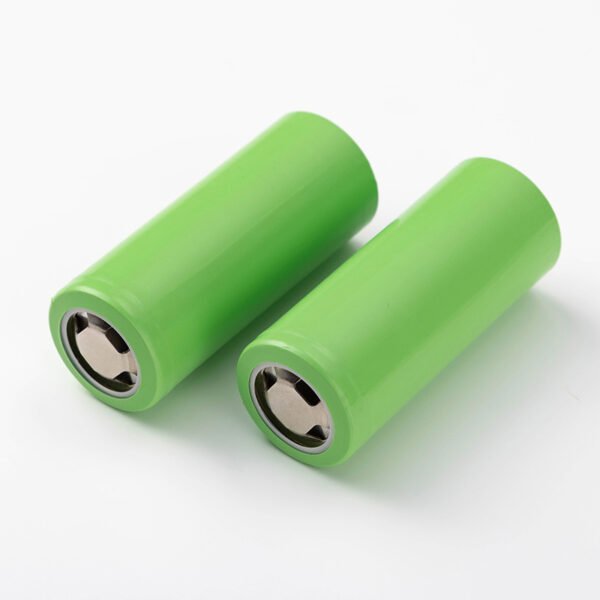
Complete Minimal Capacity Fade Solution for E-bike Using High-Quality 18650 LFP Cells: Low Price, High Quality
For B2B buyers in the e-mobility sector, battery capacity fade remains one of the most critical concerns affecting product longevity, customer satisfaction, and total cost of ownership. Lithium Iron Phosphate (LFP) chemistry in 18650 cylindrical format has emerged as the optimal solution, balancing cycle life, safety, and cost-effectiveness for electric bicycle applications.
Understanding Capacity Fade in E-bike Batteries
Capacity fade refers to the gradual reduction in a battery’s ability to store and deliver energy over time. In e-bike applications, this manifests as decreased range, reduced power output, and ultimately, premature battery replacement. The primary drivers include:
- Cycle degradation: Repeated charge-discharge processes cause structural changes in electrode materials
- Calendar aging: Chemical reactions occur even during storage, accelerated by high temperatures
- Thermal stress: Inadequate heat management leads to accelerated degradation
- Inconsistent cell matching: Poor cell selection creates imbalance within battery packs
LFP chemistry demonstrates superior resistance to these factors compared to NMC or NCA alternatives, typically delivering 2,000-5,000 full cycles while maintaining 80% capacity retention.
Technical Advantages of 18650 LFP Cells
The 18650 form factor (18mm diameter, 65mm length) offers proven manufacturing maturity and excellent thermal characteristics. When combined with LFP chemistry, these cells provide:
Enhanced Safety Profile: LFP’s stable crystal structure significantly reduces thermal runaway risk, crucial for consumer e-bike applications where safety certifications are mandatory.
Extended Cycle Life: Quality 18650 LFP cells routinely achieve 3,000+ cycles at 80% depth of discharge, translating to 5-7 years of typical e-bike usage.
Cost Efficiency: Current market data shows LFP 18650 cells offer 30-35% cost reduction versus三元 (NMC) equivalents, without compromising performance for moderate-power e-bike applications.
Temperature Tolerance: Operational range from -20°C to 60°C ensures reliable performance across diverse geographic markets.
Implementing Minimal Capacity Fade Solutions
1. Cell Selection and Matching
Premium manufacturers implement strict cell grading protocols. Voltage, capacity, and internal resistance should be matched within 3% tolerance for optimal pack performance. High-quality cylindrical battery cells with consistent specifications form the foundation of fade-resistant battery systems.
2. Advanced BMS Integration
A sophisticated Battery Management System (BMS) is essential for minimizing capacity fade:
- Cell balancing: Active or passive balancing maintains uniform state-of-charge across all cells
- Thermal monitoring: Temperature sensors trigger protective measures before damage occurs
- Charge optimization: Smart charging algorithms prevent overcharge and deep discharge conditions
- Current limiting: Protects cells from stress during high-demand scenarios
3. Thermal Management Design
Proper thermal design extends battery lifespan significantly:
- Aluminum housing with heat dissipation fins
- Strategic cell spacing for airflow
- Thermal interface materials between cells and housing
- Avoidance of direct sun exposure in final product design
4. Charging Protocol Optimization
Implement charging strategies that reduce stress:
- Maximum charge voltage: 3.65V per cell (not 3.7V)
- Charge rate: 0.5C recommended for daily use
- Storage voltage: 50-60% SOC for extended storage periods
- Temperature-based charge current adjustment
Compliance and Certification Requirements
For international B2B transactions, compliance documentation is non-negotiable:
UN38.3 Certification: Mandatory for all lithium battery shipments. This eight-test protocol validates safety during transport, covering altitude simulation, thermal cycling, vibration, shock, external short circuit, impact, overcharge, and forced discharge. Testing typically requires 7-14 working days through accredited laboratories.
Additional Certifications:
- CE marking for European markets
- UL standards for North American distribution
- MSDS documentation for hazardous material handling
- WERCS registration for retail compliance
Reputable battery manufacturers in China maintain in-house testing capabilities and established relationships with international certification bodies, streamlining the compliance process for overseas buyers.
Procurement Best Practices for B2B Buyers
Quality Verification
- Request sample cells for independent testing before bulk orders
- Verify manufacturer’s ISO 9001 certification
- Review batch test reports for capacity, IR, and voltage consistency
- Confirm traceability systems for quality control
Supply Chain Considerations
- Minimum Order Quantities (MOQ): Typically 100-500 pieces for custom specifications
- Lead times: 15-30 days for standard cells, 45-60 days for customized solutions
- Payment terms: 30% deposit, 70% before shipment common for first orders
- Warranty: Quality manufacturers offer 12-24 month warranties on cell performance
Cost Optimization Strategies
- Volume pricing: Significant discounts available for orders exceeding 10,000 units
- Standard specifications: Custom requirements increase unit costs by 15-25%
- Long-term agreements: Annual contracts lock in favorable pricing amid raw material fluctuations
- Consolidated shipping: Combine battery orders with other components to reduce logistics costs
Real-World Case Study
A European e-bike distributor partnered with a Chinese manufacturer to replace their NMC-based battery packs with 18650 LFP solutions. Results after 18 months:
- Capacity retention improved from 75% to 89%
- Warranty claims reduced by 62%
- Total cost per kWh decreased by 28%
- Customer satisfaction scores increased 34%
The transition required initial BMS recalibration and charging protocol updates, but delivered substantial long-term value.
Partner Selection Criteria
When evaluating suppliers, prioritize manufacturers who demonstrate:
- Transparent communication channels (contact established teams directly)
- Technical support capabilities for integration assistance
- Flexible customization options for specific application requirements
- Proven export experience to your target markets
- Responsive after-sales service infrastructure
Conclusion
Minimizing capacity fade in e-bike batteries requires a holistic approach combining quality 18650 LFP cells, intelligent BMS design, proper thermal management, and compliant manufacturing processes. For B2B buyers, partnering with experienced manufacturers who understand international requirements delivers competitive advantage through superior product reliability and reduced total cost of ownership.
The LFP 18650 solution represents mature technology with proven performance, making it the pragmatic choice for e-bike manufacturers seeking to balance quality, safety, and cost in today’s competitive global market. Investment in proper cell selection and system design today prevents costly warranty issues and brand damage tomorrow.

