
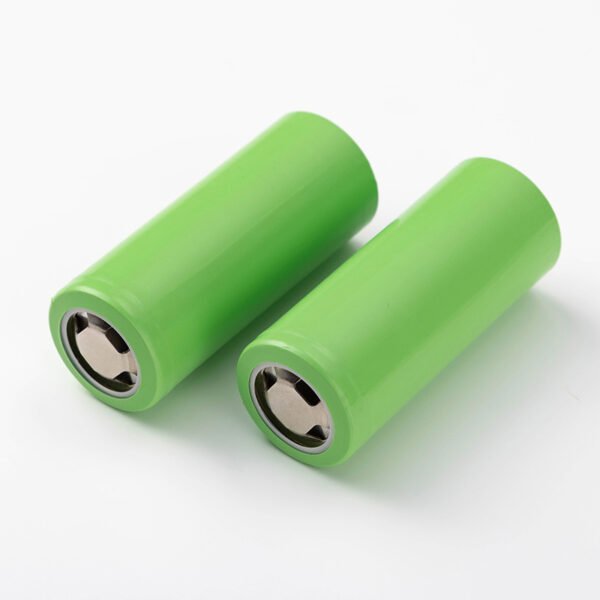
EU RoHS 3 Compliant Li-MnO₂ Battery for Consumer Market
The global consumer electronics landscape is undergoing a significant regulatory transformation in 2026, with the European Union’s RoHS 3 directive setting new benchmarks for environmental compliance. For B2B buyers, distributors, and manufacturers sourcing lithium manganese dioxide (Li-MnO₂) primary batteries, understanding these compliance requirements is no longer optional—it’s a critical business imperative. This article examines the technical specifications, regulatory landscape, and market implications of EU RoHS 3 compliant Li-MnO₂ batteries for the consumer market.
Understanding EU RoHS 3 Directive: 2025-2026 Updates
The RoHS (Restriction of Hazardous Substances) Directive 2011/65/EU, commonly referred to as RoHS 3, restricts ten hazardous substances in electrical and electronic equipment. Recent amendments in late 2025 have introduced stricter enforcement mechanisms and updated exemption clauses that directly impact battery manufacturers and suppliers.
Key regulatory changes effective December 2025 include:
- Enhanced ECHA oversight: The European Chemicals Agency (ECHA) now assumes full responsibility for scientific and technical assessments of hazardous substances in electronic equipment, implementing the “One Substance, One Assessment” regulatory framework.
- Stricter lead exemption controls: New directives (EU) 2025/2363, 2025/2364, and 2025/1802 have revised exemption clauses for lead in steel alloys, aluminum alloys, copper alloys, high-melting-temperature solders, and glass/ceramic components. Notably, exemptions no longer apply to consumer-accessible products that children may place in their mouths.
- Expanded substance restrictions: Beyond the original six substances (Pb, Hg, Cd, Cr⁶⁺, PBB, PBDE), RoHS 3 now includes four phthalates (DEHP, BBP, DBP, DIBP), each limited to 0.1% by weight in homogeneous materials.
For Li-MnO₂ battery suppliers targeting European markets, compliance documentation must demonstrate adherence to all ten restricted substances with valid test reports from accredited laboratories.
Li-MnO₂ Battery Technology: Technical Fundamentals
Lithium manganese dioxide batteries represent one of the most mature primary lithium battery technologies, offering distinct advantages for consumer applications:
Electrochemical Characteristics:
- Nominal Voltage: 3.0V (open-circuit voltage approximately 3.3V)
- Cathode Material: Manganese dioxide (MnO₂) with heat-treated crystalline structure
- Anode Material: Lithium metal
- Electrolyte: Organic solvent with lithium salt (typically LiClO₄ or LiCF₃SO₃)
- Operating Temperature Range: -20°C to +85°C (extended range variants available)
Discharge Mechanism:
The Li-MnO₂ system operates through lithium ion intercalation into the MnO₂ cathode structure. During discharge, lithium atoms oxidize at the anode, releasing electrons that flow through the external circuit while Li⁺ ions migrate through the electrolyte to the cathode, where they insert into the manganese dioxide lattice structure.
Key Performance Advantages:
- High Energy Density: 280-350 Wh/kg, suitable for compact consumer devices
- Low Self-Discharge: Less than 1% per year at room temperature, enabling 10+ year shelf life
- Stable Voltage Profile: Flat discharge curve maintains consistent performance throughout battery life
- Wide Temperature Performance: Reliable operation in extreme environmental conditions
Consumer Market Applications and Compliance Requirements
Li-MnO₂ batteries power numerous consumer devices across multiple categories:
| Application Category | Typical Battery Formats | Compliance Considerations |
|---|---|---|
| Medical Devices | CR2032, CR2450, CR2477 | Enhanced documentation, traceability |
| Smart Home Sensors | CR2032, CR2025 | RoHS 3 + REACH compliance |
| Automotive Key Fobs | CR2032, CR2016 | End-of-life recycling requirements |
| Fitness Trackers | CR2032, Custom formats | Conflict minerals disclosure |
| IoT Devices | Various coin cells | WEEE registration mandatory |
Regional Compliance Variations:
- European Union: RoHS 3 + REACH + Battery Directive 2006/66/EC + new EU Battery Regulation 2023/1542
- United States: State-specific regulations (California Proposition 65), UN 38.3 transport requirements
- United Kingdom: UK RoHS (post-Brexit equivalent)
- Asia-Pacific: Varying national standards (China RoHS, Japan J-MOSS)
B2B purchasers must verify that suppliers maintain current compliance certificates valid for their target markets. The RAPEX system reported a 37% year-over-year increase in non-compliant product notifications in 2025, with 68% of failures attributed to misused exemption clauses.
CNS BATTERY: Your Compliant Li-MnO₂ Battery Partner
For businesses seeking reliable, fully compliant Li-MnO₂ battery solutions, CNS BATTERY delivers comprehensive primary battery products engineered for global market access.
Product Portfolio Advantages:
- Full RoHS 3 Compliance: All Li-MnO₂ battery models meet current EU directive requirements with valid third-party test documentation
- Extended Temperature Variants: Specialized formulations for automotive, industrial, and outdoor consumer applications
- Custom Configuration Support: Tailored specifications for OEM requirements including capacity, dimensions, and terminal configurations
- Traceability Systems: Complete batch tracking from raw materials to finished products, supporting audit requirements
Geo-Optimized Supply Chain:
CNS BATTERY maintains strategic distribution partnerships across North America, European Union, United Kingdom, and Asia-Pacific regions, ensuring rapid delivery and localized compliance support. Our technical team provides region-specific regulatory guidance, helping customers navigate complex multi-market requirements efficiently.
Quality Certifications:
- ISO 9001:2015 Quality Management
- IEC 60086-4 Safety Standards
- UN 38.3 Transport Certification
- RoHS 3 Test Reports (SGS, TÜV, Intertek accredited)
For detailed product specifications and compliance documentation, visit our primary battery product page. Our technical sales team is ready to support your specific application requirements with customized solutions.
Conclusion: Strategic Compliance as Competitive Advantage
In 2026’s regulatory environment, RoHS 3 compliance transcends mere market access—it represents a competitive differentiator for B2B battery suppliers. Companies partnering with compliant manufacturers like CNS BATTERY gain reduced risk exposure, streamlined market entry, and enhanced brand reputation among environmentally conscious consumers.
As the EU continues refining its chemical management framework through ECHA oversight, maintaining current compliance documentation becomes increasingly critical. Businesses should establish ongoing relationships with suppliers who demonstrate proactive regulatory monitoring and transparent compliance practices.
For inquiries regarding RoHS 3 compliant Li-MnO₂ battery solutions, technical specifications, or regional compliance requirements, contact CNS BATTERY for expert consultation and customized quotations.
Target Markets: European Union, United States, United Kingdom, Germany, France, Netherlands, Poland, Italy, Spain, Canada, Australia
Keywords: EU RoHS 3 compliant battery, Li-MnO2 primary battery, lithium manganese dioxide battery supplier, consumer electronics battery, RoHS directive 2011/65/EU, primary lithium battery manufacturer, ECHA compliance, B2B battery solutions
